



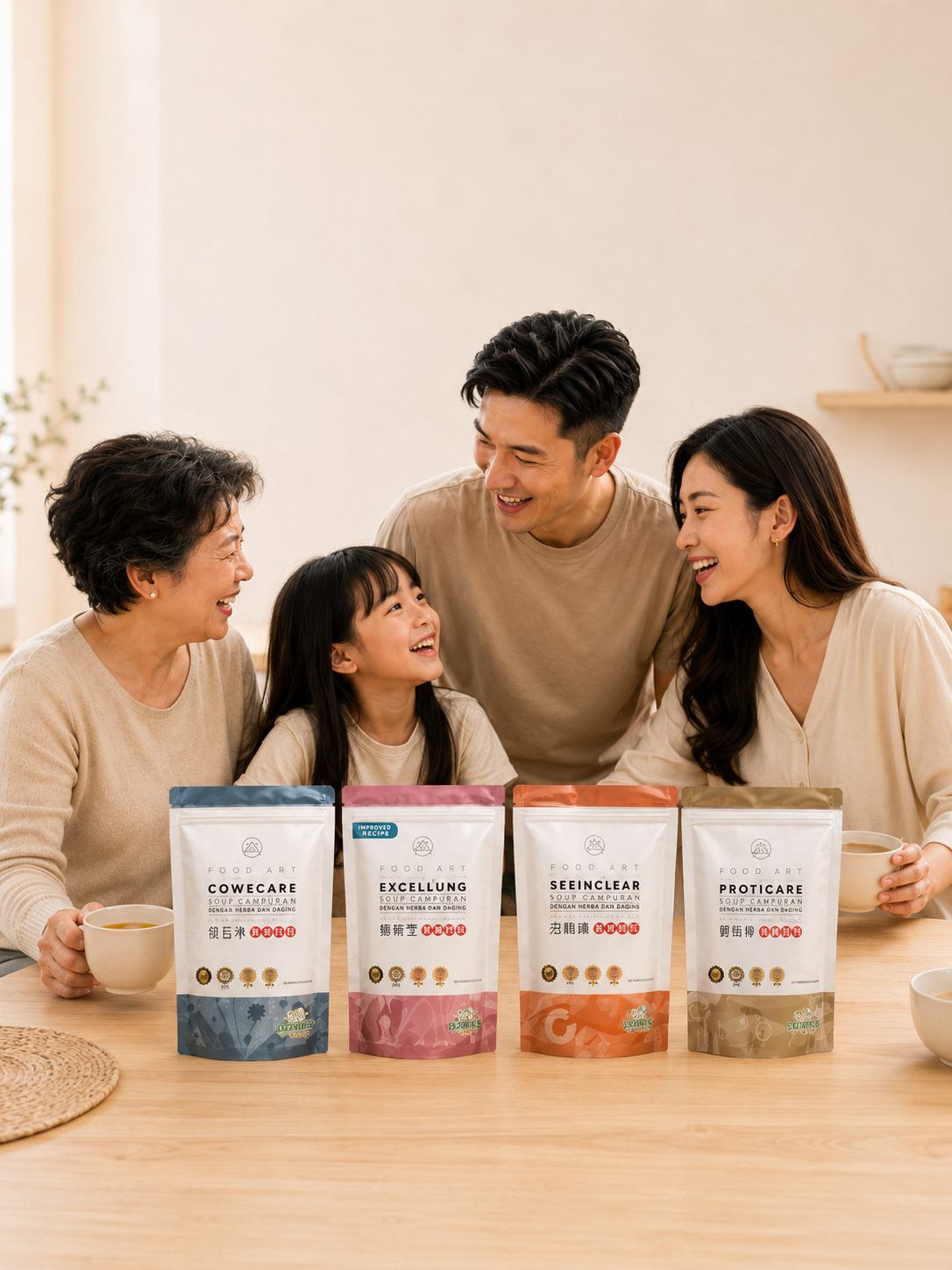



Ginseng and its relatives are among the most well-known herbs in Chinese medicine, but also the most misunderstood. They may look similar, but their effects are worlds apart.
Use the right one and you'll feel the difference. Use the wrong one and you might make things worse. Here's a clear breakdown of five commonly confused herbs so you can choose with confidence.
The 5 Herbs at a Glance
|
Herb |
Key Benefit |
Best For |
|
Codonopsis (Dang Shen)
|
Gentle Qi tonic, supports digestion |
Daily wellness, mild Qi deficiency |
|
Panax Ginseng (Ren Shen)
|
Powerful Qi replenishment |
Serious illness recovery, acute exhaustion |
|
Ginseng (Xi Yang Shen)
|
Qi + Yin tonic, clears heat |
Late nights, Yin-deficient fatigue |
|
Glehnia Root (Sha Shen)
|
Nourishes Yin, moistens lungs & stomach |
Dry cough, parched throat, dry constitution |
|
Red Sage Root (Dan Shen)
|
Activates blood, relieves pain |
Blood stasis, cardiovascular wellness |


A Closer Look at Each Herb
Codonopsis — The Gentle, Everyday Tonic A mild, steady Qi boost without overheating the body — often used as a more accessible alternative to Panax Ginseng for lighter deficiencies. Great for poor appetite, loose stools, frequent colds, or general low energy.
Panax Ginseng — The Heavy Hitter for When It Really Counts The "King of Herbs" delivers the most powerful Qi replenishment in this family. Used for post-illness recovery, extreme exhaustion, and chronic depletion. Because of its potency, it's not for casual daily use — those with heat conditions or high blood pressure should consult a TCM practitioner first.
Ginseng — The Cool-Headed Option for the Sleep-Deprived Tonifies Qi and nourishes Yin without generating heat — ideal for the modern "wired-but-tired" pattern of Yin-deficient fatigue, marked by exhaustion alongside dry mouth and restlessness. Especially useful in hot months or for heavy mental work. Those with cold, weak digestion should use it cautiously.
Glehnia Root — The Moisturising Herb for Dry Conditions Not primarily a Qi tonic — its strength is nourishing Yin and relieving dryness in the lungs and stomach. Reach for this one when dealing with a dry cough, itchy throat, or a burning feeling in the stomach, especially in dry or autumn conditions.
Red Sage Root — The Outlier That Moves, Not Tonifies Plays a completely different role: rather than building Qi or Yin, it activates blood circulation and relieves pain. Practitioners say "one dose of Red Sage Root equals four blood-nourishing herbs combined." Widely used for cardiovascular support and suitable for those with chest tightness, period pain with clots, or signs of blood stasis.
TCM is about matching the remedy to the individual. If your health picture is more complex, a consultation with a qualified TCM practitioner is always the better route.
Skip the Guesswork: Ready-to-Brew Herbal Soup Sachets
Sourcing, identifying, and combining herbs correctly takes time, knowledge, and a lot of trial and error. We've done that work for you across four thoughtfully formulated products:
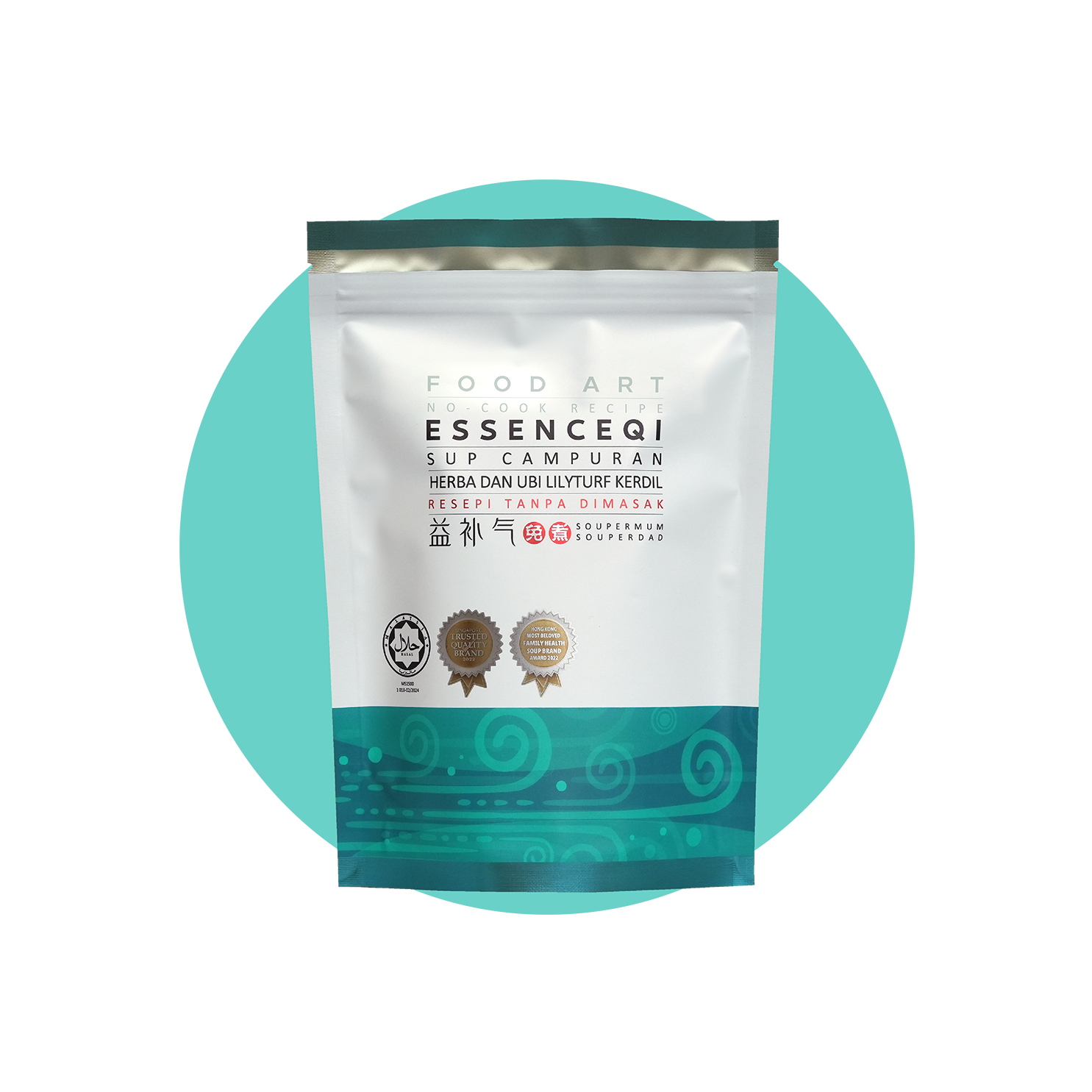
Essenceqi (益補氣) — Built on Codonopsis and Astragalus for Qi support, with White Atractylodes and Chinese Yam for digestion. For daily fatigue, poor appetite, and low immunity — gentle enough for consistent, everyday use.
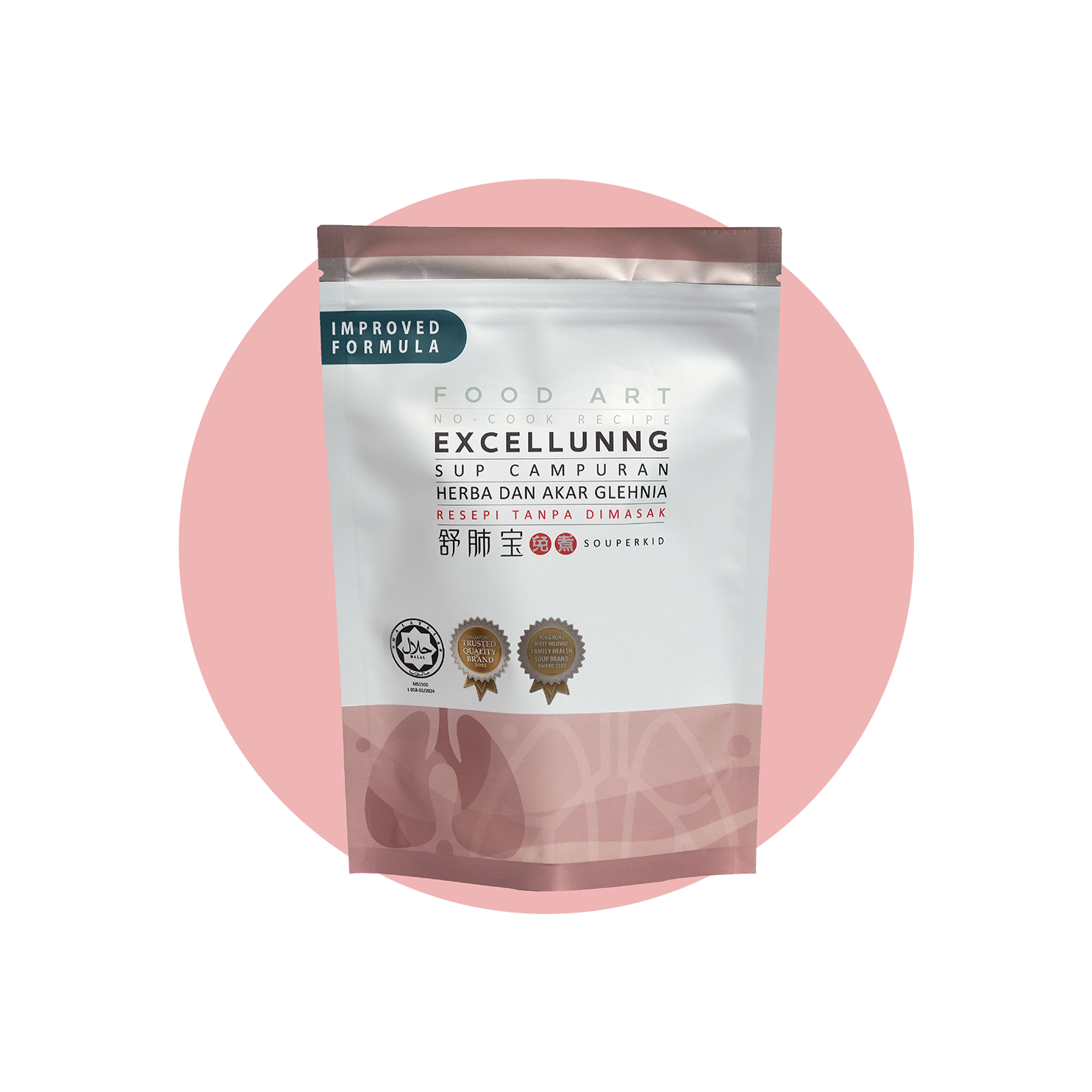
Excellunng (舒肺寶) — Led by Glehnia Root with Monk Fruit, Mulberry Bark, and Longli Leaf. For dry coughs, itchy throats, and hoarseness — formulated for dry environments and respiratory discomfort.
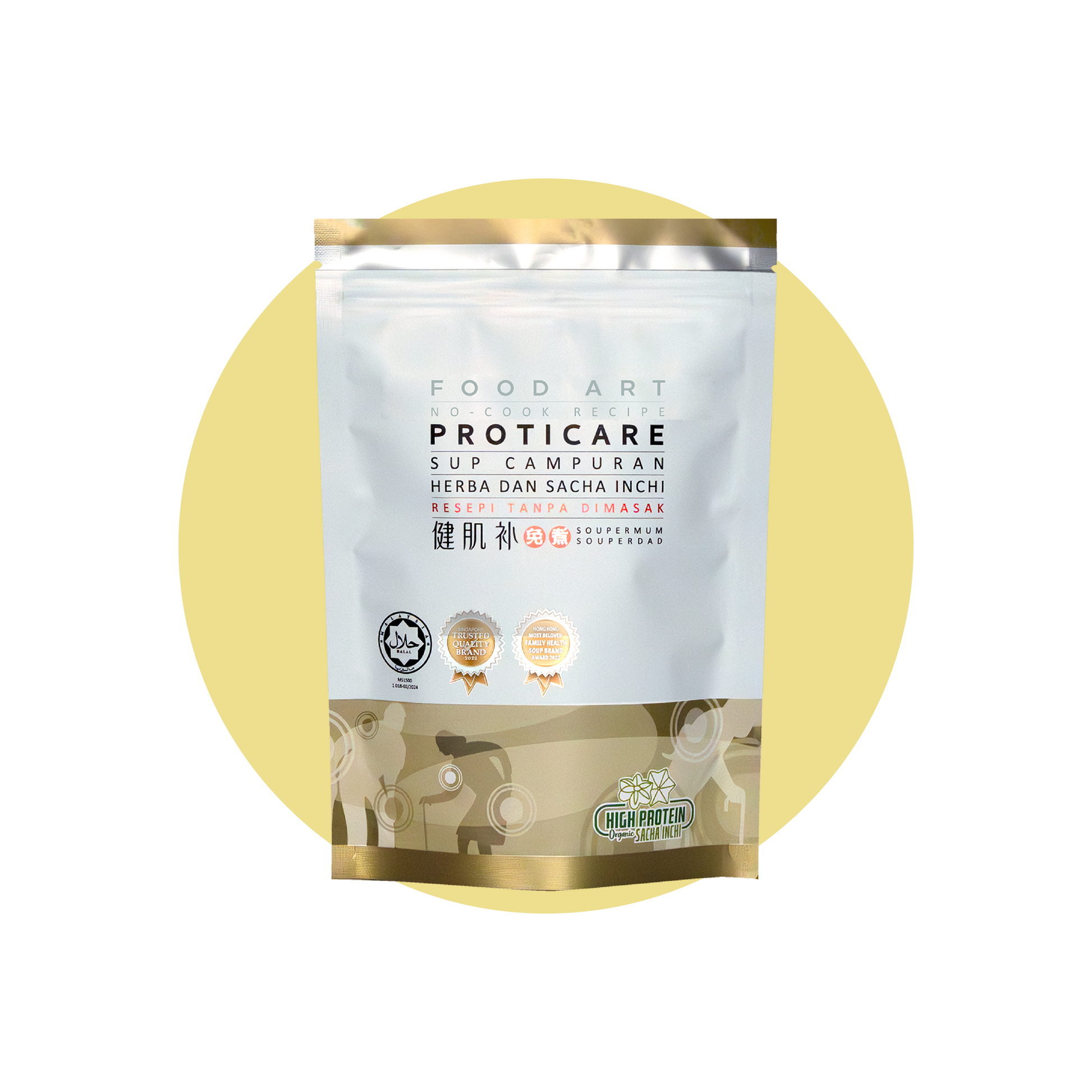
Proticare (健肌補) — Red Sage Root and Angelica Root to move blood, with Eucommia Bark, Teasel Root, and Cibot Rhizome for tendons, bones, and the liver-kidney system, plus Organic Sacha Inchi Powder. For post-workout recovery, physical strain, and age-related joint and lower back stiffness.
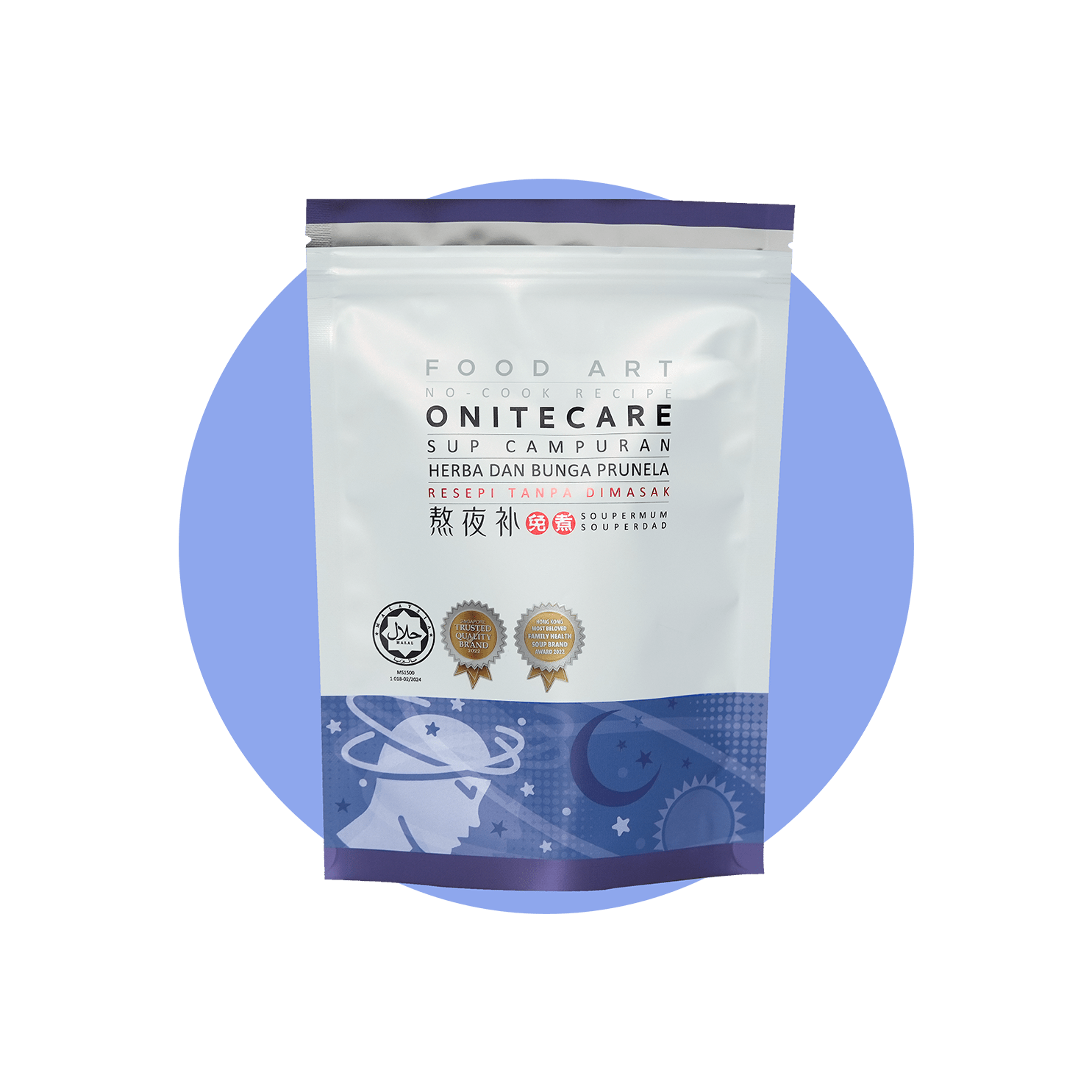
Onitecare (熬夜補) — Anchored by Ginseng with Solomon's Seal, Ophiopogon, and Dried Pear to nourish Yin, and Selfheal Spike and Chicken Bone Grass to clear deficient heat. For late nights, eye strain, and mental overload.
No herbal shop visits, no measuring, no guesswork. Just steep, sip, and let the herbs do their work.







What is best for people who smoke and drink everyday. And having high cholesterol.