




Radix Puerariae
The mighty kudzu root — Radix Puerariae releases the Exterior, raises Spleen Yang, relieves fever and stiffness, and nourishes body fluids with cooling, uplifting strength.

What Is Radix Puerariae?
Radix Puerariae (葛根, Gé Gēn) is the dried root of Pueraria lobata, the kudzu vine — one of the most vigorous climbing plants in Asia and now famous worldwide as an invasive species in North America. In traditional Chinese medicine, its massive starchy root is sweet, acrid, and cool, entering the Spleen, Stomach, and Lung channels. It is a primary surface-releasing herb for wind-cold and wind-heat patterns with prominent neck and upper back stiffness, and simultaneously raises Spleen-Stomach Yang Qi, generates body fluids, relieves thirst, and encourages the expression of rashes in early-stage measles.
Gé Gēn's dual role as an exterior-releasing and interior-nourishing herb makes it uniquely versatile. The formula Ge Gen Tang is one of the most commonly used classical prescriptions for febrile illness with neck stiffness, and Ge Gen Huang Lian Huang Qin Tang addresses diarrhoea from damp-heat with concurrent exterior patterns. Modern research has brought renewed attention to puerarin and daidzein — isoflavones abundant in kudzu root — which demonstrate cardiovascular-protective, neuroprotective, anti-alcoholic, phytoestrogenic, and blood-glucose-lowering activities. These findings have made Gé Gēn one of the most commercially researched TCM herbs globally.
History & Origin
Kudzu root has sustained Asian populations as a food and medicine for thousands of years, transitioning from starchy famine food and cooling summer beverage to a cornerstone of classical TCM formulation and now a globally significant source of bioactive isoflavones.
Traditional Uses
Febrile Illness with Neck Stiffness
The primary herb for wind-cold or wind-heat exterior patterns presenting with fever, chills, and pronounced stiffness and pain in the neck and upper back.
Hypertension & Cardiovascular Health
Raises clear Yang and dilates blood vessels; puerarin has been clinically studied for improving cerebral and coronary circulation and supporting healthy blood pressure.
Diarrhoea & Dysentery
Raises Spleen-Stomach Yang Qi to consolidate the intestines and relieve diarrhoea; combined with heat-clearing herbs for damp-heat diarrhoea in Ge Gen Huang Lian Huang Qin Tang.
Thirst & Diabetes (Xiao Ke)
Generates body fluids and relieves thirst in febrile disease and in Xiao Ke (wasting-thirst) syndromes; daidzein shows blood-glucose-lowering activity in modern research.
Measles Rash Expression
Vents the Exterior and promotes the outward expression of measles or other skin eruptions that are slow to appear, reducing the risk of internal complications.
Alcohol Intoxication & Hangover
Classical application for reducing alcohol toxicity and moderating cravings; modern research on kudzu isoflavones has validated its anti-alcoholic effects in clinical trials.
Health Benefits
-
Releases the ExteriorDisperses wind-cold and wind-heat from the Tai Yang and Yang Ming channels to relieve fever, chills, and neck and upper back stiffness.
-
Generates Fluids & Relieves ThirstNourishes and restores body fluids to relieve thirst in febrile illness, summer heat conditions, and early-stage wasting-thirst syndromes.
-
Raises Spleen-Stomach YangLifts clear Yang to firm the intestines, relieve diarrhoea, and revitalise digestive function weakened by dampness or sinking Qi.
-
Cardiovascular SupportPuerarin dilates coronary and cerebral blood vessels and demonstrates blood-pressure-lowering and cardioprotective effects in modern research.
-
Moderates Alcohol EffectsKudzu isoflavones reduce alcohol craving and intoxication intensity, validated by clinical trials and consistent with its classical use for alcohol toxicity.
Soups Featuring Radix Puerariae
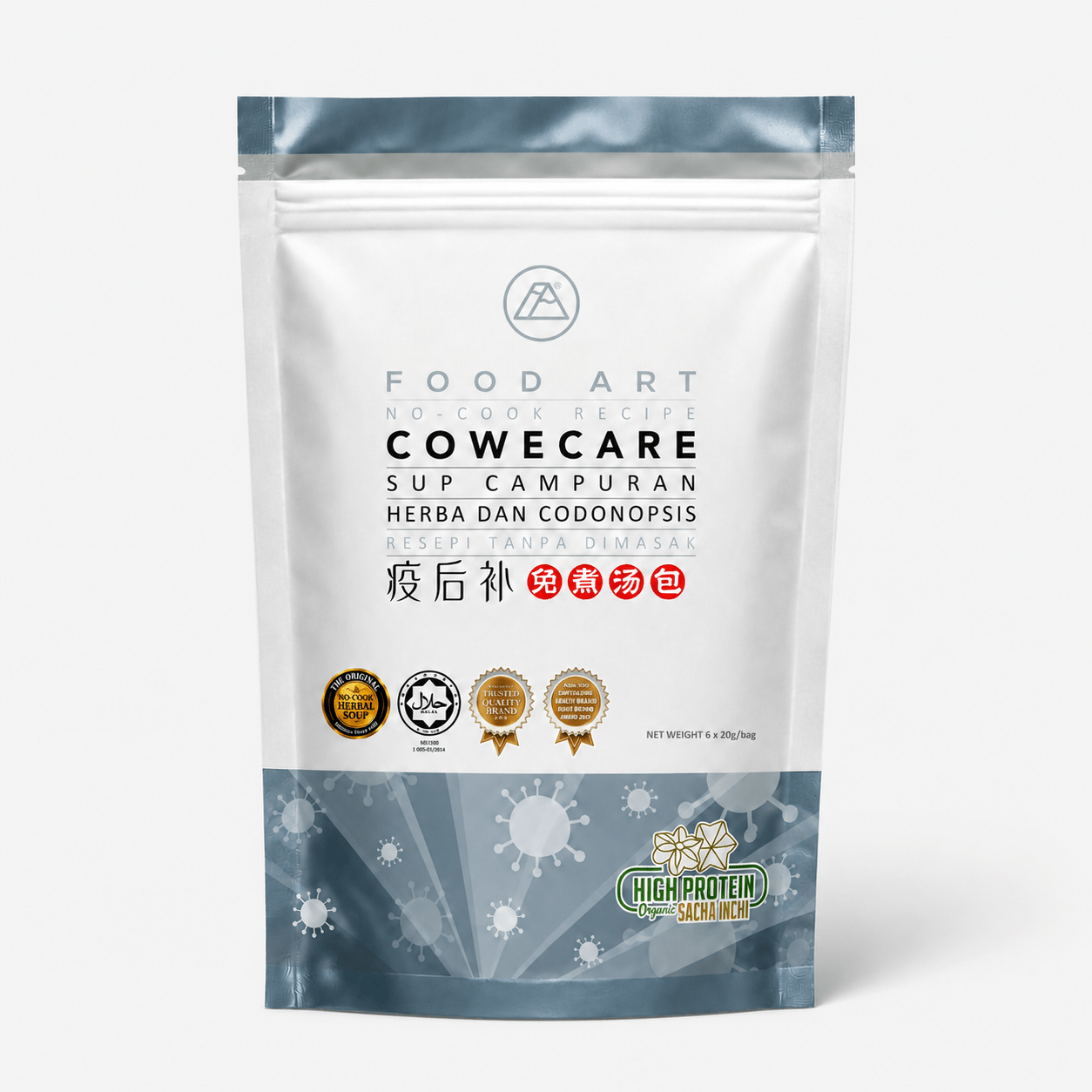
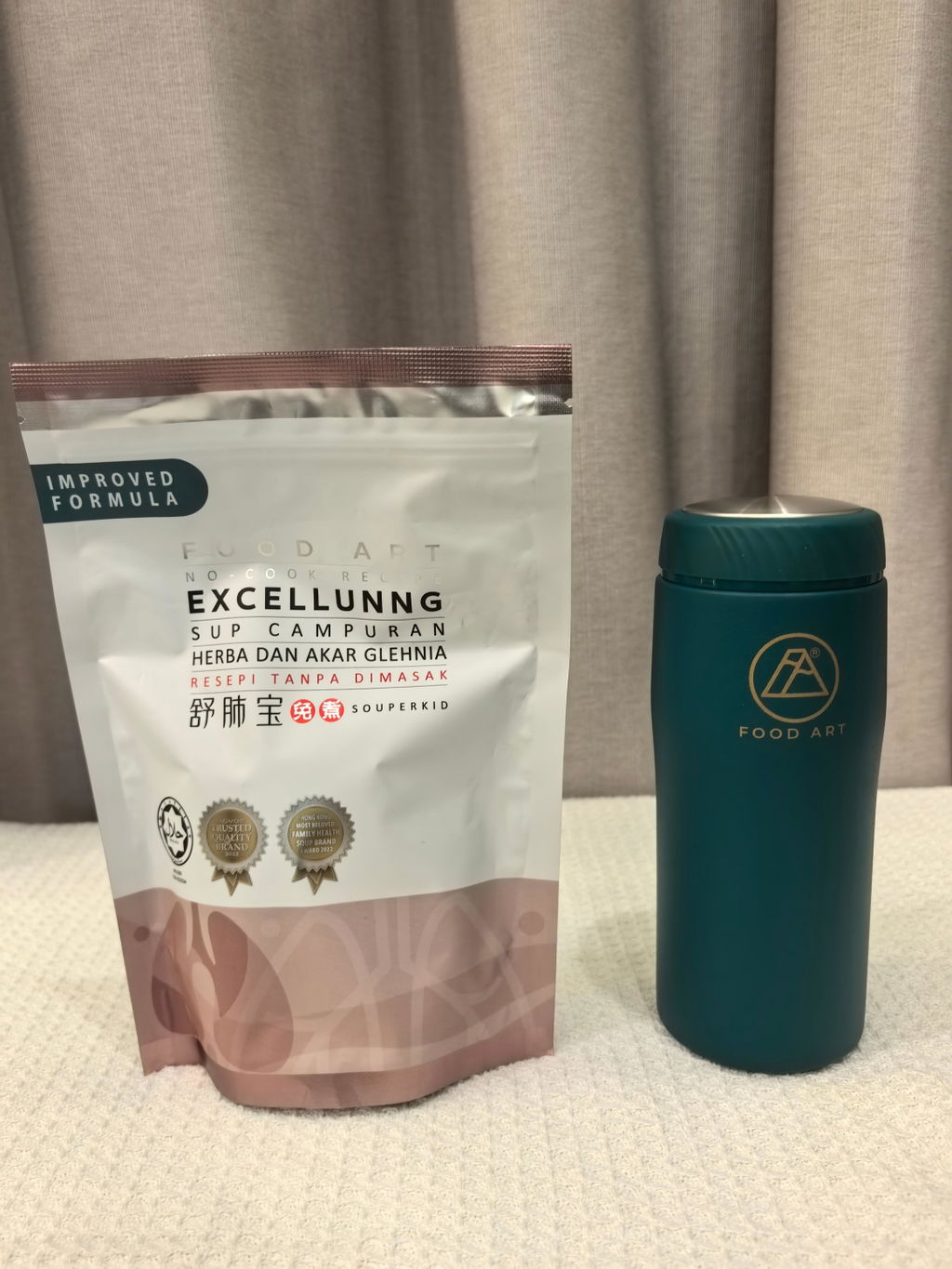
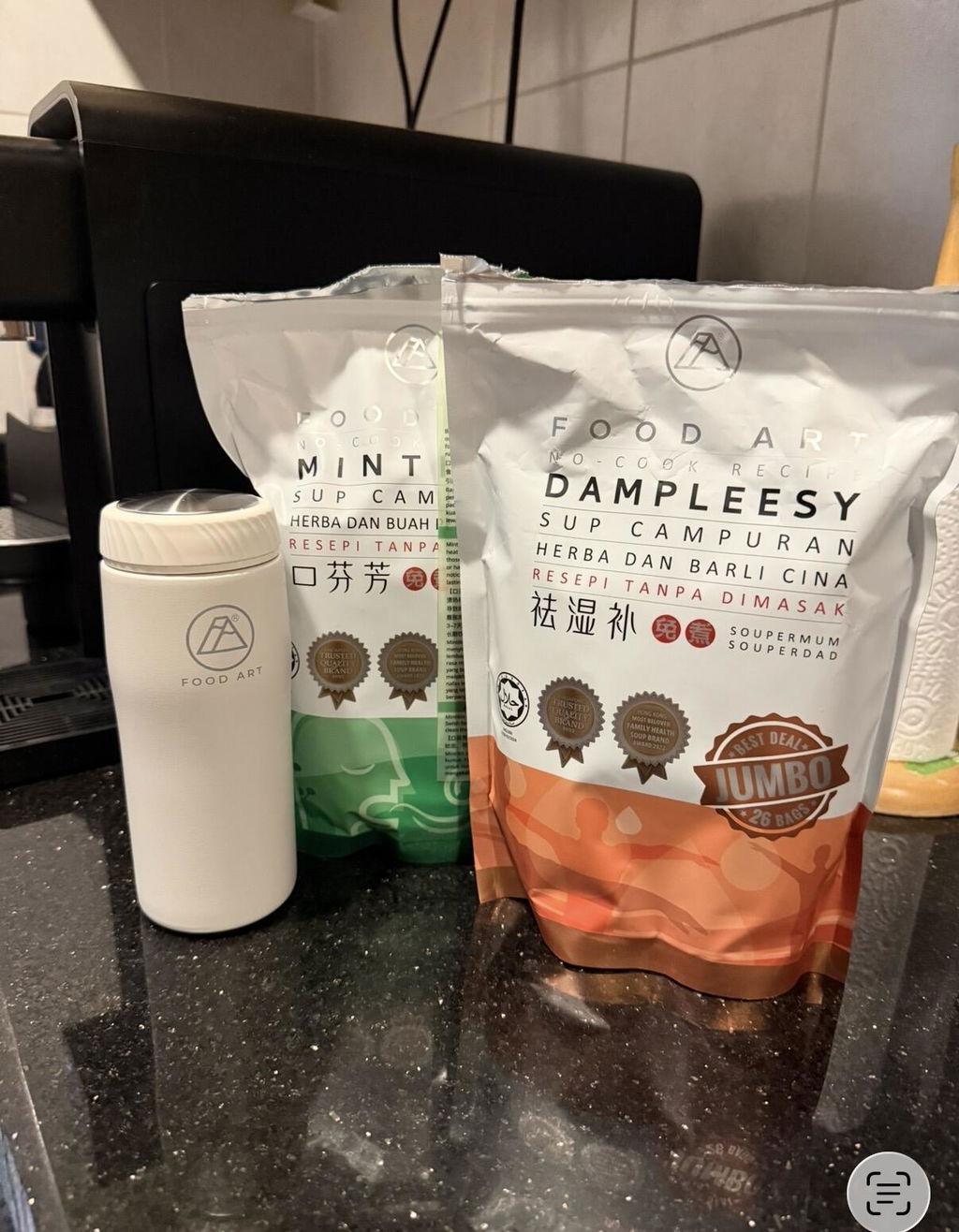
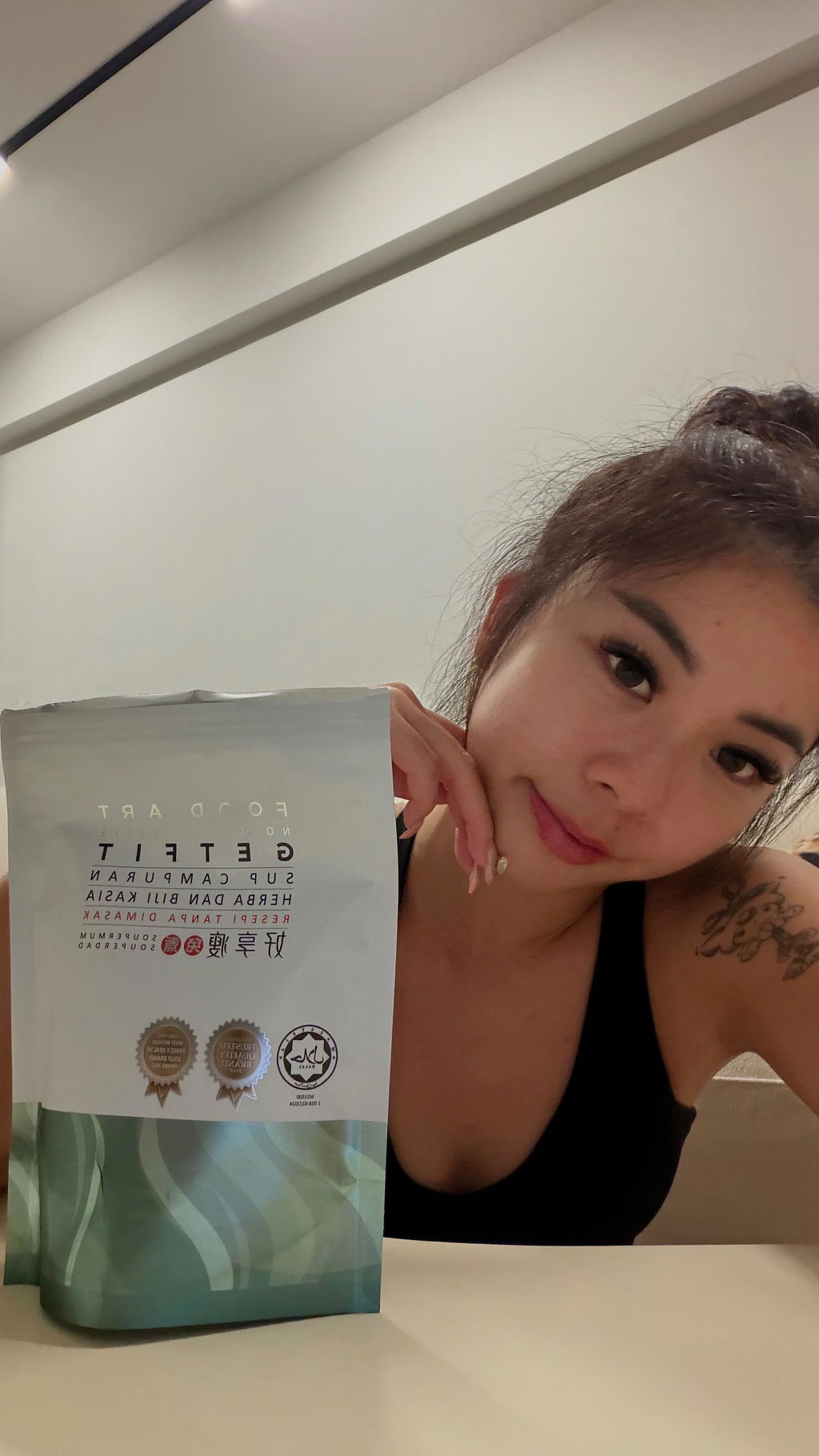
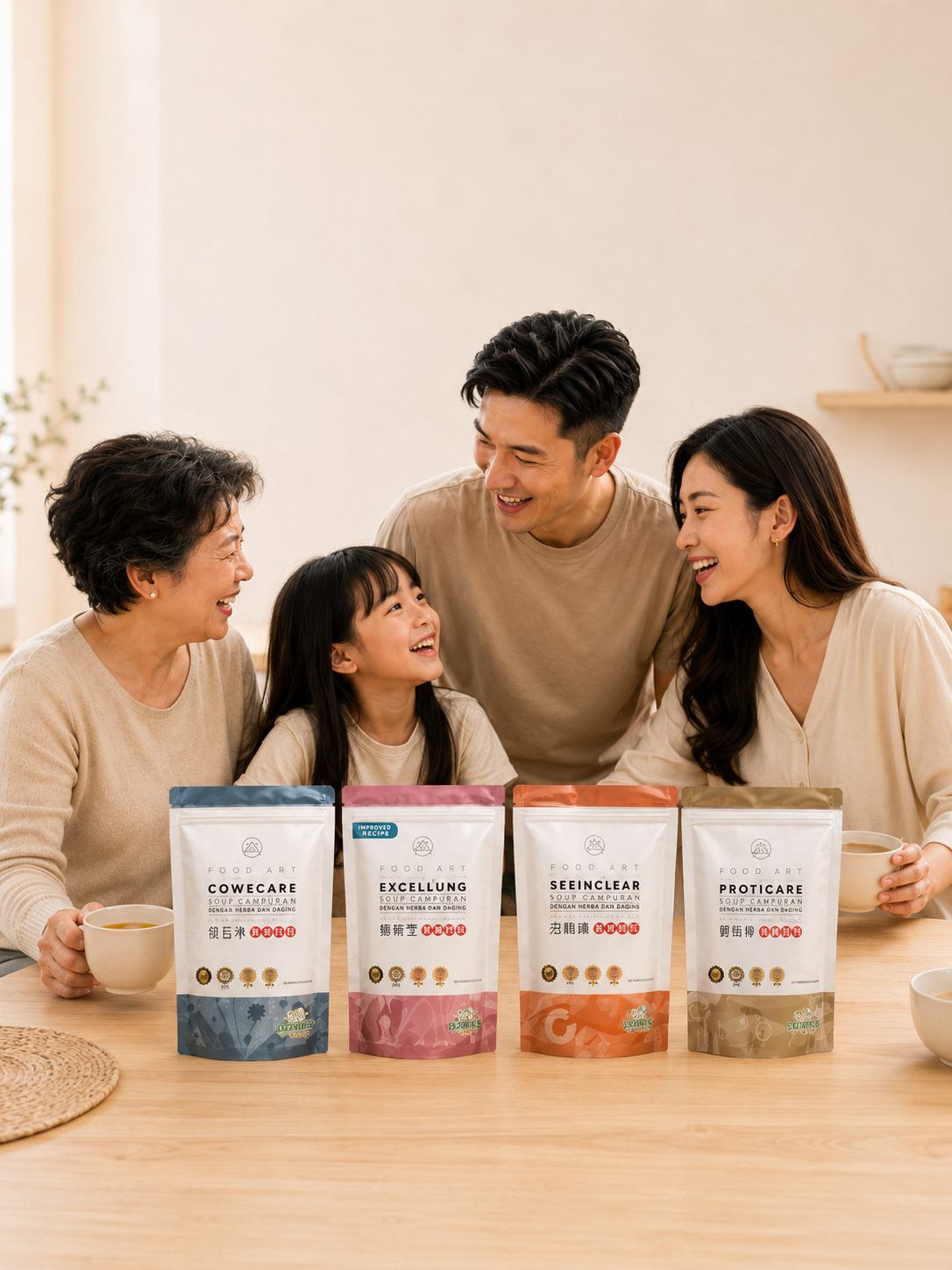
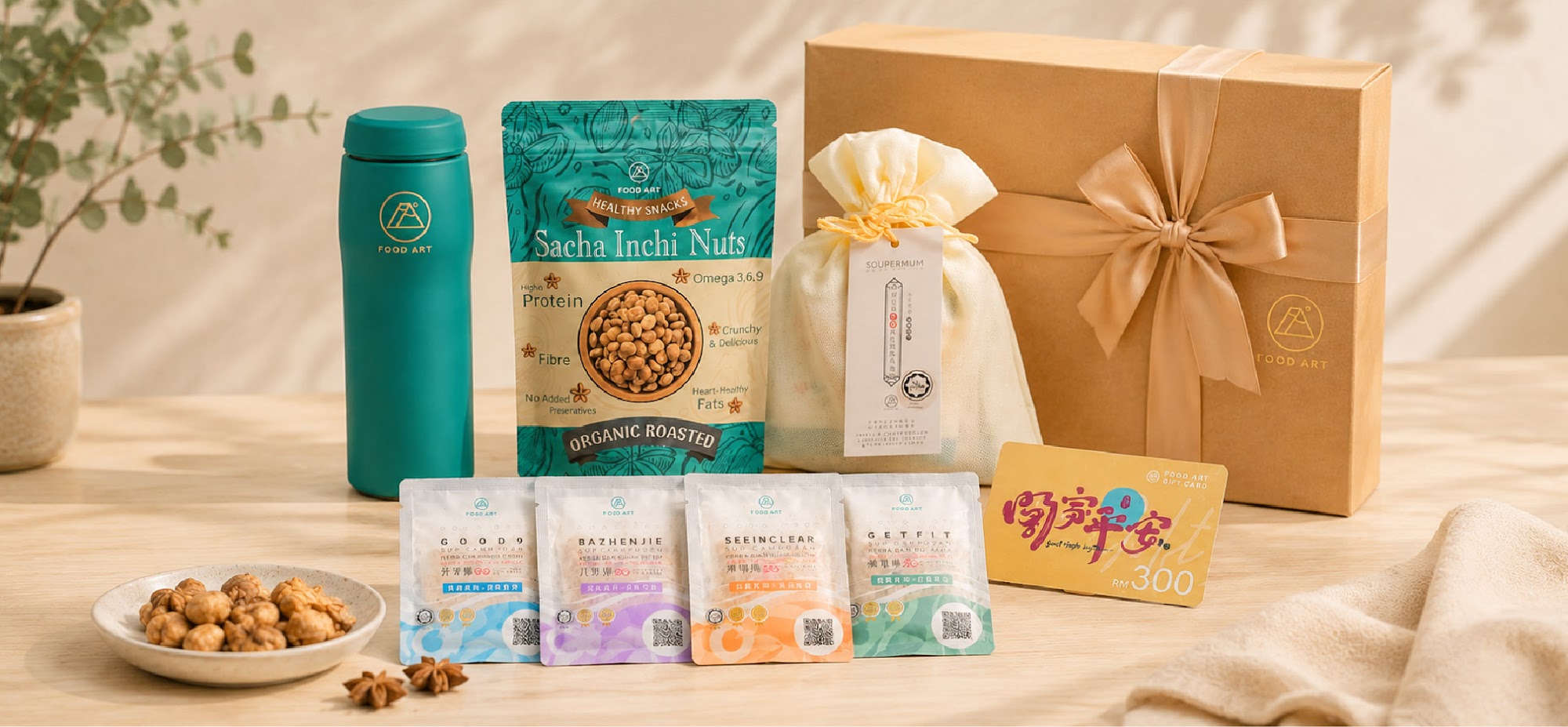
Radix Puerariae is a key ingredient in these Food Art no-cook herbal soups, thoughtfully formulated to provide its nourishing qualities in a convenient, ready-to-brew format.

The information provided on this page is for educational and informational purposes only and does not constitute medical advice. Please consult a qualified healthcare professional before using any herbal products.