





Lotus Seeds
A sacred seed of the lotus that anchors the Spirit, fortifies the Spleen, and consolidates the Kidneys with gentle, enduring strength.

What Is Lotus Seeds?
Lotus Seeds (莲子, Lián Zǐ) is harvested from the seed pods of Nelumbo nucifera, the sacred lotus plant that grows abundantly in the ponds and lakes of central and southern China. Revered across Asian cultures as a symbol of purity and spiritual attainment, the lotus offers multiple medicinal parts — root, leaf, stamen, and seed — each with distinct therapeutic properties. The seed kernel, creamy white when fresh and pale ivory when dried, has a mild, starchy sweetness with a characteristic slight bitterness from its green embryo, which is typically removed for culinary use but retained for its Heart-clearing action in certain formulas.
In Traditional Chinese Medicine, Lotus Seeds enters the Heart, Spleen, and Kidney meridians, making it one of the few herbs that simultaneously addresses all three of these foundational organ systems. It tonifies the Spleen and stops diarrhoea, augments the Kidney and secures essence, nourishes the Heart and calms the Shen. Its astringent nature allows it to consolidate and hold, making it especially valuable for patterns involving leakage — whether of essence, qi, or bodily fluids. It is a staple of tonic soups throughout Southeast Asia and features prominently in classical formulas such as the Shen Ling Bai Zhu San for digestive weakness.
History & Origin
The lotus has occupied a central place in Chinese civilisation, medicine, and philosophy for more than three thousand years. From its presence in ancient poetry and Buddhist iconography to its role as a daily food and medicine, the lotus seed embodies the Chinese ideal of nourishment that heals body and mind simultaneously.
Traditional Uses
Tonifying the Spleen
A cornerstone herb for Spleen qi deficiency with symptoms of poor appetite, loose stools, chronic diarrhoea, and fatigue; commonly used in combination with Poria and White Atractylodes.
Securing Kidney Essence
Used to address spermatorrhoea, premature ejaculation, and urinary frequency arising from Kidney instability and failure to consolidate essence.
Calming the Heart & Mind
Nourishes Heart Blood and calms the Shen, relieving insomnia, palpitations, and anxiety — particularly when paired with the bitter Lotus Embryo (Lián Xīn) to clear Heart Fire.
Stopping Abnormal Discharge
Its astringent properties help consolidate vaginal discharge (leukorrhoea) linked to Spleen deficiency with Dampness.
Health Benefits
-
Digestive StrengthTonifies the Spleen and Stomach to improve appetite, firm loose stools, and build sustained energy from food.
-
Mental CalmNourishes the Heart and quiets a restless mind, supporting restful sleep and emotional steadiness.
-
Essence ConsolidationHelps the Kidneys hold and consolidate essence, addressing patterns of leakage and constitutional depletion.
-
Astringent ProtectionStabilises body fluids and secretions, useful for diarrhoea, discharge, and frequent urination.
-
Everyday TonicSafe for regular use in soups and desserts, making it one of the most accessible and beloved tonic foods in Chinese tradition.
Soups Featuring Lotus Seeds
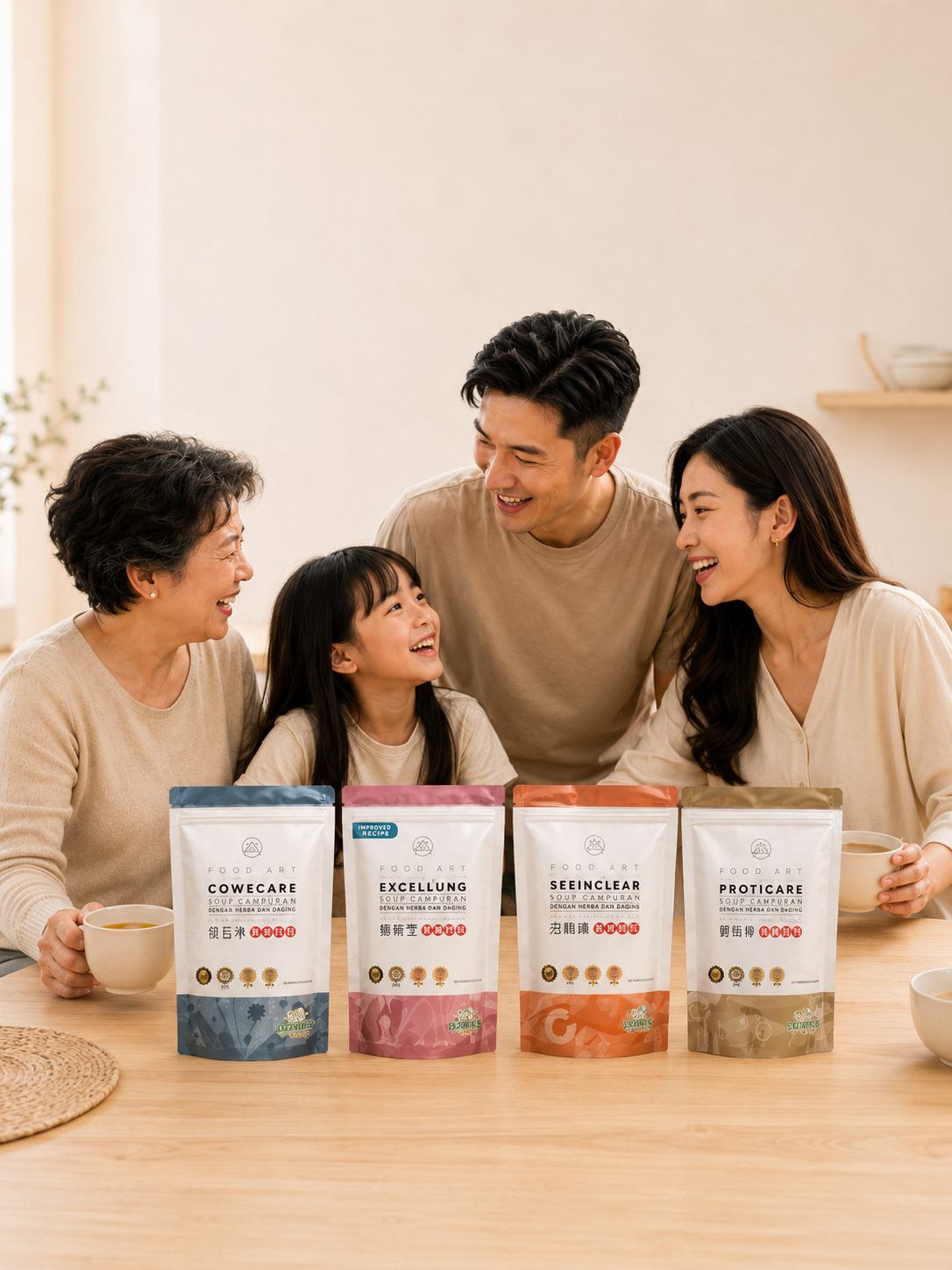
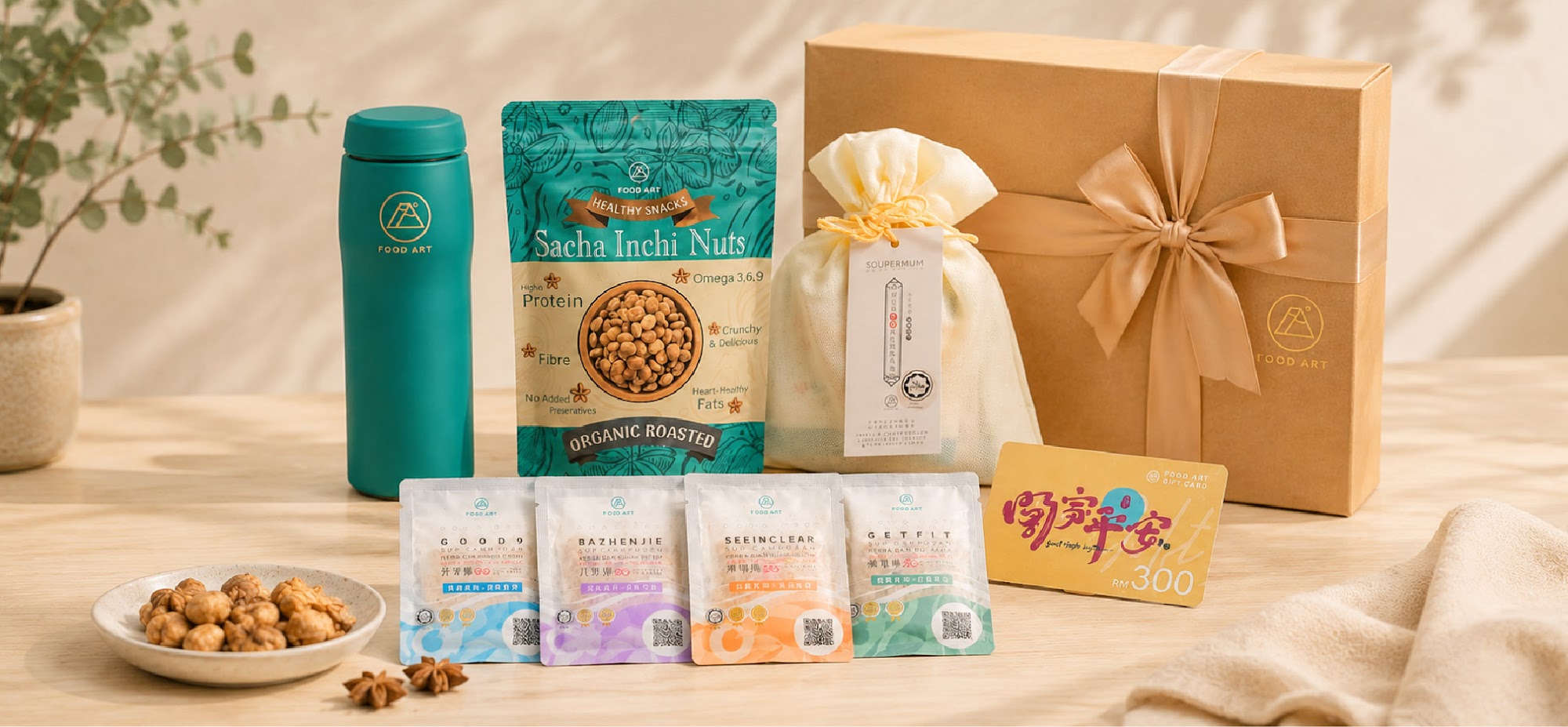
Lotus Seed is a key ingredient in these Food Art no-cook herbal soups, thoughtfully formulated to provide its nourishing qualities in a convenient, ready-to-brew format.


The information provided on this page is for educational and informational purposes only and does not constitute medical advice. Please consult a qualified healthcare professional before using any herbal products.