




Rice Bean
Often confused with Red Beans, Rice Bean (红豆) is a distinct legume treasured in Cantonese cooking for its sweeter flavour and gentle diuretic nourishment.

What Is Rice Bean?
Rice Bean (红豆, Hóng Dòu), botanically Phaseolus calcaratus (also classified by some authorities as Vigna umbellata), is a legume closely related to but distinct from the medicinal Chì Xiǎo Dòu (赤小豆). In everyday Cantonese usage the two names are frequently used interchangeably, yet in formal TCM and culinary contexts they are differentiated: Hóng Dòu tends to be larger, rounder, and has a somewhat sweeter, less astringent flavour, while Chì Xiǎo Dòu is the smaller, more elongated adzuki-type bean preferred for medicinal strength.
From a TCM perspective, Rice Bean shares many of the functional properties of Chì Xiǎo Dòu — draining dampness, reducing oedema, clearing mild heat and supporting the Heart and Small Intestine channels — though it is generally considered milder in its medicinal action and therefore more suitable as a daily food-herb than as a dedicated therapeutic intervention. It is a cornerstone of Cantonese sweet soups (tong sui), particularly the beloved red bean soup (红豆沙) made with coconut milk or palm sugar, and it features in savoury congees and festive rice dishes across East and Southeast Asia.
History & Origin
Red beans in their various forms have featured in Chinese culinary and medicinal traditions for millennia, with extensive cultivation records from the Zhou Dynasty onward. The distinction between Hóng Dòu and Chì Xiǎo Dòu has been refined progressively through classical and modern botanical scholarship.
Traditional Uses
Oedema & Water Retention
Like Chì Xiǎo Dòu, Rice Bean gently promotes urination and drains accumulated fluid, though its action is milder and better suited to long-term dietary use.
Heart Nourishment
Its sweet nature and action on the Heart channel support mild heart Qi and Blood nourishment — consumed regularly in sweet soups for emotional wellbeing.
Digestive Health
Rich in dietary fibre, Rice Bean supports gut motility, feeds beneficial gut bacteria and helps regulate bowel function as part of a balanced diet.
Festive & Ceremonial Use
Featured in red bean rice (赤豆饭), dumplings (tang yuan) filled with red bean paste, and mooncake fillings — symbolising luck, health and reunion in Chinese culture.
Protein & Nutritional Supplementation
A valuable plant-based protein source in East Asian diets, particularly in vegetarian and vegan culinary traditions across China, Japan, Korea and Southeast Asia.
Health Benefits
-
Gentle DiureticMildly promotes fluid drainage and reduces puffiness, suitable as a daily food-herb for gentle dampness management.
-
Heart & Emotional NourishmentSweet nature and Heart channel affinity make red bean soup a comforting, nourishing food for emotional balance and gentle heart support.
-
Rich in NutrientsProvides plant protein, B vitamins, iron, potassium and dietary fibre — contributing to a balanced and nourishing diet.
-
Culinary VersatilityAdaptable across sweet and savoury dishes — from classic red bean soup and mooncake fillings to congees, sticky rice and steamed cakes.
-
Cultural & Festive SignificanceDeeply embedded in Chinese festive traditions, symbolising good fortune, health and family reunion at celebrations throughout the year.
Soups Featuring Rice Bean
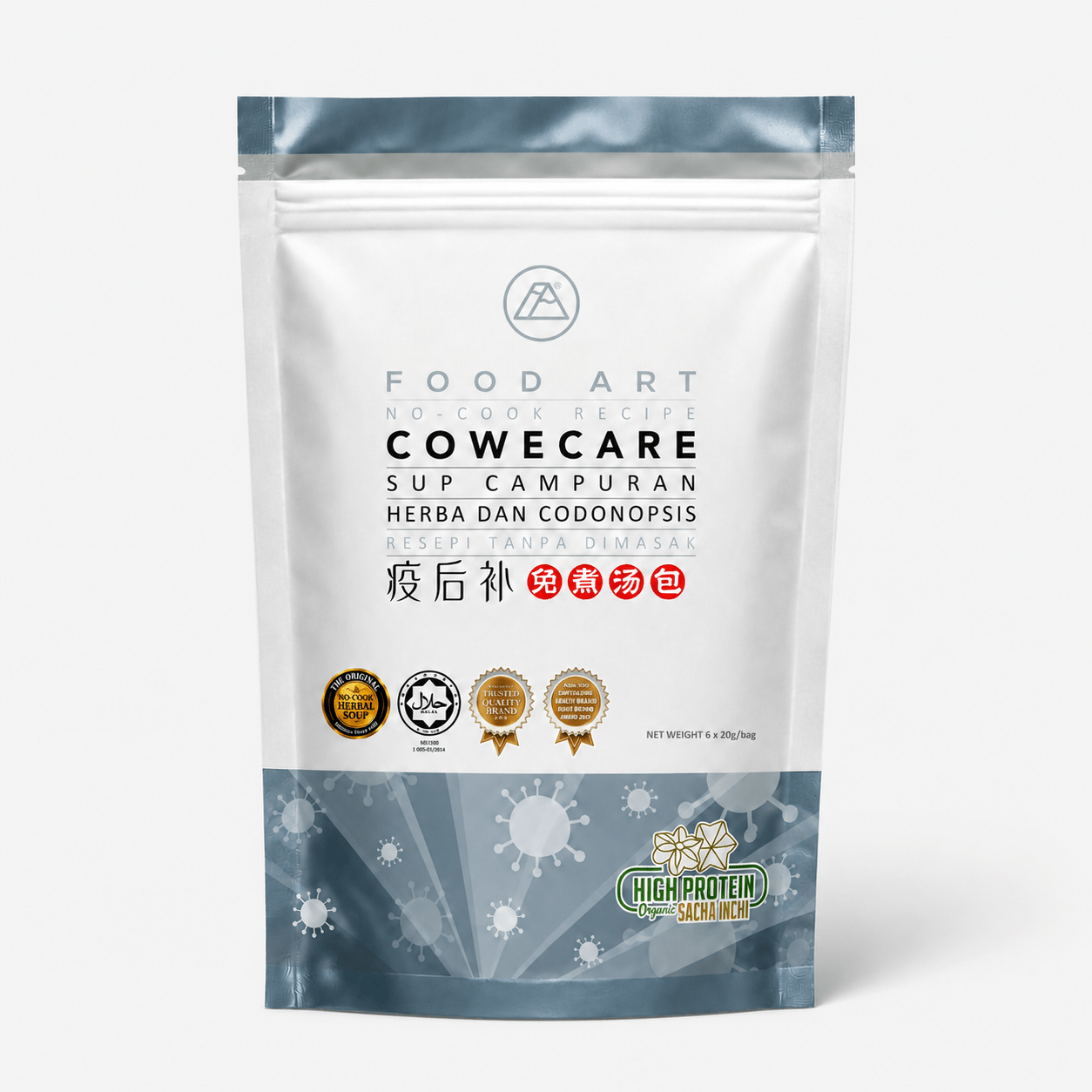
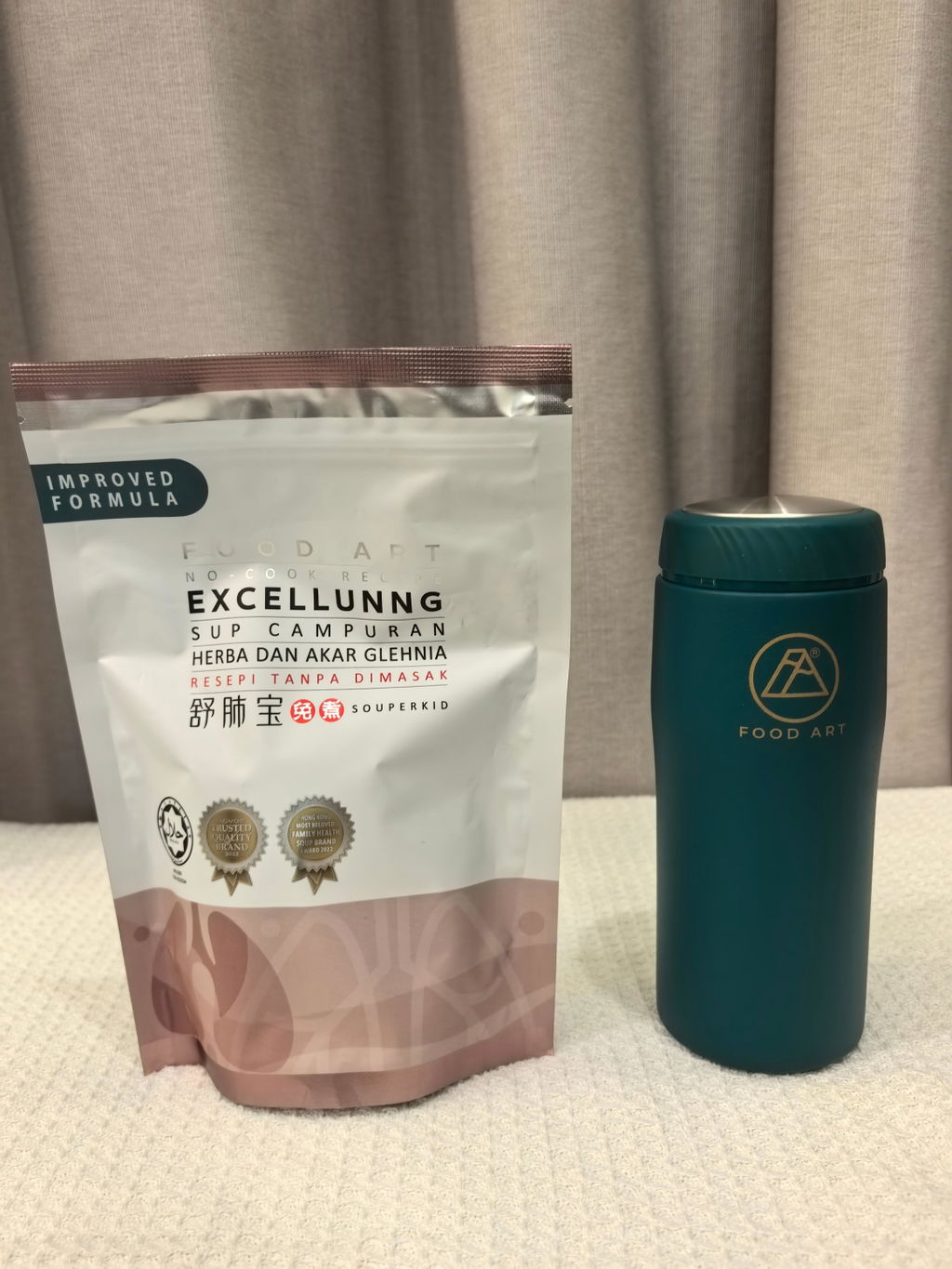
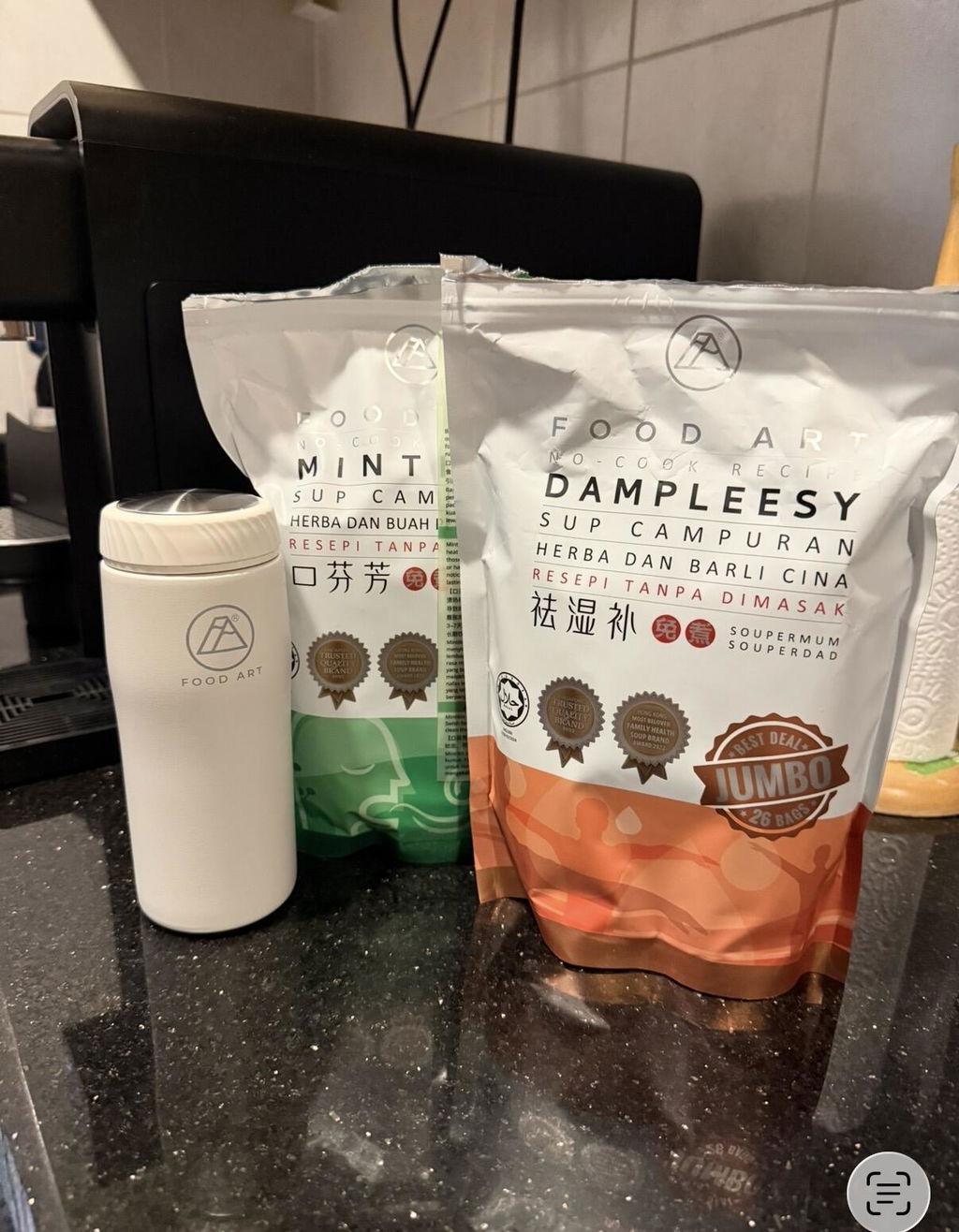
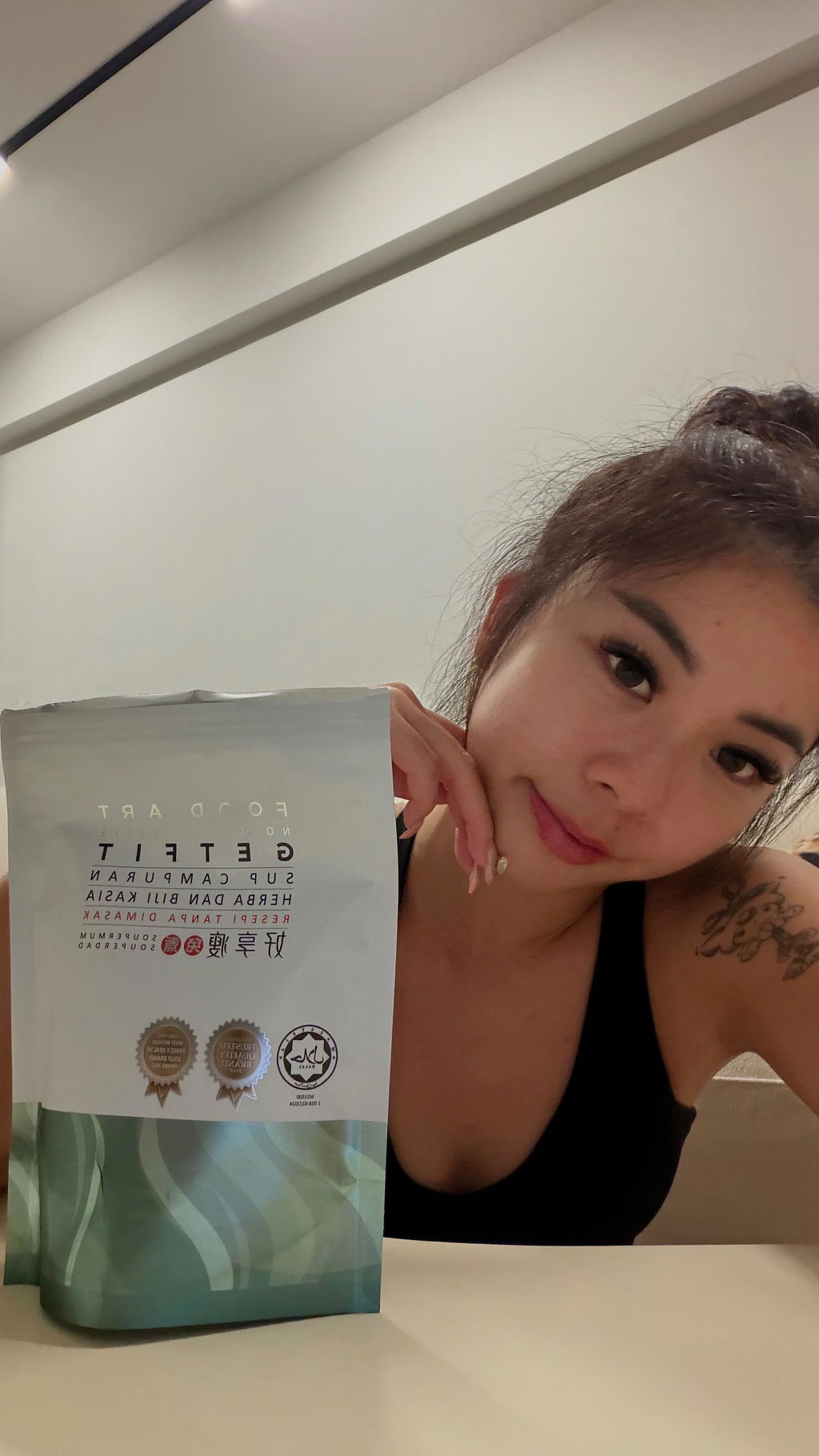
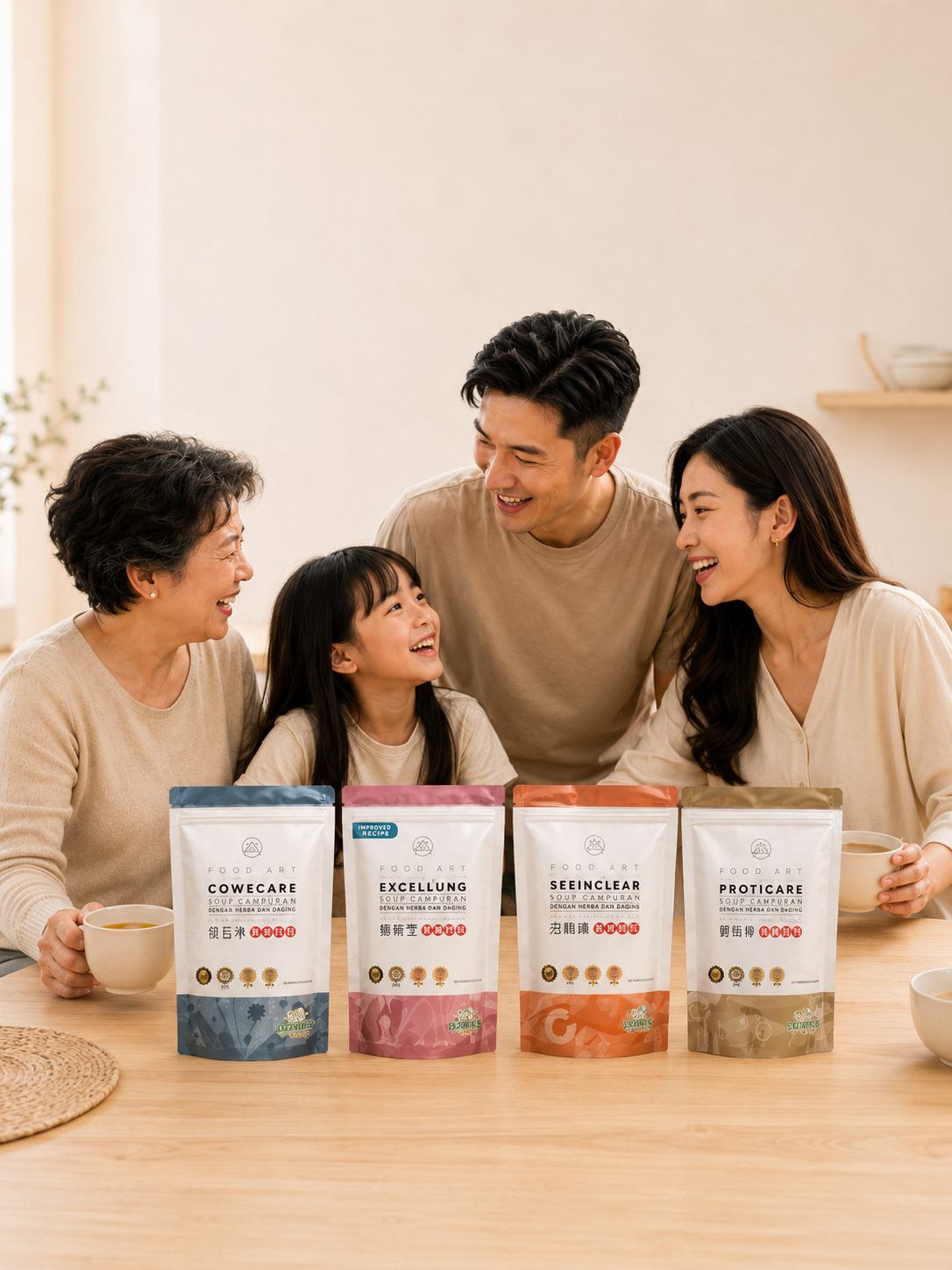
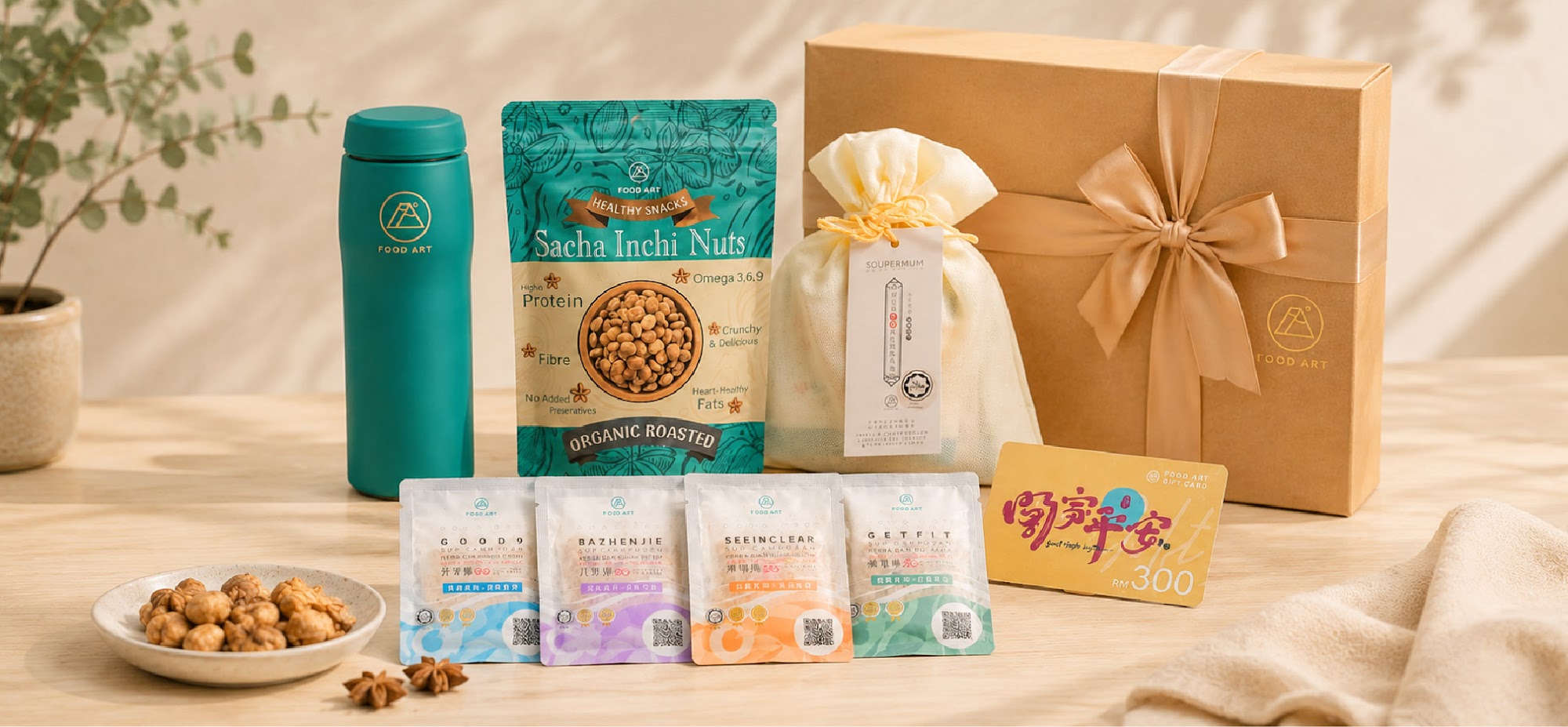
Ricebean is a key ingredient in these Food Art no-cook herbal soups, thoughtfully formulated to provide its nourishing qualities in a convenient, ready-to-brew format.


The information provided on this page is for educational and informational purposes only and does not constitute medical advice. Please consult a qualified healthcare professional before using any herbal products.