





Red Dates
China's beloved 'longevity fruit' — a warming, sweet-natured jujube that tonifies Qi, nourishes Blood and calms the spirit.

What Is Red Dates?
Red Dates (红枣, Hóng Zǎo), also known as Chinese jujube or Da Zao (大枣), are the dried or fresh fruit of Ziziphus jujuba, a small deciduous tree native to China and Central Asia. With a naturally sweet, warm character, they are one of the most universally used tonifying herbs in the entire Chinese materia medica and are classified among the premier Qi-tonifying substances. They act on the Spleen, Stomach and Heart channels, making them relevant to digestive strength, Blood production and emotional calm.
In TCM, Red Dates serve the dual role of medicine and food — they are used to tonify Middle Jiao Qi, nourish Blood, calm the mind (Shen) and moderate the properties of harsh herbs in complex formulas. As a formula moderator, Da Zao frequently appears alongside Gan Cao (liquorice) and Sheng Jiang (fresh ginger) as a harmonising trio in classical prescriptions such as Gui Zhi Tang. Nutritionally, jujubes are rich in vitamin C, polysaccharides, triterpenic acids and flavonoids, giving them antioxidant, immunomodulatory and hepatoprotective activity that is well documented in modern research.
History & Origin
Hóng Zǎo holds one of the longest continuous medicinal records of any Chinese herb, appearing in oracle bone inscriptions and bronze-age agricultural texts. It has been described as one of the 'five ancient fruits' of China alongside peach, plum, apricot and chestnut.
Traditional Uses
Qi & Spleen Tonification
Red Dates warm and fortify the Middle Jiao, strengthening Spleen and Stomach function to improve appetite, digestion and energy levels in cases of Spleen Qi deficiency.
Blood Nourishment
Particularly valuable for Blood deficiency patterns presenting as pallor, dizziness, fatigue and amenorrhoea — often combined with Dang Gui and Shu Di Huang.
Calming the Spirit (Shen)
Used to address emotional disturbances such as anxiety, insomnia, irritability and the pattern known as 'restless organ disorder' (Zang Zao) in women.
Formula Moderation
As a harmonising herb, Da Zao tempers the harshness of drastic purgatives and diaphoretics, protecting the Stomach Qi and moderating the overall action of complex prescriptions.
Health Benefits
-
Tonifies Qi & EnergyStrengthens Spleen and Stomach Qi to combat fatigue, low appetite and poor digestion associated with deficiency patterns.
-
Nourishes BloodSupports Blood production and distribution, addressing pallor, dizziness and menstrual irregularities linked to Blood deficiency.
-
Calms the MindSettles the Shen to reduce anxiety, insomnia and emotional volatility, particularly in Zang Zao patterns.
-
Harmonises FormulasActs as a natural moderator in herbal prescriptions, protecting the digestive system and balancing stronger herbal actions.
-
Immune & Liver SupportModern research highlights jujube polysaccharides for immunomodulatory, antioxidant and hepatoprotective activity.
Soups Featuring Red Dates
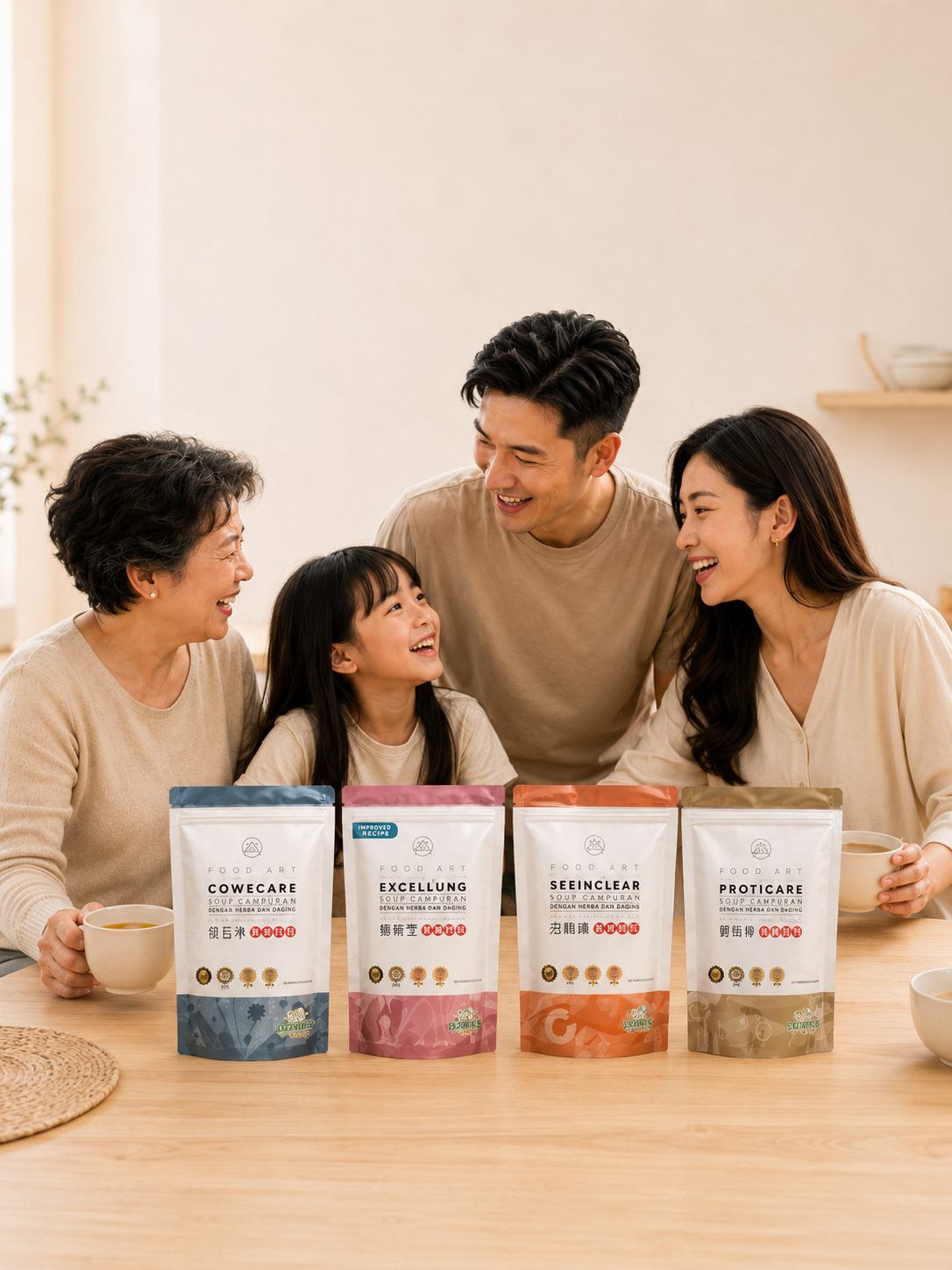
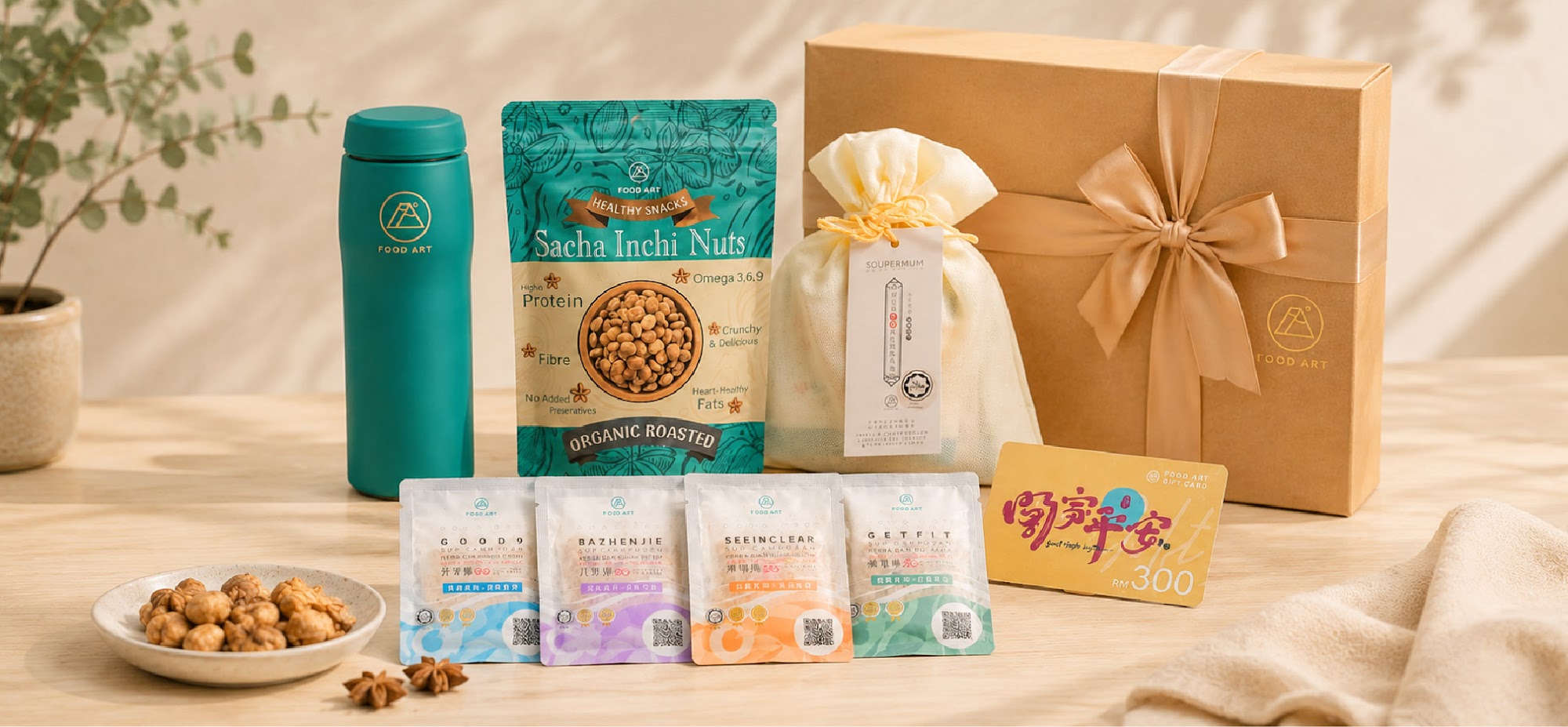
Red Dates is a key ingredient in these Food Art no-cook herbal soups, thoughtfully formulated to provide its nourishing qualities in a convenient, ready-to-brew format.


The information provided on this page is for educational and informational purposes only and does not constitute medical advice. Please consult a qualified healthcare professional before using any herbal products.