





Codonopsis
Known as "Poor Man's Ginseng," Codonopsis is a gentle yet powerful Qi-tonifying root prized for centuries in Traditional Chinese Medicine for boosting vitality, strengthening digestion, and nourishing the body from within.

What Is Codonopsis?
Codonopsis is a climbing perennial vine in the bellflower family, native to the mountainous regions of China. Despite its delicate appearance, its thick, fleshy root is a remarkable source of nourishing medicine that has been used for over 250 years in Traditional Chinese Medicine.
Sweet in taste and neutral in temperature, Codonopsis root gently replenishes Qi (vital energy) without being overly stimulating — making it ideal for long-term, everyday wellness. It is commonly added to herbal soups, stews, and tonic formulas across East Asia, and is increasingly embraced worldwide as a versatile adaptogen.
History & Origin
Codonopsis (Dang Shen) rose to prominence as a gentle, affordable substitute for ginseng. Long associated with the famed Shangdang region of Shanxi, it became a treasured Qi tonic in its own right.
Traditional Uses
Strengthens Digestion
Codonopsis tonifies Spleen Qi — the digestive energy responsible for transforming food into nourishment. It gently rebuilds digestive power for those with poor appetite, bloating, loose stools, or general nausea.
Boosts Lung Health
As a Lung Qi tonic, it supports respiratory function and helps with shortness of breath, weak voice, and lingering coughs. Its moistening quality soothes dry, irritated airways.
Nourishes Blood
By strengthening the Spleen (the source of Blood production in TCM), Codonopsis indirectly supports healthy Blood formation — beneficial for pallor, dizziness, and fatigue.
Generates Body Fluids
Particularly useful after illness or heavy sweating, Codonopsis helps restore depleted fluids, relieving symptoms like dry mouth, thirst, and dehydration alongside fatigue.
Gentle Adaptogen
As a milder alternative to ginseng, Codonopsis helps the body adapt to stress, rebuild vitality during convalescence, and maintain energy over the long term without overstimulation.
Tonifies Vital Qi
In TCM, strong Qi keeps organs supported and energy flowing. Codonopsis is traditionally used for organ prolapse and chronic weakness where the body's fundamental energy is depleted.
Health Benefits
-
Fights Fatigue Replenishes Qi to combat chronic tiredness, weakness, and low energy — especially after illness or prolonged stress.
-
Immune Support Rich in polysaccharides that enhance immune cell activity, helping the body resist infections and recover faster.
-
Blood Health Supports red blood cell production and haemoglobin levels, making it traditionally used for anaemia and pallor.
-
Digestive Wellness Gently restores digestive power, improving appetite, nutrient absorption, and relieving bloating and loose stools.
-
Blood Sugar Balance Preclinical studies show Codonopsis polysaccharides may help regulate blood glucose and improve insulin sensitivity.
-
Cognitive Support Research suggests it may help improve memory function and support nervous system health through antioxidant activity.
Soups Featuring Codonopsis
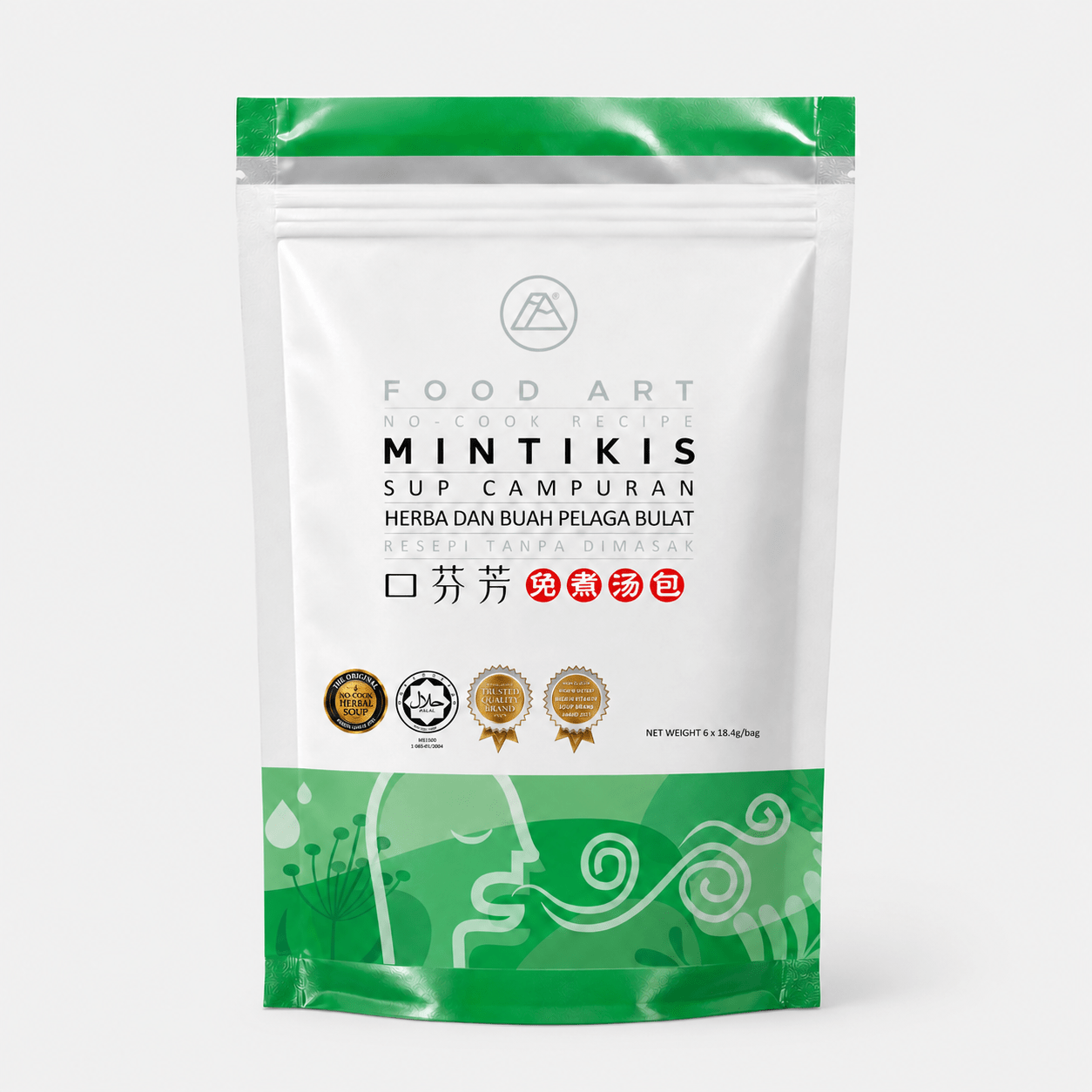
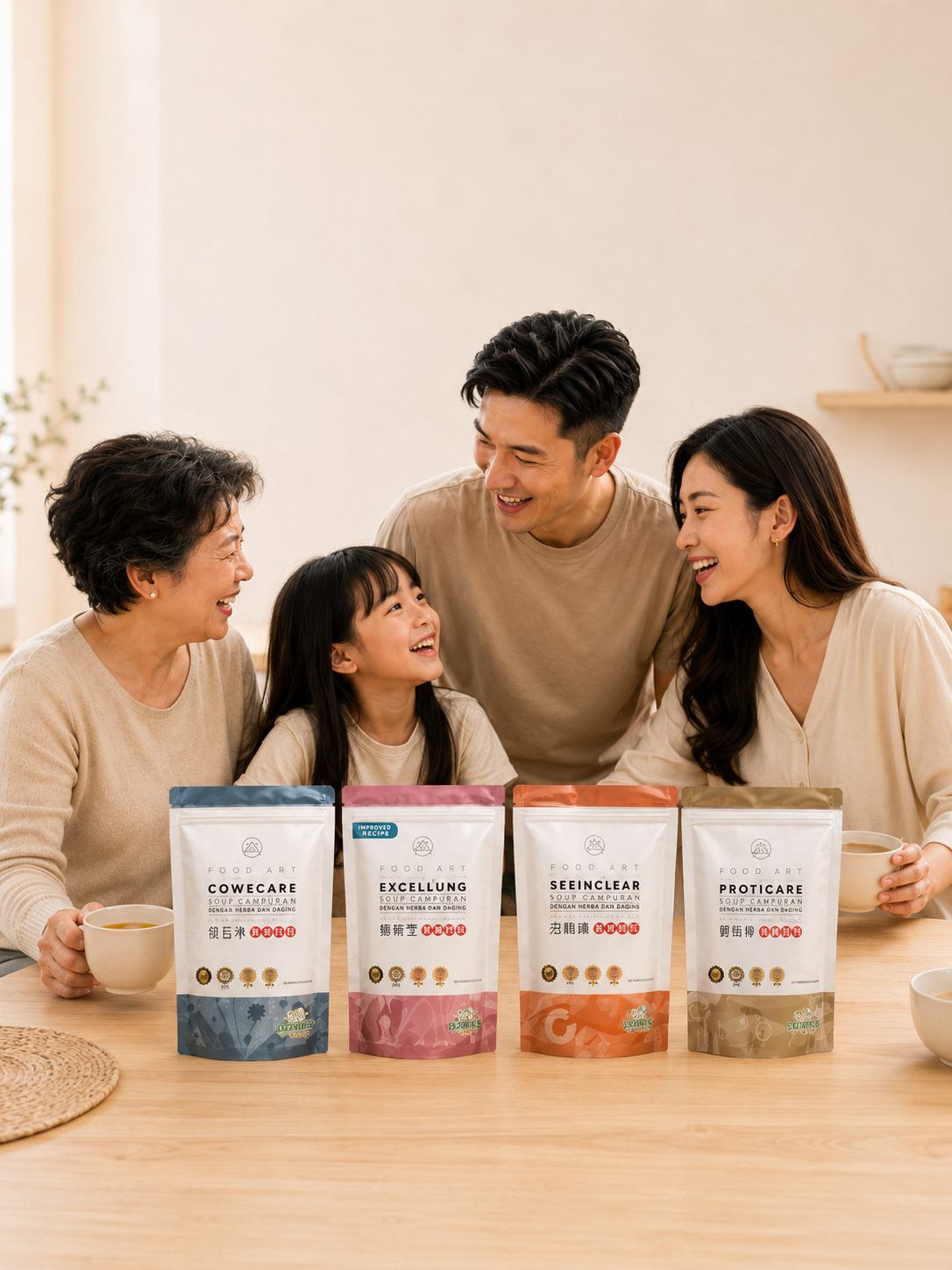
Codonopsis is a key ingredient in these Food Art no-cook herbal soups, thoughtfully formulated to provide its nourishing qualities in a convenient, ready-to-brew format.


The information provided on this page is for educational and informational purposes only and does not constitute medical advice. Please consult a qualified healthcare professional before using any herbal products.