





Malaytea Scurfpea Fruit
The "Bone-Mending Herb" of Chinese medicine — Malaytea Scurfpea Fruit powerfully tonifies Kidney Yang, warms Mingmen Fire, astringes Kidney Qi, and warms Spleen Yang for profound inner warmth and vitality.

What Is Malaytea Scurfpea Fruit?
Malaytea Scurfpea Fruit (Bu Gu Zhi, 补骨脂) — whose name translates literally as "supplement bone fat" — is one of the most powerful Kidney Yang tonic herbs in Traditional Chinese Medicine. Derived from the fruit of Psoralea corylifolia, a plant native to the Indian subcontinent and Southeast Asia, it was incorporated into Chinese medicine via ancient trade routes and became a central Yang-tonifying herb.
Bitter, pungent, and very warm in nature, Bu Gu Zhi enters the Kidney and Spleen channels with strong warming force. It is one of the premier herbs for tonifying Kidney Yang and warming Mingmen Fire (the Gate of Vitality) — the root of all Yang energy in the body. Its secondary astringent action stabilises Kidney Qi, making it effective for incontinence, spermatorrhoea, and frequent urination from Kidney deficiency. It also warms Spleen Yang to address cold-type chronic diarrhoea.
History & Origin
Bu Gu Zhi has been used in Chinese medicine since the Tang Dynasty following its introduction from India and Persia, becoming established as one of the most important Yang tonic herbs in the classical pharmacopoeia.
Traditional Uses
Tonifies Kidney Yang & Warms Mingmen
The primary and most powerful action — strongly tonifies Kidney Yang and warms Mingmen Fire (the source of all Yang energy), used for impotence, cold lower back, cold limbs, and profound Yang deficiency.
Astringes Kidney Qi
Stabilises and astringes leaking Kidney Qi — used for spermatorrhoea, premature ejaculation, urinary incontinence, and frequent urination from Kidney deficiency.
Warms Spleen Yang & Stops Diarrhoea
Warms Spleen Yang to address chronic cold-type diarrhoea — particularly the classical 'fifth-watch diarrhoea' (Wǔ Gēng Xiè) occurring in the early morning from Kidney-Spleen Yang deficiency.
Strengthens Bones
Modern research confirms Bu Gu Zhi's osteogenic properties — validating its name ('supplement bone') and its classical use for Kidney deficiency with bone weakness and lower back pain.
External Use for Skin Conditions
Psoralen and bakuchiol are photosensitising compounds used externally (as a tincture or oil) for vitiligo, alopecia, and psoriasis — a use spanning both Ayurvedic and TCM traditions.
Supports Sexual Vitality
One of TCM's most important herbs for male vitality — warming Kidney Yang and stabilising Kidney Qi for sexual health and reproductive function.
Health Benefits
-
Mingmen Fire & Yang TonificationThe most powerfully warming Yang tonic — kindles Mingmen Fire and profoundly strengthens Kidney Yang.
-
Bone StrengtheningBakuchiol and psoralen studied for osteogenic (bone-building) effects — validating its name 'supplement bone'.
-
Cold Diarrhoea ReliefWarms Spleen Yang to address early-morning cold-type diarrhoea from Kidney-Spleen Yang deficiency.
-
Male Vitality SupportAstringes Kidney Qi and warms Yang — supporting sexual health and reproductive vitality from Kidney deficiency.
-
Skin & PigmentationPsoralen and bakuchiol studied for external use in vitiligo and skin pigmentation — a cross-cultural traditional use.
Soups Featuring Malaytea Scurfpea Fruit
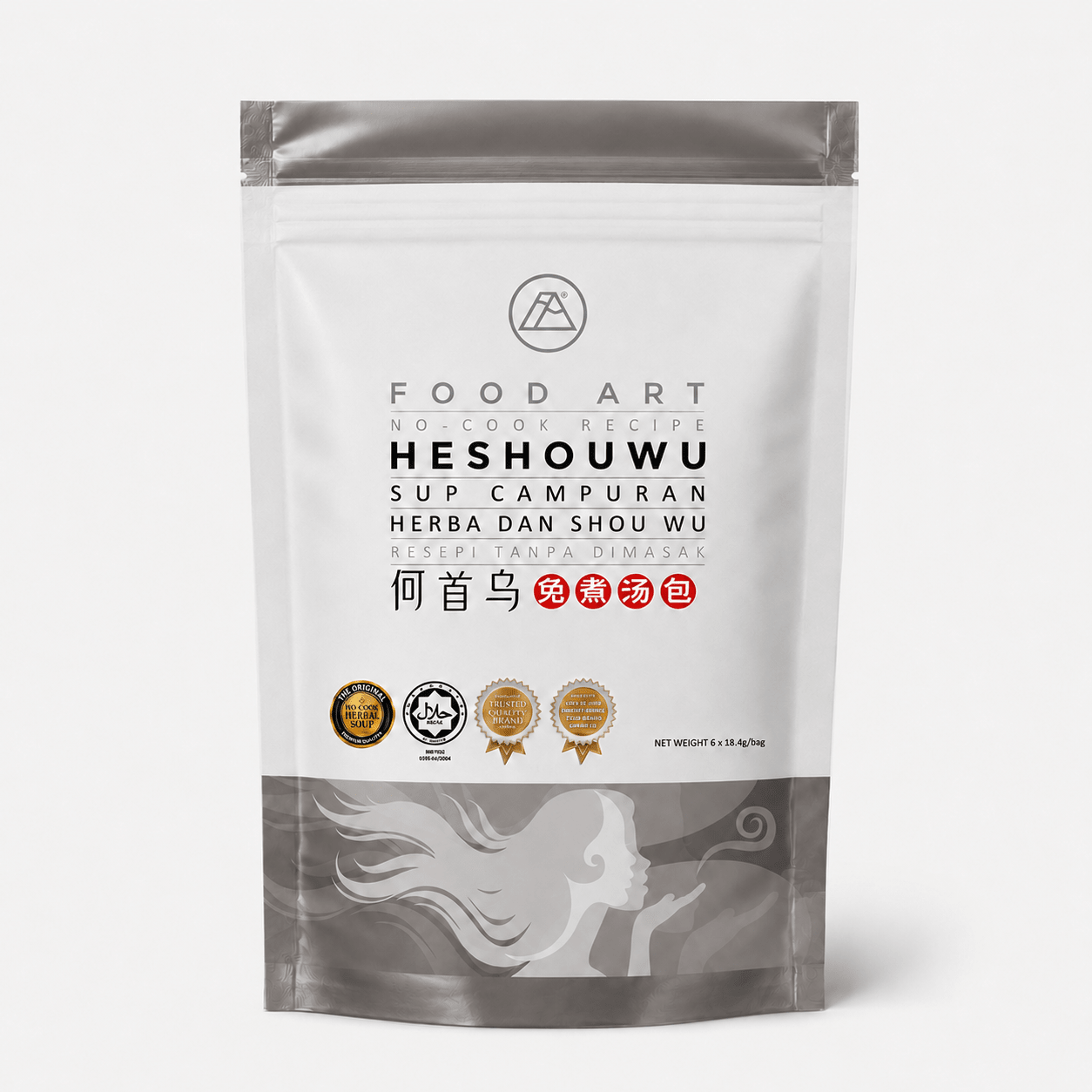
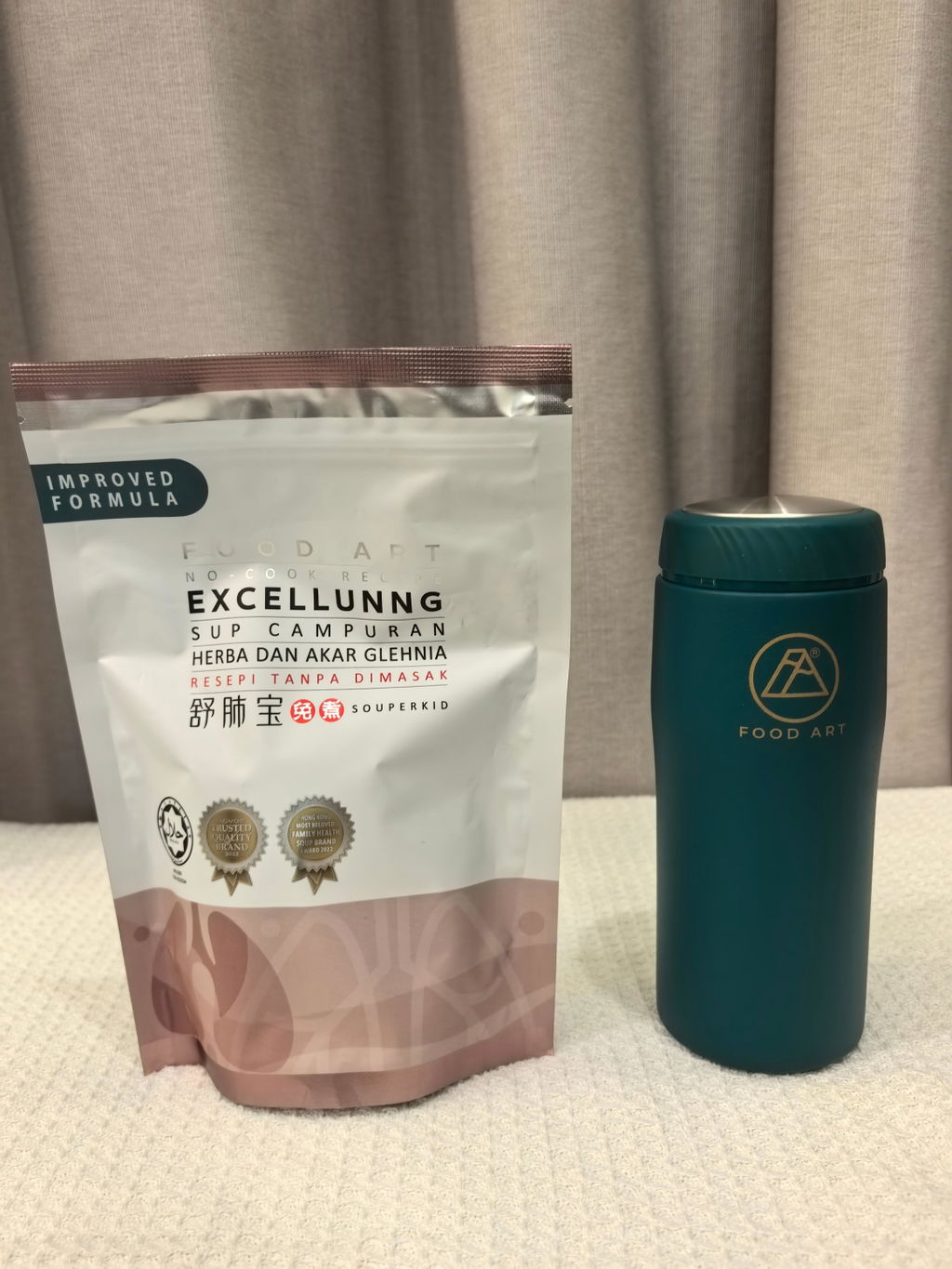
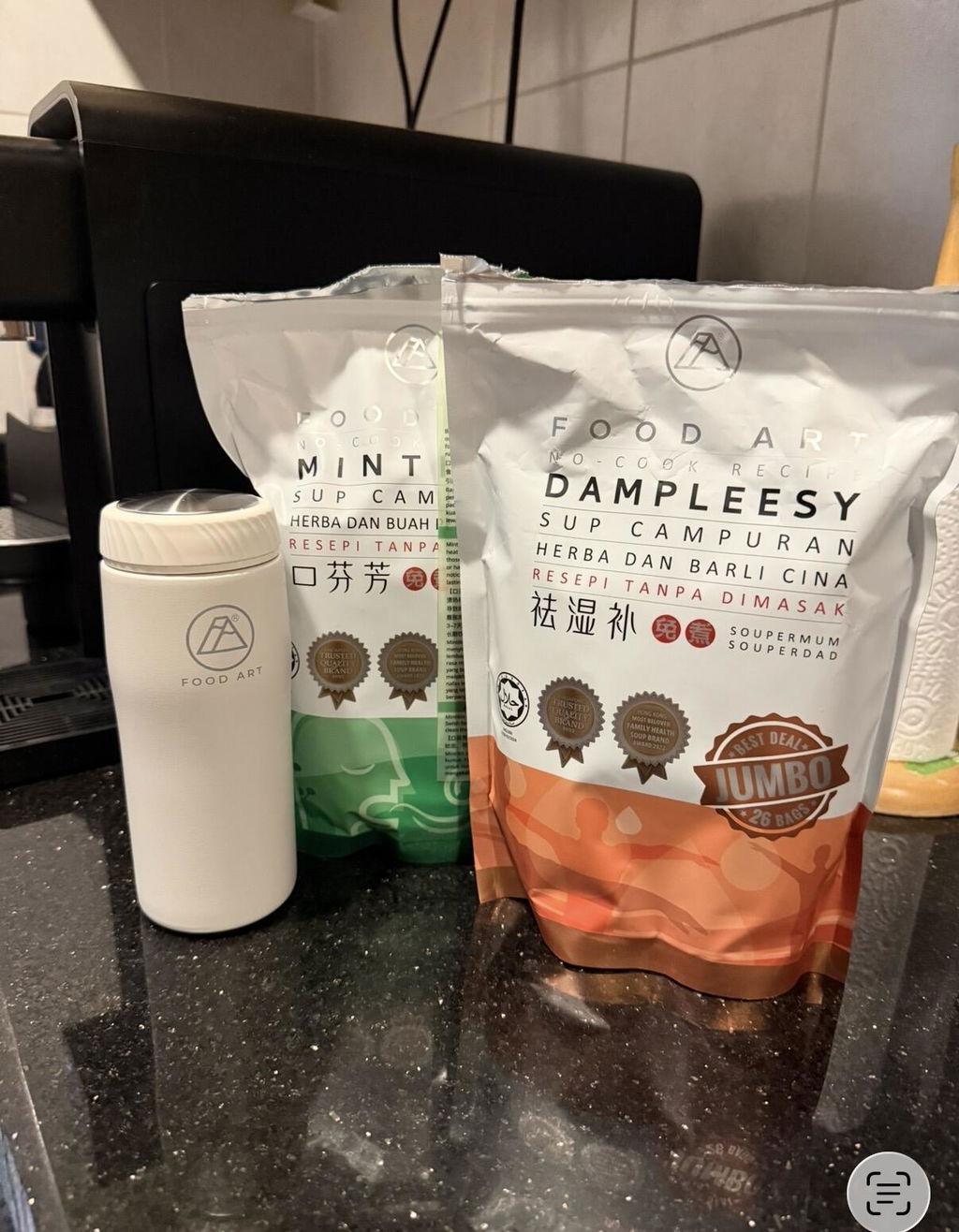
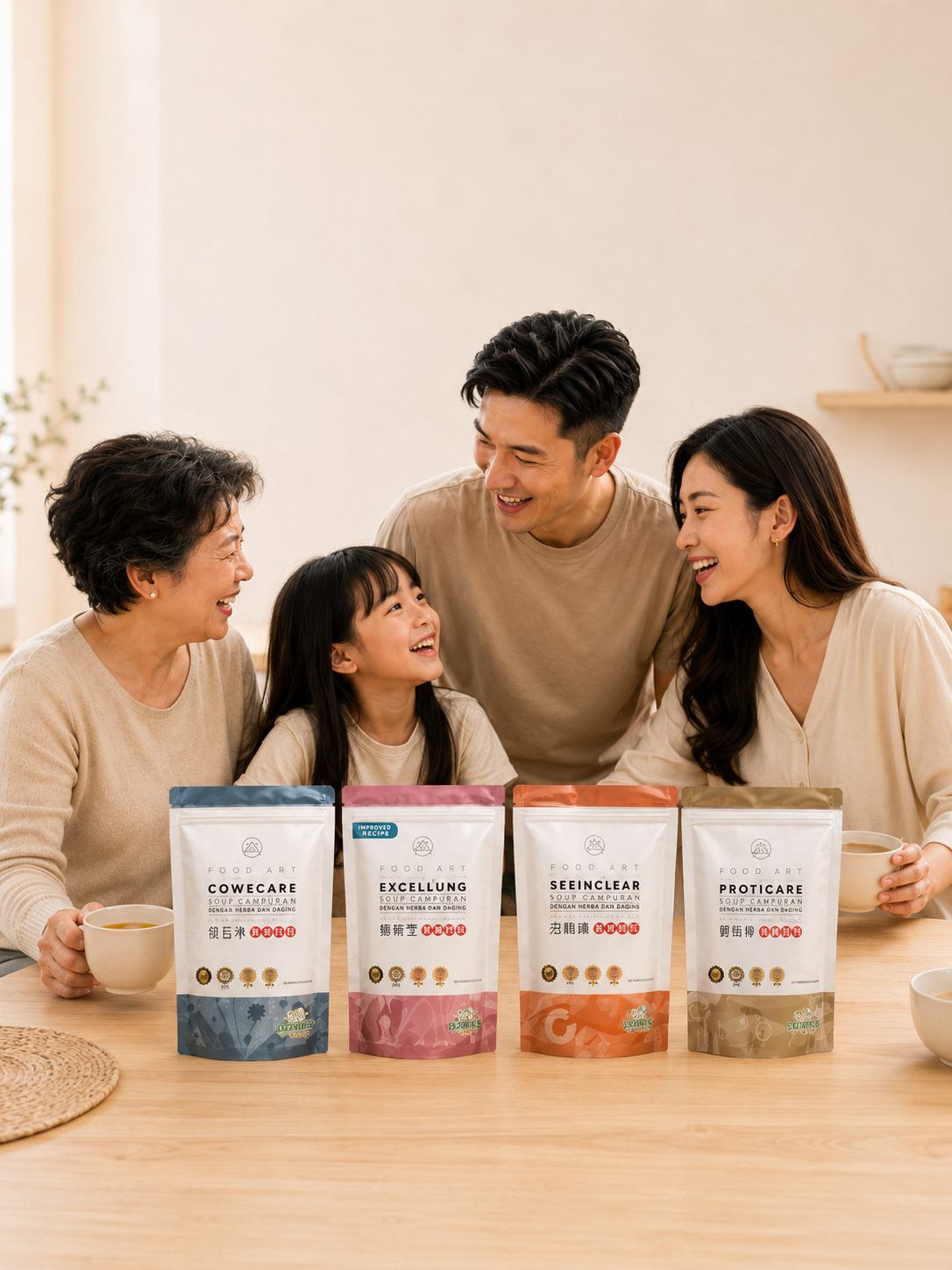
Fruit of Malaytea Scurfpea is a key ingredient in these Food Art no-cook herbal soups, thoughtfully formulated to provide its nourishing qualities in a convenient, ready-to-brew format.

The information provided on this page is for educational and informational purposes only and does not constitute medical advice. Please consult a qualified healthcare professional before using any herbal products.