





Kacang Beras
Sering dikelirukan dengan Kacang Merah, Kacang Beras ialah kekacang tersendiri yang dihargai dalam masakan Kantonis kerana rasanya yang lebih manis dan pemupukan diuretik yang lembut.

Apakah Kacang Beras?
Kacang Beras, secara botani Phaseolus calcaratus (juga dikelaskan oleh sesetengah pihak berkuasa sebagai Vigna umbellata), ialah kekacang yang berkait rapat tetapi berbeza daripada Ricebean yang ubatan. Dalam penggunaan Kantonis harian kedua-dua nama sering digunakan secara bertukar ganti, namun dalam konteks TCM formal dan masakan ia dibezakan: cenderung lebih besar, lebih bulat, dan mempunyai rasa yang agak lebih manis serta kurang kelat, manakala Ricebean ialah kacang jenis adzuki yang lebih kecil dan lebih memanjang yang dipilih kerana kekuatan ubatannya.
Dari perspektif TCM, Kacang Beras berkongsi banyak sifat berfungsi Ricebean — menyalir kelembapan, mengurangkan edema, menjernihkan panas ringan dan menyokong saluran Jantung dan Usus Kecil — walaupun ia umumnya dianggap lebih lembut dalam tindakan ubatannya dan oleh itu lebih sesuai sebagai herba-makanan harian berbanding intervensi terapeutik khusus. Ia adalah tonggak sup manis Kantonis (tong sui), terutamanya sup kacang merah yang digemari yang dibuat dengan santan atau gula merah, dan ia muncul dalam bubur masin dan hidangan nasi perayaan di seluruh Asia Timur dan Tenggara.
Sejarah & Asal Usul
Kacang merah dalam pelbagai bentuknya telah muncul dalam tradisi masakan dan ubatan Cina selama beribu tahun, dengan rekod penanaman yang meluas sejak Dinasti Zhou. Pembezaan antara dan Ricebean telah diperhalusi secara progresif melalui kesarjanaan botani klasik dan moden.
Kegunaan Tradisional
Edema & Penahanan Air
Seperti Ricebean, Kacang Beras menggalakkan kencing secara lembut dan menyalir cecair terkumpul, walaupun tindakannya lebih lembut dan lebih sesuai untuk kegunaan diet jangka panjang.
Pemupukan Jantung
Sifat manisnya dan tindakan pada saluran Jantung menyokong pemupukan Qi jantung dan Darah yang ringan — dimakan secara tetap dalam sup manis untuk kesejahteraan emosi.
Kesihatan Pencernaan
Kaya dengan serat diet, Kacang Beras menyokong pergerakan usus, memberi makan bakteria usus bermanfaat dan membantu mengawal fungsi usus sebagai sebahagian daripada diet seimbang.
Kegunaan Perayaan & Upacara
Muncul dalam nasi kacang merah, ladu (tang yuan) berinti pes kacang merah, dan inti kuih bulan — melambangkan tuah, kesihatan dan pertemuan semula dalam budaya Cina.
Protein & Penambahan Pemakanan
Sumber protein berasaskan tumbuhan yang bernilai dalam diet Asia Timur, terutamanya dalam tradisi masakan vegetarian dan vegan di seluruh China, Jepun, Korea dan Asia Tenggara.
Manfaat Kesihatan
-
Diuretik LembutMenggalakkan penyaliran cecair secara ringan dan mengurangkan bengkak, sesuai sebagai herba-makanan harian untuk pengurusan kelembapan yang lembut.
-
Pemupukan Jantung & EmosiSifat manis dan afiniti saluran Jantung menjadikan sup kacang merah makanan yang menyelesakan dan menyuburkan untuk keseimbangan emosi dan sokongan jantung yang lembut.
-
Kaya dengan NutrienMenyediakan protein tumbuhan, vitamin B, zat besi, kalium dan serat diet — menyumbang kepada diet seimbang dan menyuburkan.
-
Kepelbagaian MasakanBoleh disesuaikan merentasi hidangan manis dan masin — daripada sup kacang merah klasik dan inti kuih bulan hingga bubur, pulut dan kuih kukus.
-
Kepentingan Budaya & PerayaanTertanam mendalam dalam tradisi perayaan Cina, melambangkan tuah, kesihatan dan pertemuan semula keluarga pada perayaan sepanjang tahun.
Sup Menampilkan Kacang Beras
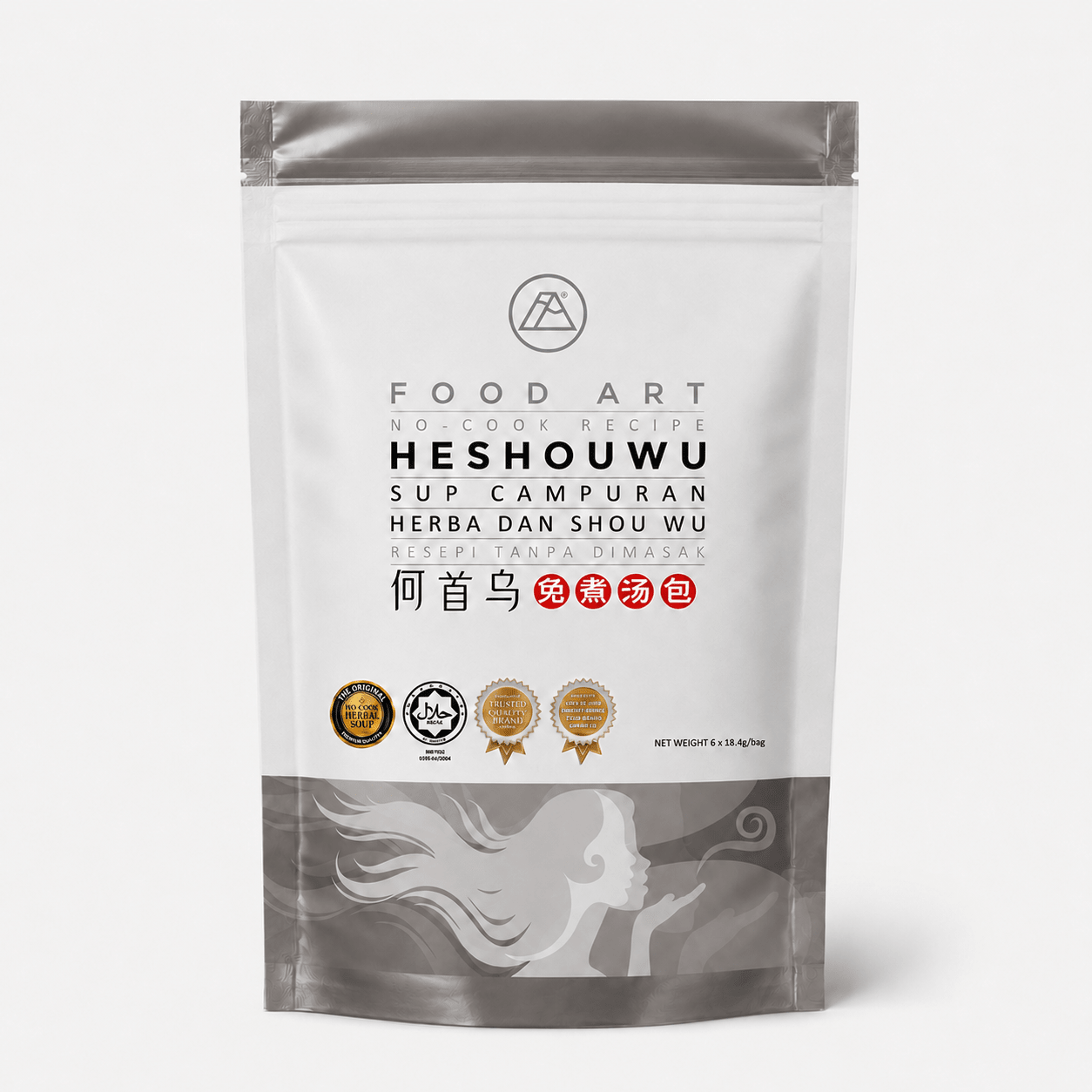
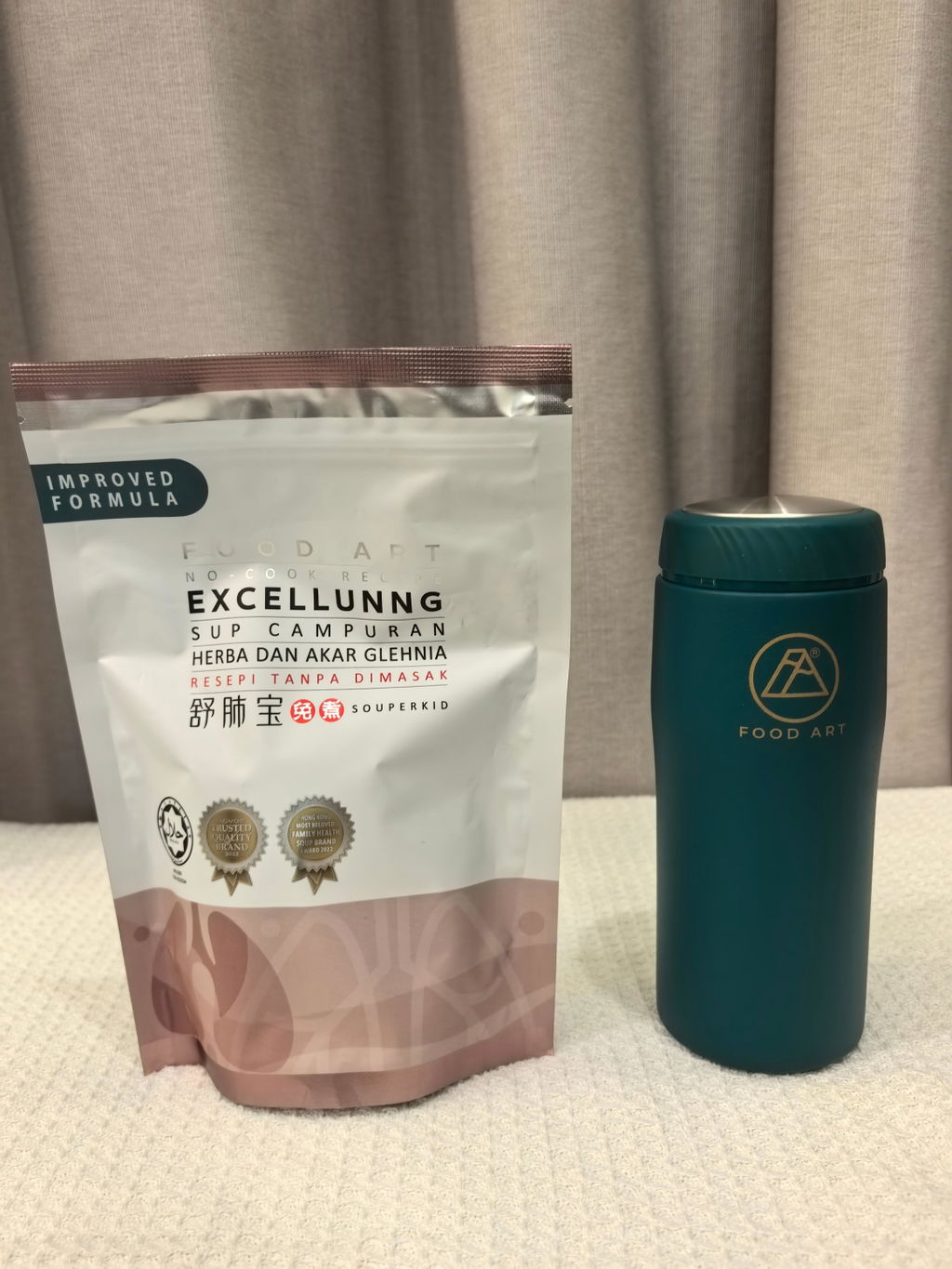
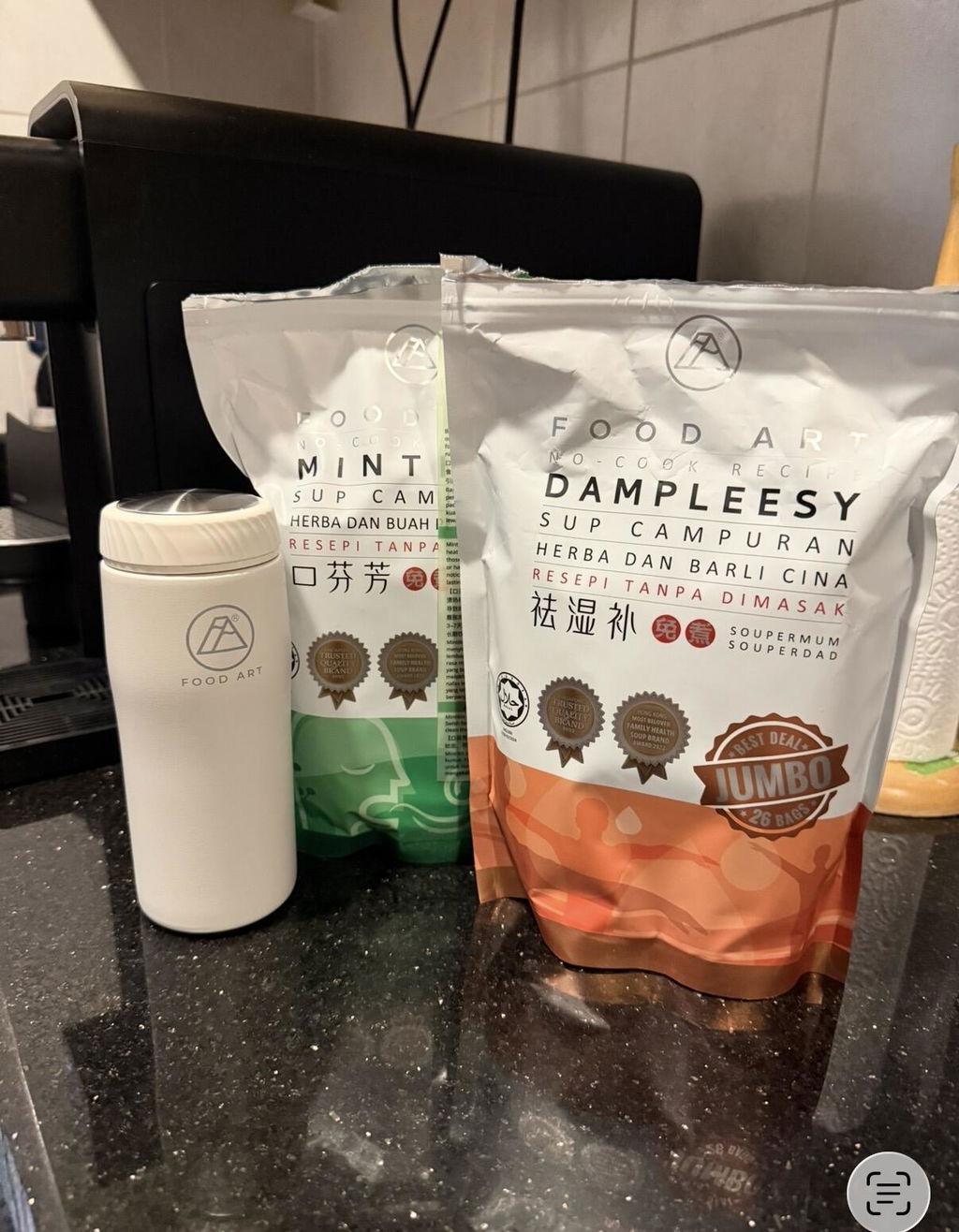
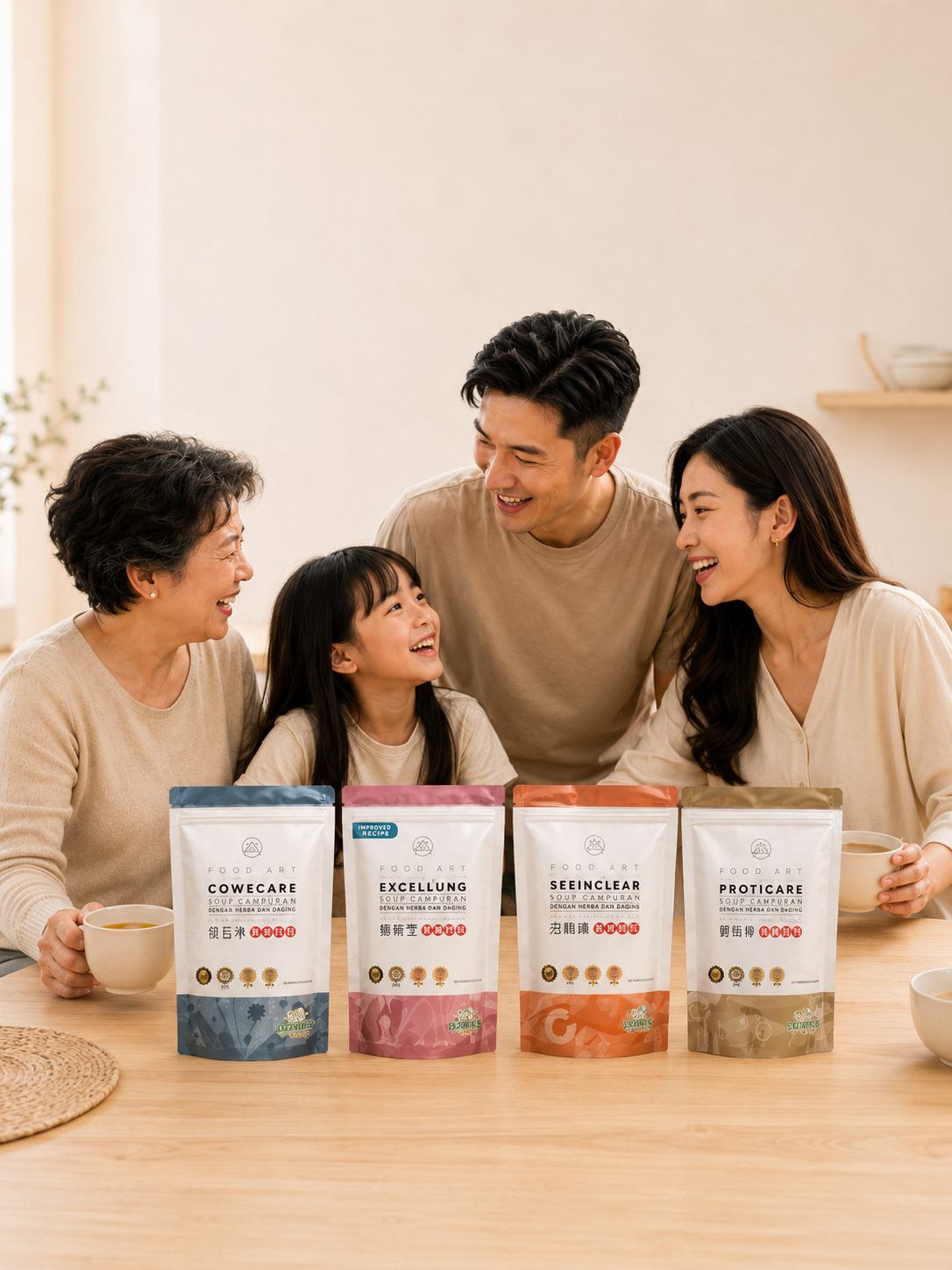
Ricebean adalah ramuan utama dalam sup herba Food Art tanpa masak, yang dirumus dengan teliti untuk memberikan khasiatnya dalam format mudah dan sedia dibancuh.


Maklumat yang disediakan di halaman ini adalah untuk tujuan pendidikan dan rujukan sahaja dan tidak boleh dianggap sebagai nasihat perubatan. Sila dapatkan nasihat daripada profesional penjagaan kesihatan yang bertauliah sebelum menggunakan sebarang produk herba.