





Bebawang Lily
Bebawang yang menyejukkan dan menenangkan jantung yang melembapkan Paru-paru dan menenangkan semangat yang resah untuk memulihkan kedamaian dalaman.

Apakah Bebawang Lily?
Bebawang Lily diperoleh daripada sisik berlapis yang berisi pada Lilium brownii dan spesies berkaitan yang berasal dari China. Nama “Bebawang Lily” secara harfiah bermaksud “seratus penyatuan,” merujuk kepada banyak sisik berlapis yang membentuk bebawang itu — struktur yang juga melambangkan keharmonian dan kebersamaan dalam budaya Cina. Bebawang ini berkanji, sedikit manis, dan cukup enak untuk digunakan sebagai sayuran masakan dan herba ubatan, kerap muncul dalam bubur, sup, dan pencuci mulut.
Dalam Perubatan Tradisional Cina, Bebawang Lily memasuki meridian Jantung dan Paru-paru dan dihargai kerana keupayaannya memberi khasiat kepada Yin, melembapkan Paru-paru, dan menjernihkan Haba. Ia terutamanya ditunjukkan untuk keadaan yang timbul selepas penyakit demam apabila Haba sisa berlarutan dan mengganggu Semangat Jantung (Shen), menghasilkan gejala seperti insomnia, berdebar-debar, demam ringan, dan kegelisahan mental. Sifatnya yang lembut dan menyejukkan menjadikannya sesuai untuk mereka yang berperlembagaan kering atau halus, dan ia biasa dipadankan dengan herba seperti Ophiopogon dan Rehmannia dalam formula klasik.
Sejarah & Asal Usul
Bebawang Lily telah dimakan dan dihormati di China selama lebih dua ribu tahun, muncul dalam teks purba sebagai makanan berharga dan ubat untuk penyakit Jantung dan Paru-paru. Identiti berkembarnya yang lama sebagai pemakanan dan ubat mencerminkan ideal Tao tentang penyembuhan melalui bahan harian yang berkhasiat.
Kegunaan Tradisional
Melembapkan Batuk Kering
Bebawang Lily ialah herba pilihan utama untuk batuk kering tidak berkahak akibat kekurangan Yin Paru-paru atau Haba sisa selepas sakit, membantu memulihkan kelembapan saluran pernafasan.
Menenangkan Semangat Jantung
Ia digunakan secara klasik untuk insomnia, berdebar-debar, dan kebimbangan yang timbul akibat kekurangan Yin Jantung atau Haba patogenik berlarutan yang mengganggu Shen.
Menjernihkan Demam Sisa
Dalam corak yang dikenali sebagai “Penyakit Lily,” Bebawang Lily menjernihkan demam ringan yang berterusan dan ketidakstabilan emosi yang berlaku selepas penyakit demam.
Memberi Khasiat kepada Paru-paru
Digunakan dalam sup tonik dan bubur untuk menyokong kesihatan Paru-paru dari semasa ke semasa, terutamanya bermanfaat untuk mereka yang mudah kering, kerengsaan tekak kronik, atau suara lemah.
Menyokong Keseimbangan Emosi
Pertaliannya dengan Jantung menjadikannya berguna dalam formula yang menangani kesedihan, kemurungan, dan kepekaan emosi, keadaan yang secara tradisi dikaitkan dengan kekosongan Yin Paru-paru dan Jantung.
Manfaat Kesihatan
-
Sokongan Kelembapan Paru-paruMelegakan dan melembapkan saluran pernafasan, meredakan batuk kering dan kekeringan tekak yang berkaitan dengan kekurangan Yin Paru-paru.
-
Tidur NyenyakMenenangkan Semangat Jantung dan meredakan insomnia serta kegelisahan malam yang berpunca daripada kesusutan Haba atau Yin.
-
Keharmonian JantungMenyokong kestabilan emosi dan mengurangkan berdebar-debar yang berkaitan dengan kekurangan Yin Jantung.
-
Menjernihkan Haba BerlarutanDengan lembut meleraikan demam ringan dan mudah marah yang berterusan selepas penyakit akut.
-
Nilai Makanan-Ubat BerkembarCukup selamat dan enak untuk kegunaan masakan biasa, menjadikannya tonik harian yang mudah diperoleh untuk seluruh keluarga.
Sup Menampilkan Bebawang Lily
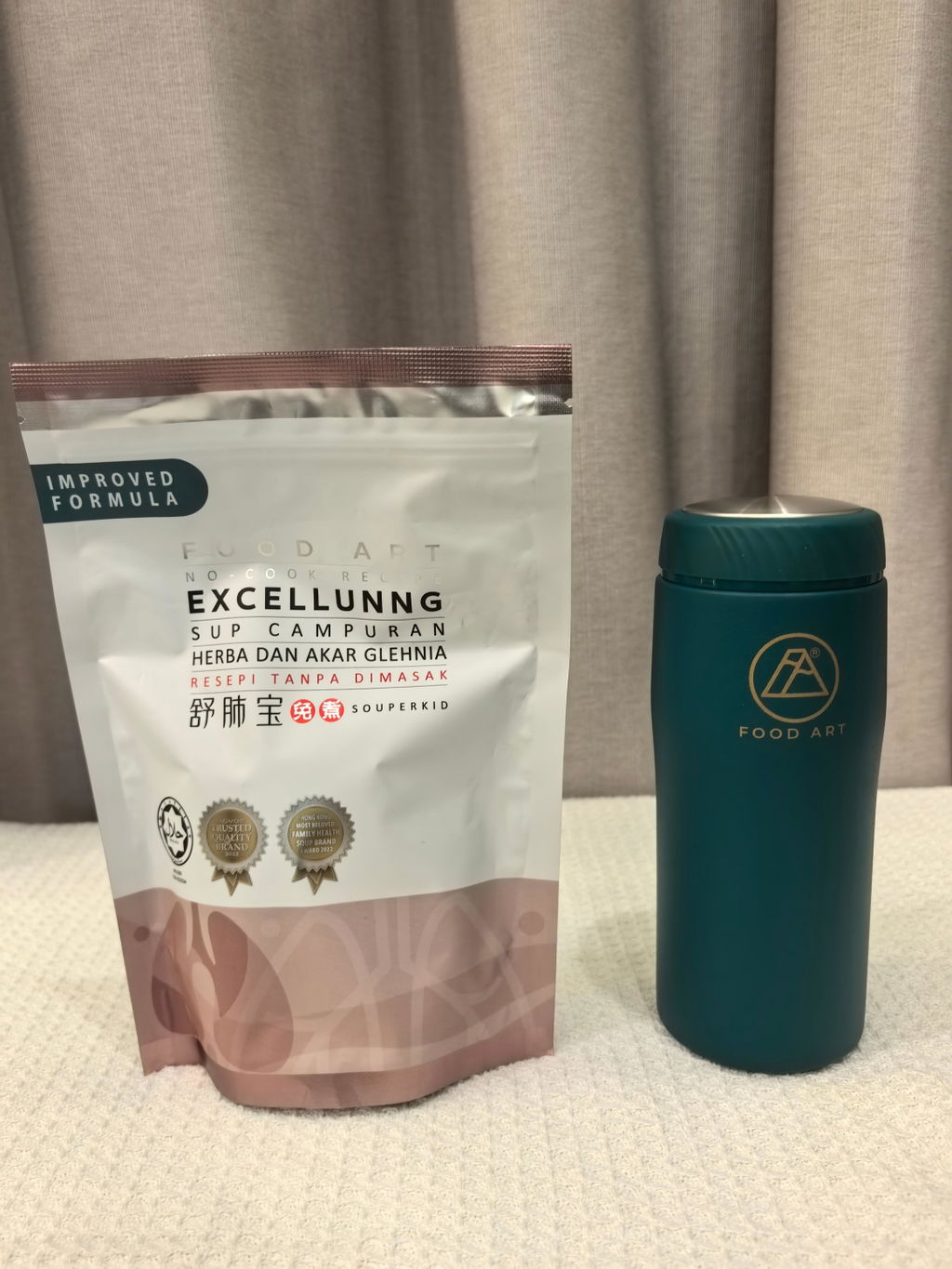
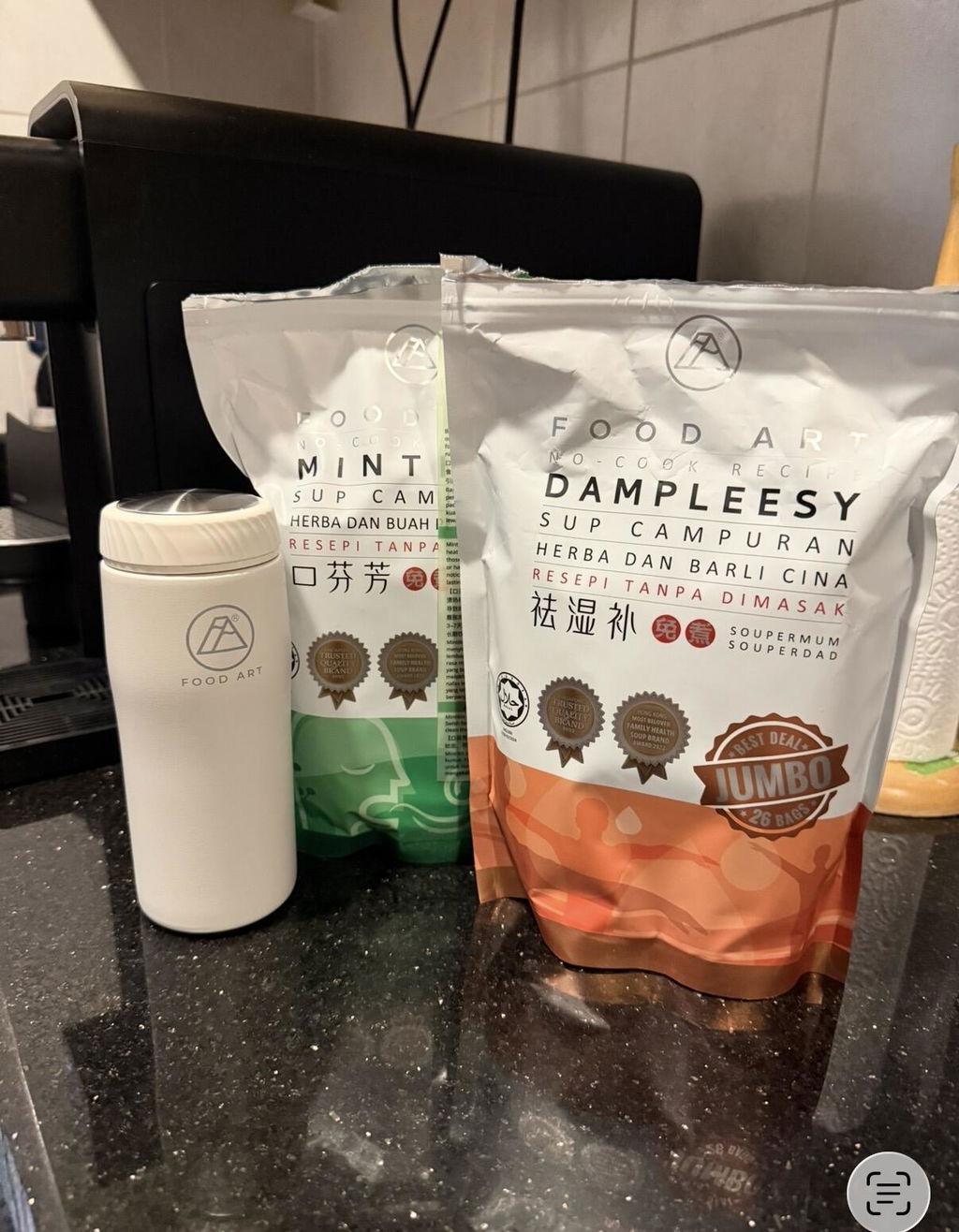
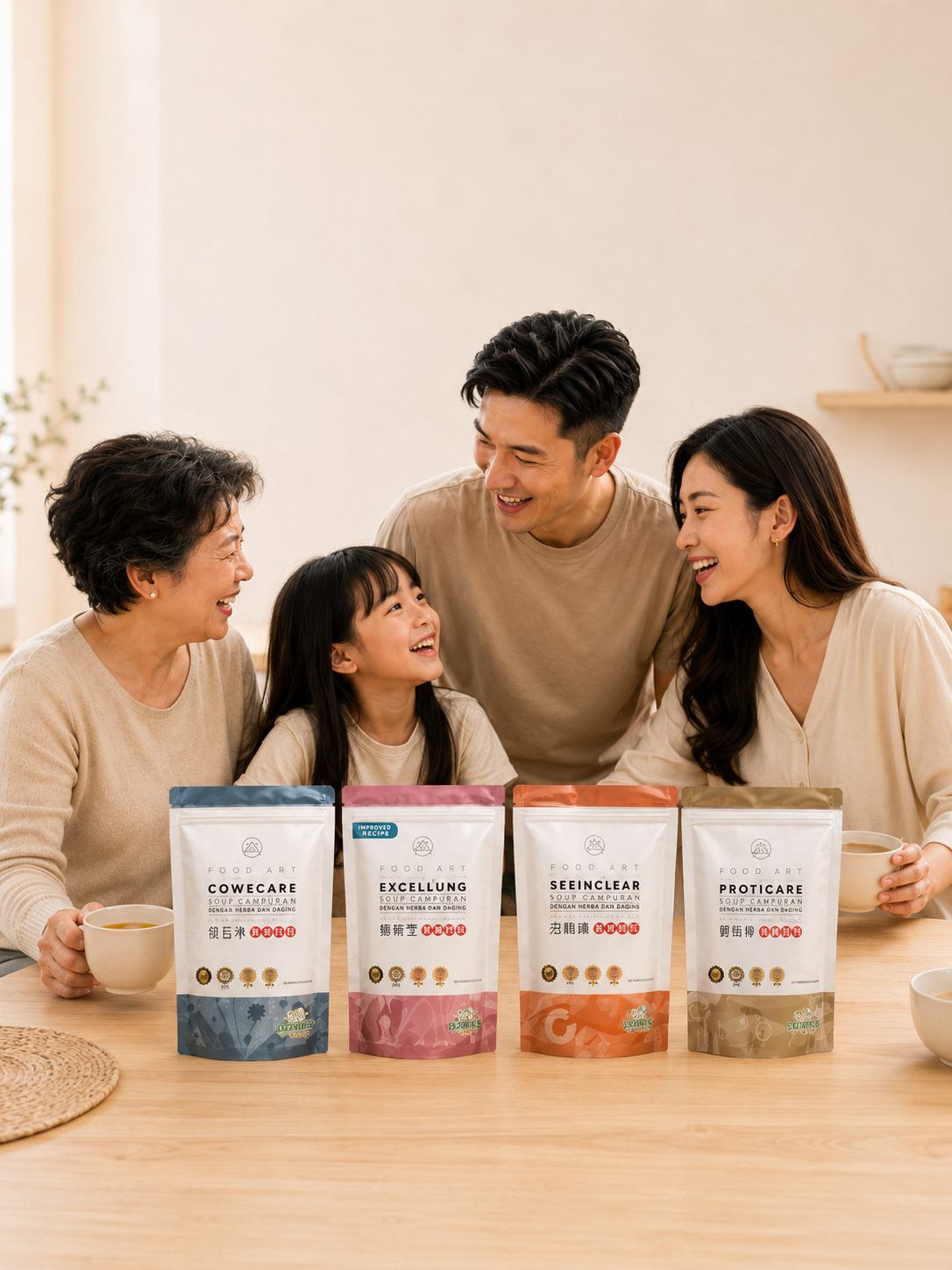
Bebawang Lily adalah ramuan utama dalam sup herba Food Art tanpa masak, yang dirumus dengan teliti untuk memberikan khasiatnya dalam format mudah dan sedia dibancuh.


Maklumat yang disediakan di halaman ini adalah untuk tujuan pendidikan dan rujukan sahaja dan tidak boleh dianggap sebagai nasihat perubatan. Sila dapatkan nasihat daripada profesional penjagaan kesihatan yang bertauliah sebelum menggunakan sebarang produk herba.