


Akar Licorice
Datuk segala herba Cina — Akar Licorice menyuburkan Qi Limpa, melembapkan Paru-paru, menjernihkan haba, meleraikan ketoksikan, dan mengharmonikan hampir setiap formula dalam tradisi klasik dengan sifatnya yang manis, seimbang, dan digemari ramai.

Apakah Akar Licorice?
Akar Licorice — secara harfiah "Herba Manis" — ialah akar dan rizom kering Glycyrrhiza uralensis, tumbuhan kekacang asli padang rumput utara China, Mongolia, dan Rusia. Ia memegang kedudukan unik dalam Perubatan Tradisional Cina sebagai salah satu herba yang paling berkuasa secara klinikal sekaligus paling mengharmonikan secara universal — muncul dalam lebih banyak formula klasik daripada hampir mana-mana herba tunggal lain. Sering dipanggil "datuk segala herba Cina", kemanisannya yang mendalam melambangkan peranannya yang menjadi pengantara, menyeimbang, dan memberi khasiat.
Bersifat manis dan neutral, Akar Licorice mentah (Sheng Akar Licorice) memasuki saluran Jantung, Paru-paru, Limpa, dan Perut. Tindakannya merangkumi keseluruhan keperluan klinikal TCM: menyuburkan Qi Limpa (membina tenaga dan penghadaman), melembapkan Paru-paru dan menghentikan batuk, menjernihkan haba dan meleraikan ketoksikan api (digunakan untuk sakit tekak, karbunkel, dan jangkitan bertoksik), dan — paling unik — menyederhanakan serta mengharmonikan tindakan herba lain dalam formula. Tindakan terakhir inilah sebabnya Licorice muncul dalam bahagian yang begitu besar daripada preskripsi klasik: ia mengurangkan kekerasan dan kesan sampingan herba yang lebih kuat, memanjangkan tempoh tindakan, dan memastikan formula berfungsi sebagai satu keseluruhan yang harmoni.
Sejarah & Asal Usul
Akar Licorice ialah salah satu tumbuhan ubatan paling purba di dunia, dengan penggunaan yang didokumentasikan dalam perubatan Cina menjangkau lebih 3,000 tahun dan tradisi selari dalam Ayurveda, perubatan Yunani purba, dan penyembuhan Mesir yang menjangkau lebih jauh lagi.
Kegunaan Tradisional
Menyuburkan Qi Limpa
Menguatkan Limpa dan Perut untuk membina tenaga, memperbaiki selera makan, dan menyokong penjanaan Qi dan Darah — digunakan untuk keletihan, penghadaman lemah, dan najis lembik akibat kekurangan Limpa.
Melembapkan Paru-paru & Menghentikan Batuk
Melegakan dan melembapkan Paru-paru, digunakan untuk batuk kering, tekak gatal, dan kekeringan Paru-paru — sifatnya yang manis dan lembap dengan lembut memulihkan kelembapan Paru-paru tanpa memualkan.
Menjernihkan Haba & Meleraikan Ketoksikan
Licorice mentah (Sheng Akar Licorice) menjernihkan toksin haba — digunakan untuk sakit tekak, karbunkel, jangkitan kulit, dan keracunan makanan. Salah satu penawar klasik kepada ketoksikan herba.
Mengharmonikan Formula & Menyederhanakan Kekerasan
Tindakan paling tersendiri dan unik dari segi falsafah dalam seluruh farmasi herba TCM — Licorice menyederhanakan sifat melampau herba yang keras atau bertoksik, memanjangkan tindakan formula, dan memastikan semua herba berfungsi bersama secara harmoni.
Melonggarkan Kekejangan & Melegakan Sakit
Digabungkan dengan Akar Peoni Putih, membentuk Shao Yao Akar Licorice Tang — salah satu formula antikejang TCM yang paling berkesan untuk kekejangan perut, kekejangan otot, dan kekejangan gastrik.
Meleraikan Kahak & Menyokong Paru-paru
Digunakan sebagai herba pengharmoni dalam formula pernafasan, menyokong fungsi menurun Paru-paru dan menyederhanakan herba peleraian kahak yang lebih kuat di sampingnya.
Manfaat Kesihatan
-
Pengharmoni Formula UniversalMuncul dalam lebih banyak formula klasik daripada mana-mana herba lain — menyederhanakan kekerasan, memanjangkan tindakan, dan membawa preskripsi kepada keseimbangan.
-
Penyuburan Qi LimpaMenguatkan Limpa dan Perut untuk penghadaman, tenaga, dan penjanaan berteruAkar Notoginseng dan Darah yang lebih baik.
-
Penjernihan Haba & PenyahtoksikanMenjernihkan toksin haba dan menyederhanakan ketoksikan — digunakan untuk sakit tekak, jangkitan, dan sebagai penawar herba klasik.
-
Disahkan Secara SaintifikGlycyrrhizin disahkan mempunyai sifat anti-radang, antivirus, pelindung hati, dan menyokong adrenal merentasi ratusan kajian.
-
AntikejangDipadankan dengan Peoni Putih dalam Shao Yao Akar Licorice Tang — salah satu formula TCM yang paling berkesan untuk kekejangan perut dan kekejangan otot.
Sup Menampilkan Akar Licorice
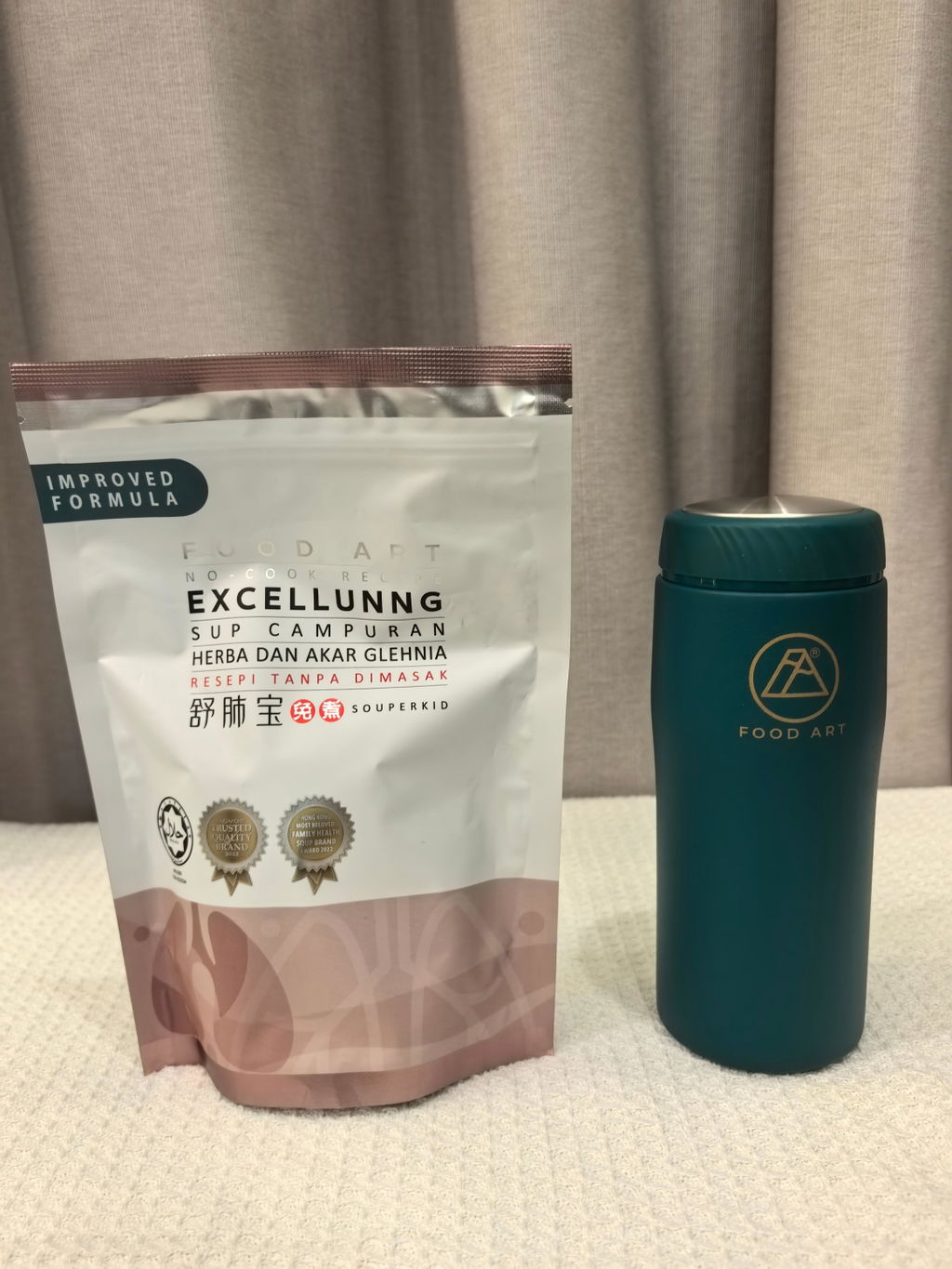
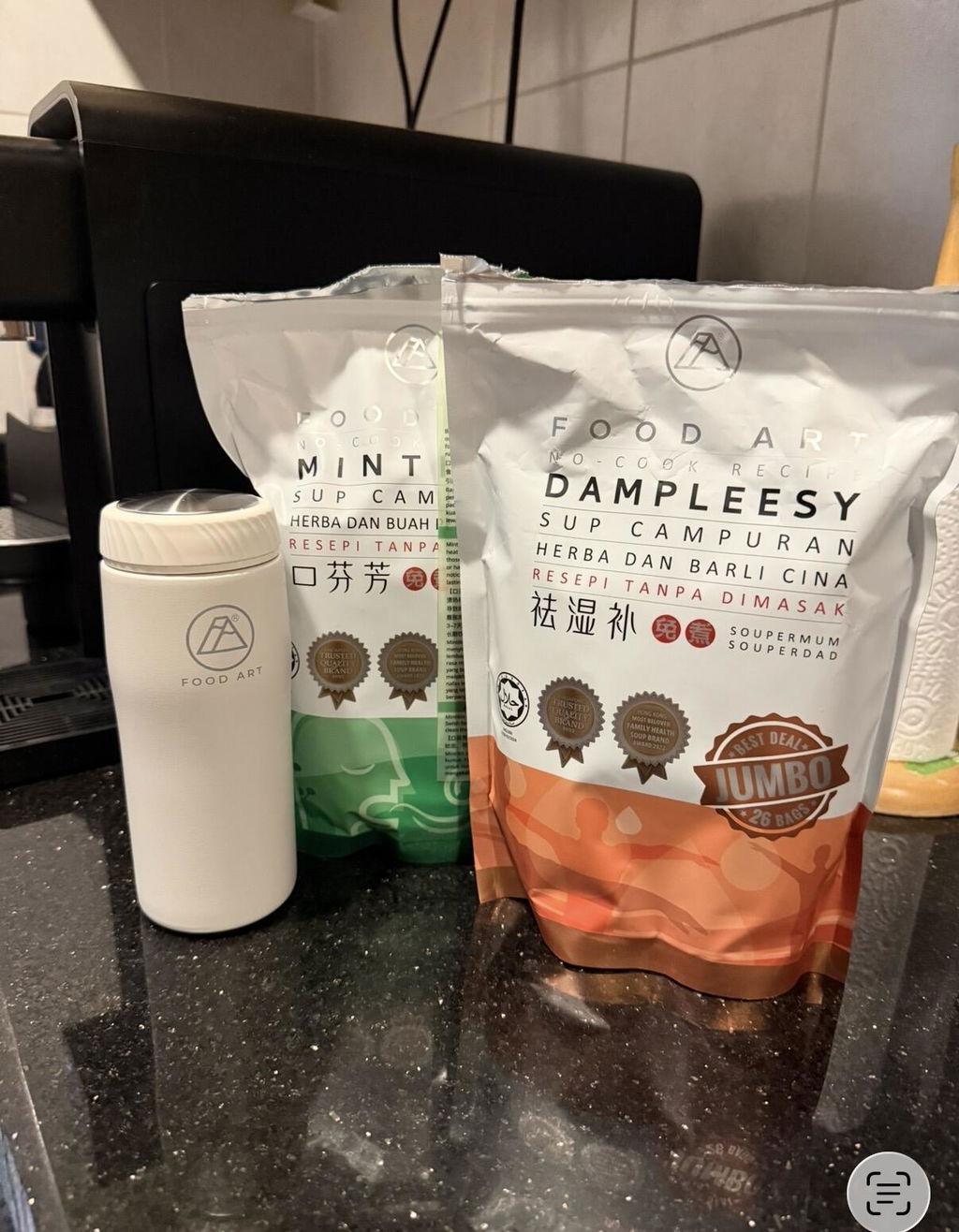
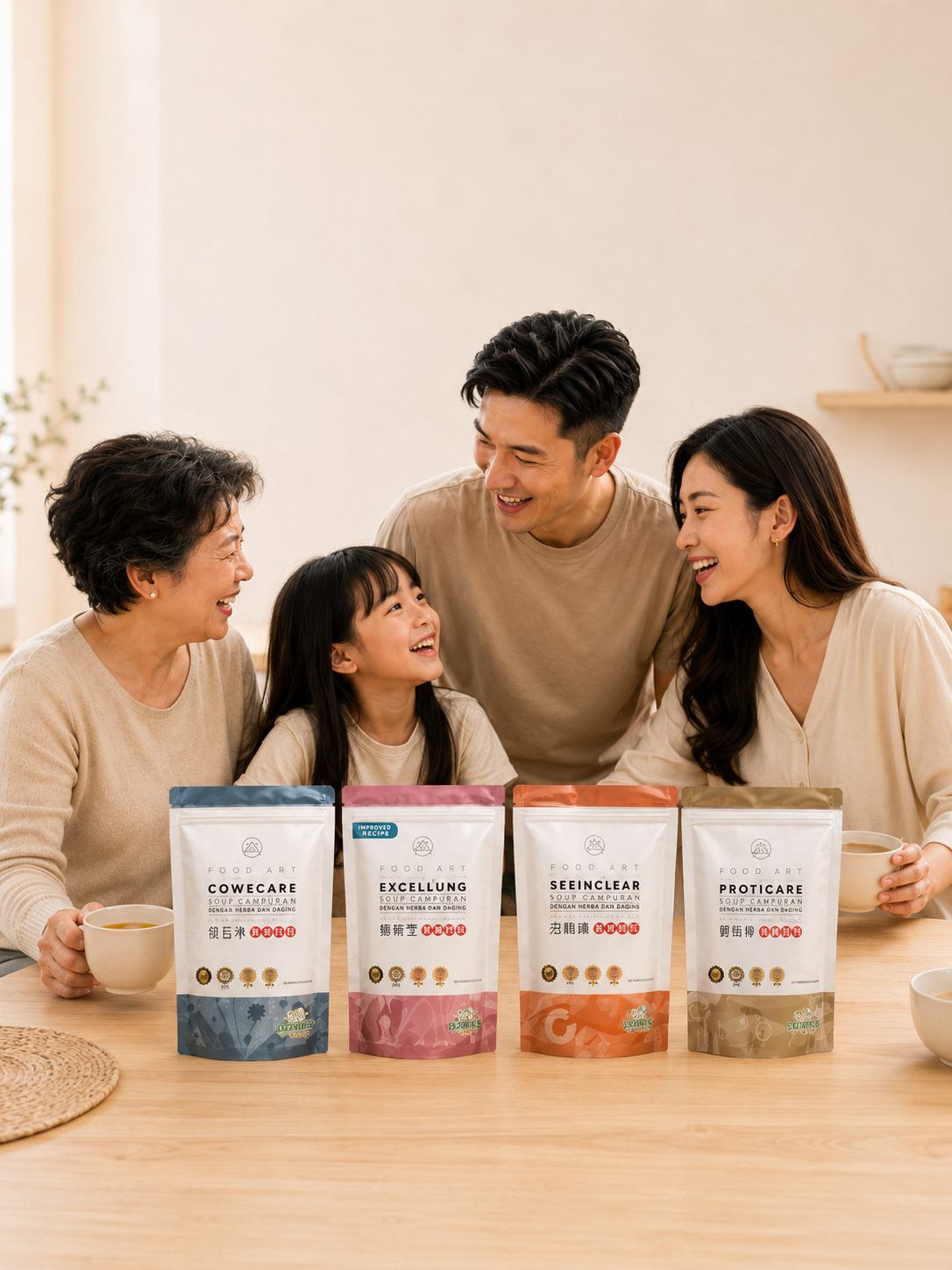
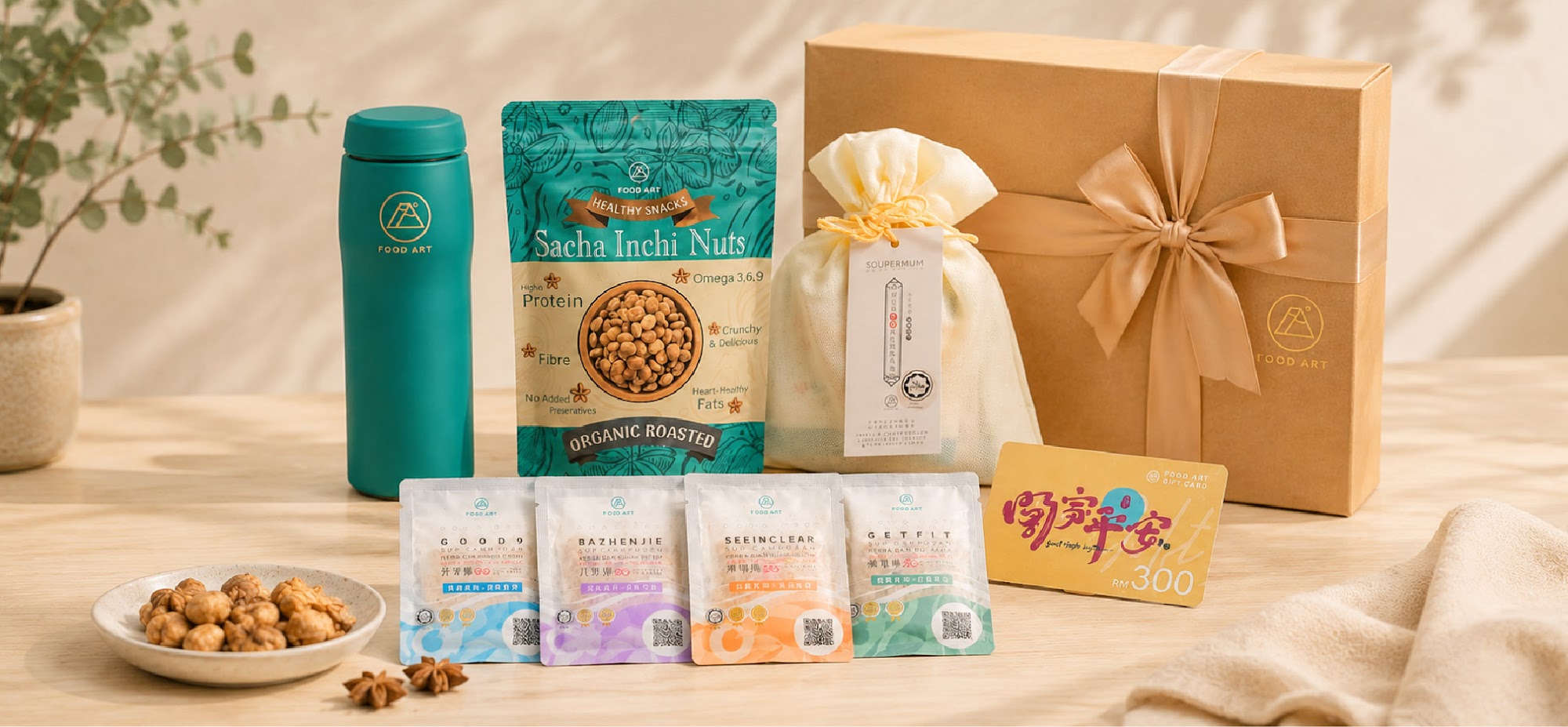
Akar Licorice adalah ramuan utama dalam sup herba Food Art tanpa masak, yang dirumus dengan teliti untuk memberikan khasiatnya dalam format mudah dan sedia dibancuh.


Maklumat yang disediakan di halaman ini adalah untuk tujuan pendidikan dan rujukan sahaja dan tidak boleh dianggap sebagai nasihat perubatan. Sila dapatkan nasihat daripada profesional penjagaan kesihatan yang bertauliah sebelum menggunakan sebarang produk herba.