




Sweet Apricot Seeds
The gentle southern apricot seed — moistening the Lungs, easing coughs, and loosening the bowels with mild, nourishing warmth.

What Is Sweet Apricot Seeds?
Sweet Apricot Seeds (南杏仁, Nán Xìng Rén) is the large, sweet-tasting seed kernel of the southern variety of Prunus armeniaca. Unlike the bitter northern apricot seed (北杏仁, Běi Xìng Rén), the southern variety is lower in amygdalin, making it safe for use in larger quantities, in foods, and by children. With a sweet, slightly warm nature, it gently moistens the Lungs, stops cough, and lubricates the intestines.
Nán Xìng Rén is a staple of Cantonese cooking and herbal soup culture, where it is routinely combined with Běi Xìng Rén in the classic ratio of 3:1 (South:North) to balance moistening action with descending cough-relieving power. It is particularly well suited to dry coughs, coughs in the elderly, and constipation from intestinal dryness. In everyday cuisine, it forms the base of almond paste desserts and restorative soups.
History & Origin
Apricot seeds have been used in Chinese medicine for millennia. The distinction between sweet (southern) and bitter (northern) types was formally codified in the Song dynasty and became a cornerstone of Cantonese food-medicine culture.
Traditional Uses
Dry Lung Cough
Moistens Lung dryness and stops cough, particularly suited to dry, unproductive coughs associated with autumn dryness or Yin deficiency.
Cough in the Elderly
Gentle enough for long-term use, it nourishes Lung fluids in the elderly who suffer from chronic dry cough and weak constitution.
Intestinal Dryness & Constipation
Lubricates the Large Intestine to ease dry, difficult bowel movements, especially in those with Yin or fluid deficiency.
Classic Almond Soup
Used in the signature Cantonese dessert soup with rock sugar and snow fungus to nourish Yin, moisten the Lungs, and soothe the throat.
Pairing with North Apricot Seed
Classically combined with Běi Xìng Rén (3:1 ratio) to enhance cough-stopping and descending action while maintaining a gentle, nourishing character.
Skin Nourishment
In food therapy, regular consumption of sweet apricot seed is associated with moistening the skin from within, reflecting the Lung's governance of the skin.
Health Benefits
-
Moistens the LungsNourishes Lung fluids to relieve dry cough, scratchy throat, and dryness of the respiratory tract.
-
Soothes Chronic CoughGently descends Lung Qi and stops cough without the drying effects of harsher herbs, suitable for prolonged use.
-
Lubricates the IntestinesMoistens intestinal dryness to ease constipation, supporting smooth bowel movement naturally.
-
Safe for Daily Food UseLower amygdalin content makes it safe for culinary use, soups, and desserts without restriction.
-
Supports Skin RadianceIn food therapy, Lung-moistening herbs are linked to softer, more hydrated skin through the Lung-skin relationship in TCM.
Soups Featuring Sweet Apricot Seeds
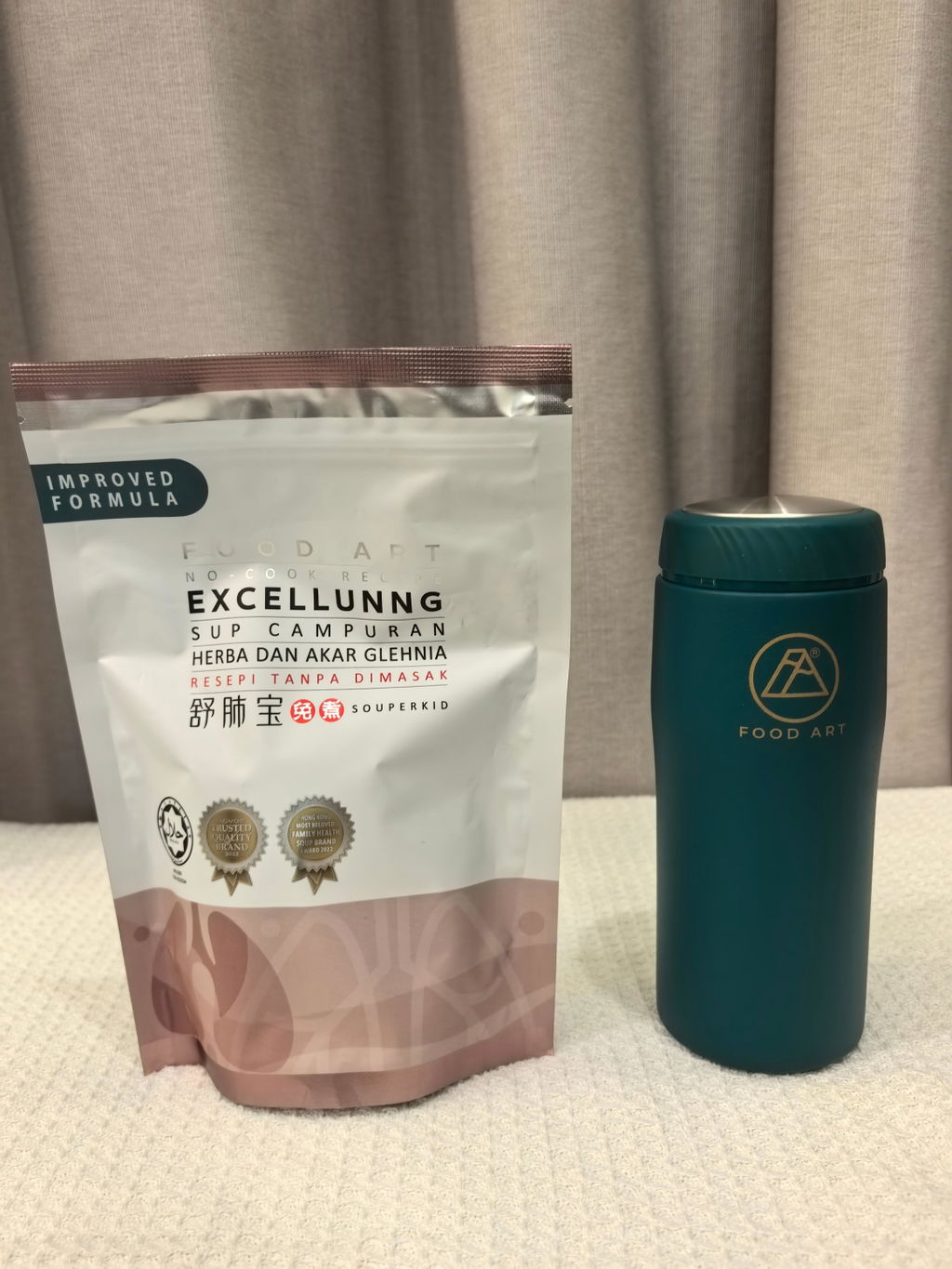
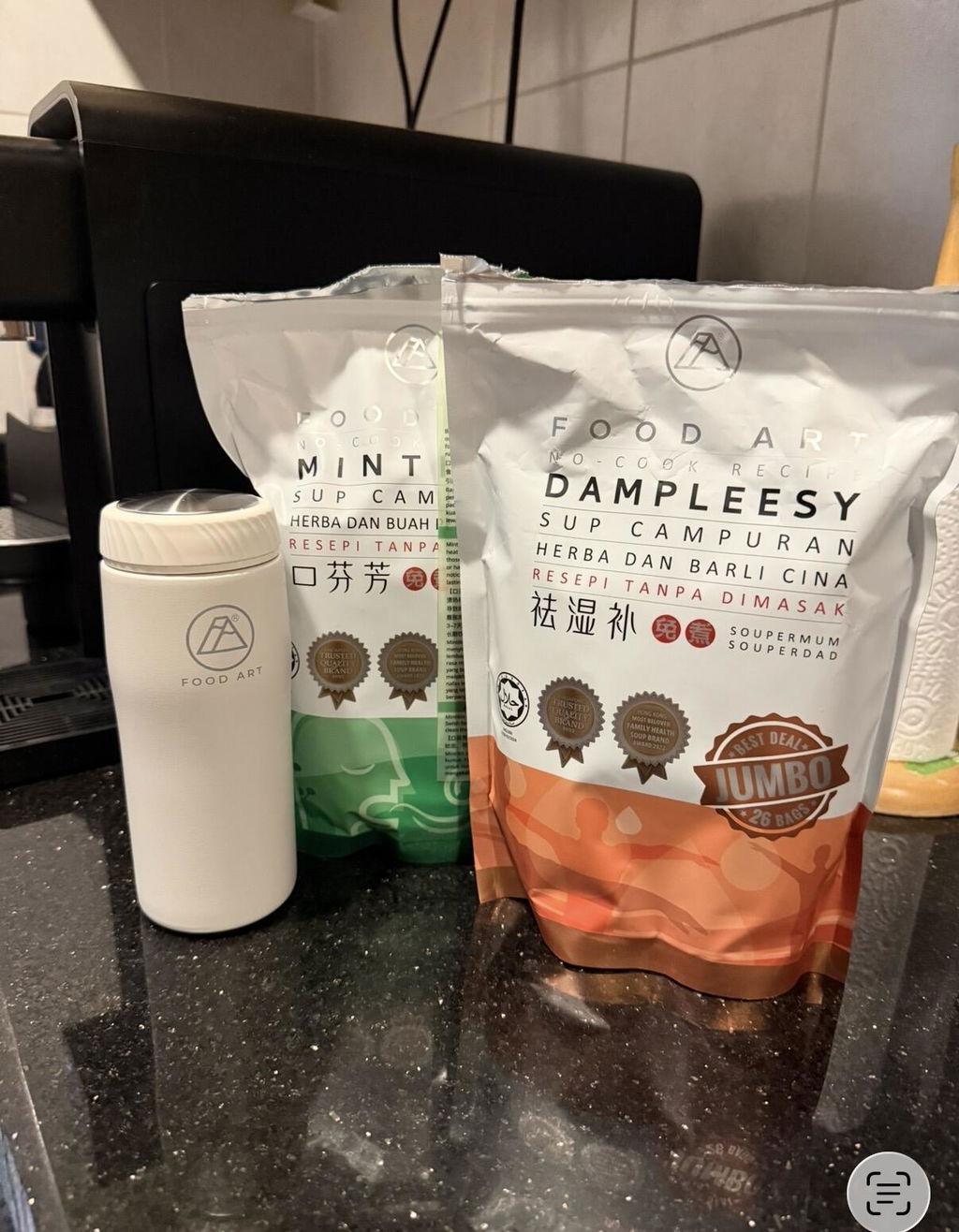
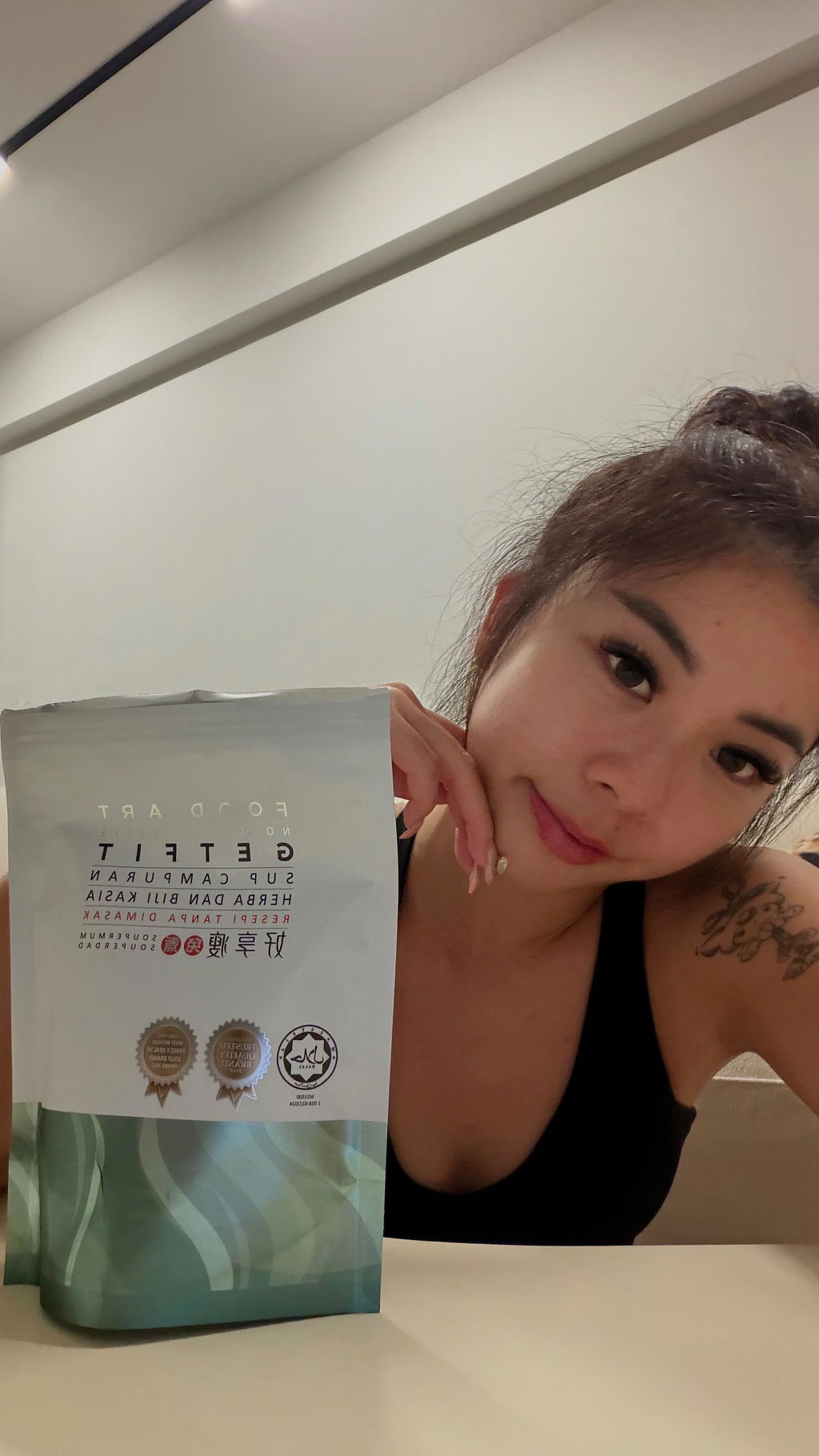
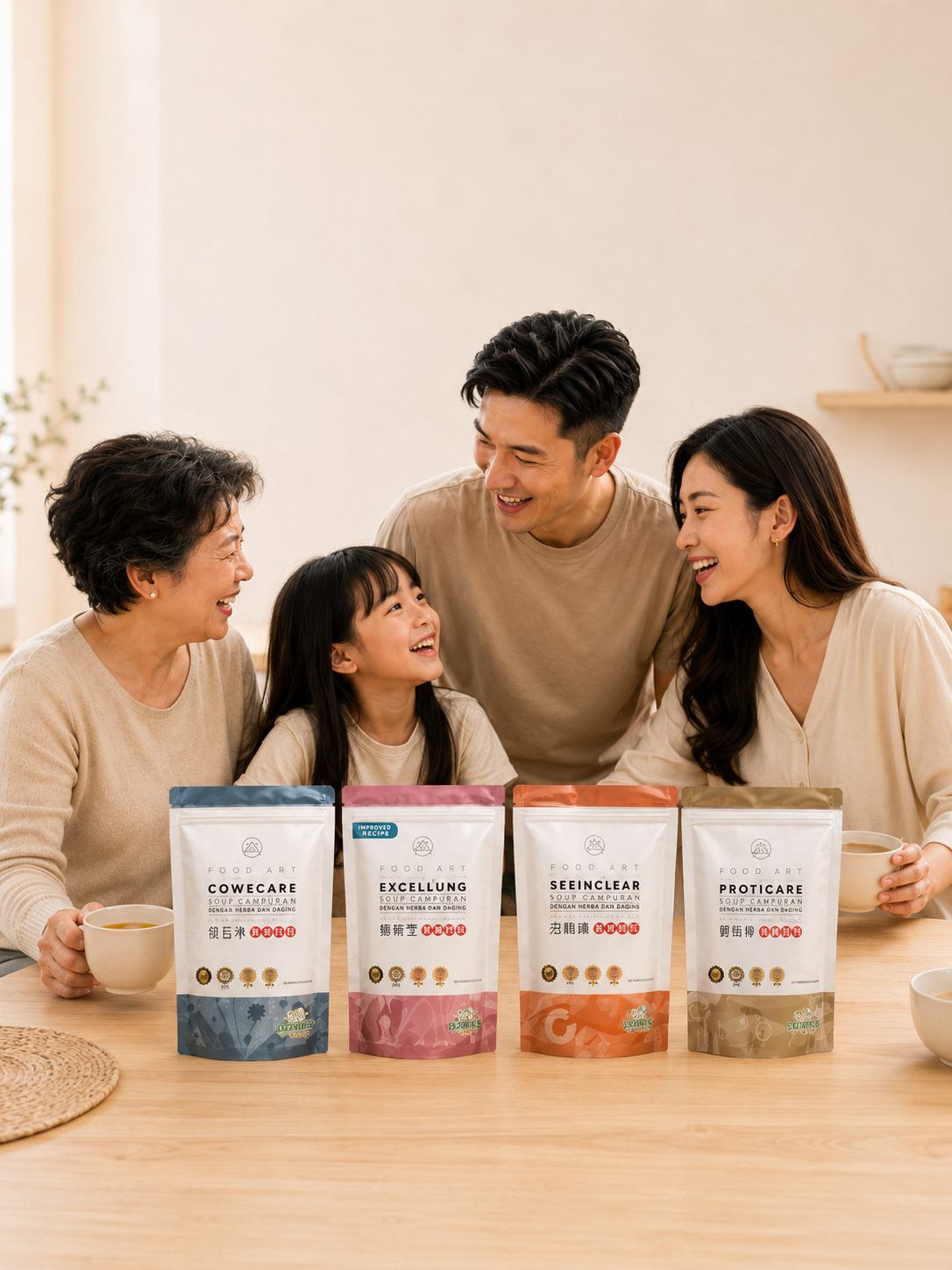
Sweet Apricot Seed is a key ingredient in these Food Art no-cook herbal soups, thoughtfully formulated to provide its nourishing qualities in a convenient, ready-to-brew format.


The information provided on this page is for educational and informational purposes only and does not constitute medical advice. Please consult a qualified healthcare professional before using any herbal products.