





Dehydrated Carrot
Concentrated dried carrot — a food therapy staple that nourishes the eyes, strengthens the Spleen, clears intestinal accumulation, and delivers a powerful dose of beta-carotene in every serving.

What Is Dehydrated Carrot?
Dehydrated Carrot (脱水红萝卜, Tuō Shuǐ Hóng Luó Bo) is the dried form of Daucus carota, the common carrot, a biennial root vegetable in the Apiaceae (carrot) family cultivated worldwide. The name Hú Luó Bo — literally 'barbarian radish' — reflects the carrot's introduction to China from Central Asia via the Silk Road, distinguishing it from native Chinese radish varieties. Dehydration removes water while concentrating the carrot's natural sugars, flavour, and most importantly its fat-soluble antioxidants — primarily beta-carotene, the pigment responsible for its vivid orange colour and the principal provitamin A compound in the human diet.
In traditional Chinese food therapy and medicine, the carrot is classified as sweet and neutral in flavour and nature, entering the Lung, Spleen, and Liver channels. It is used to strengthen the Spleen and Stomach, benefit the Liver and eyes (through its Liver-nourishing beta-carotene content), clear intestinal accumulation such as roundworms and indigestion in children, and moisten the Lung to relieve cough. Dehydrated carrot is valued in herbal soups and congees because the drying process concentrates nutrients and gives the carrot a chewy, flavourful texture that releases its sweetness slowly into broths. Modern nutrition confirms that dehydrated carrot retains essentially all its beta-carotene, fibre, and mineral content, making it a convenient, shelf-stable superfood ingredient.
History & Origin
The carrot (Hu Luo Bo) reached China from Central Asia around the Yuan dynasty; in Chinese food therapy it is valued for strengthening the Spleen, aiding digestion, and benefiting the eyes.
Traditional Uses
Eye Health & Liver Nourishment
High beta-carotene content converts to vitamin A in the body, supporting retinal health and night vision; aligns with TCM use of the carrot to benefit the Liver and brighten the eyes.
Spleen & Digestive Strengthening
Sweet-neutral nature tonifies the Spleen and Stomach, improving digestion, nutrient absorption, and appetite — particularly useful in soups for children or individuals with weak digestive function.
Intestinal Accumulation Clearing
Classical TCM use for clearing intestinal accumulation (food stagnation, parasites in children); beta-carotene and fibre support a healthy gut environment and regular bowel transit.
Lung Moistening & Cough Relief
Enters the Lung channel to moisten Lung dryness and provide nutritive support for mild dry cough, especially in autumn when Lung dryness is seasonal.
Antioxidant & Skin Health
Beta-carotene and other carotenoids protect cells from oxidative damage, support healthy skin pigmentation, and reinforce immune defences — aligned with the carrot's classical role in nourishing Blood and Qi.
Health Benefits
-
Eye & Vision SupportOne of the richest plant sources of beta-carotene (provitamin A), directly supporting retinal health, low-light vision, and Liver Yin nourishment for the eyes in TCM terms.
-
Spleen & Digestive TonicSweet-neutral properties strengthen Spleen function, support healthy digestion, improve appetite, and assist nutrient absorption — ideal in daily soups and congees for the whole family.
-
Antioxidant ProtectionBeta-carotene, lutein, and other carotenoids in concentrated form provide robust free-radical protection, supporting immune function and reducing oxidative stress.
-
Lung MoisteningNourishes Lung Yin and gently moistens Lung dryness, offering seasonal support for dry cough and throat irritation, particularly during autumn.
-
Nutrient ConcentrationDehydration concentrates fibre, potassium, vitamin K, B vitamins, and carotenoids into a shelf-stable, flavourful ingredient that delivers exceptional nutritional value per gram in soups and broths.
Soups Featuring Dehydrated Carrot
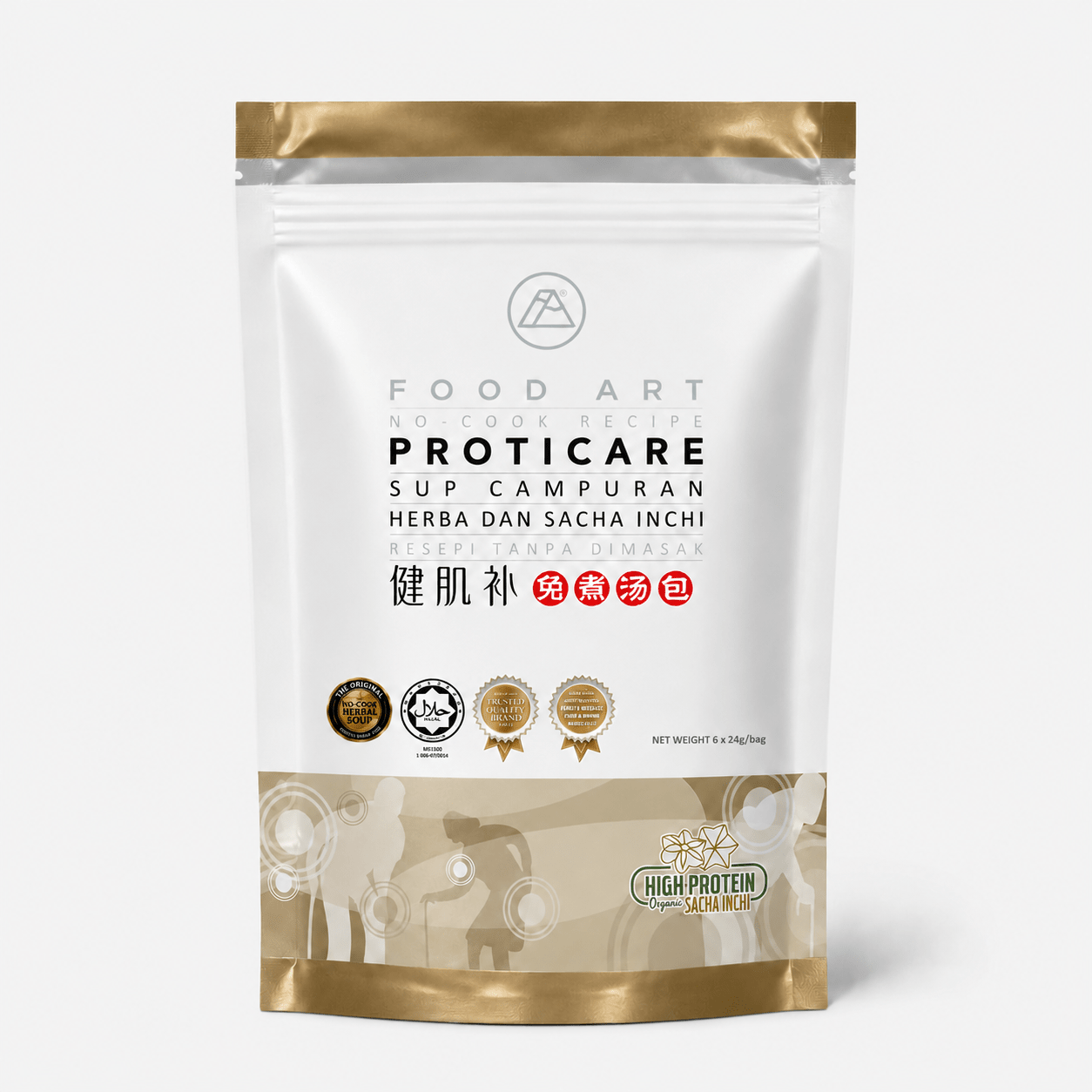
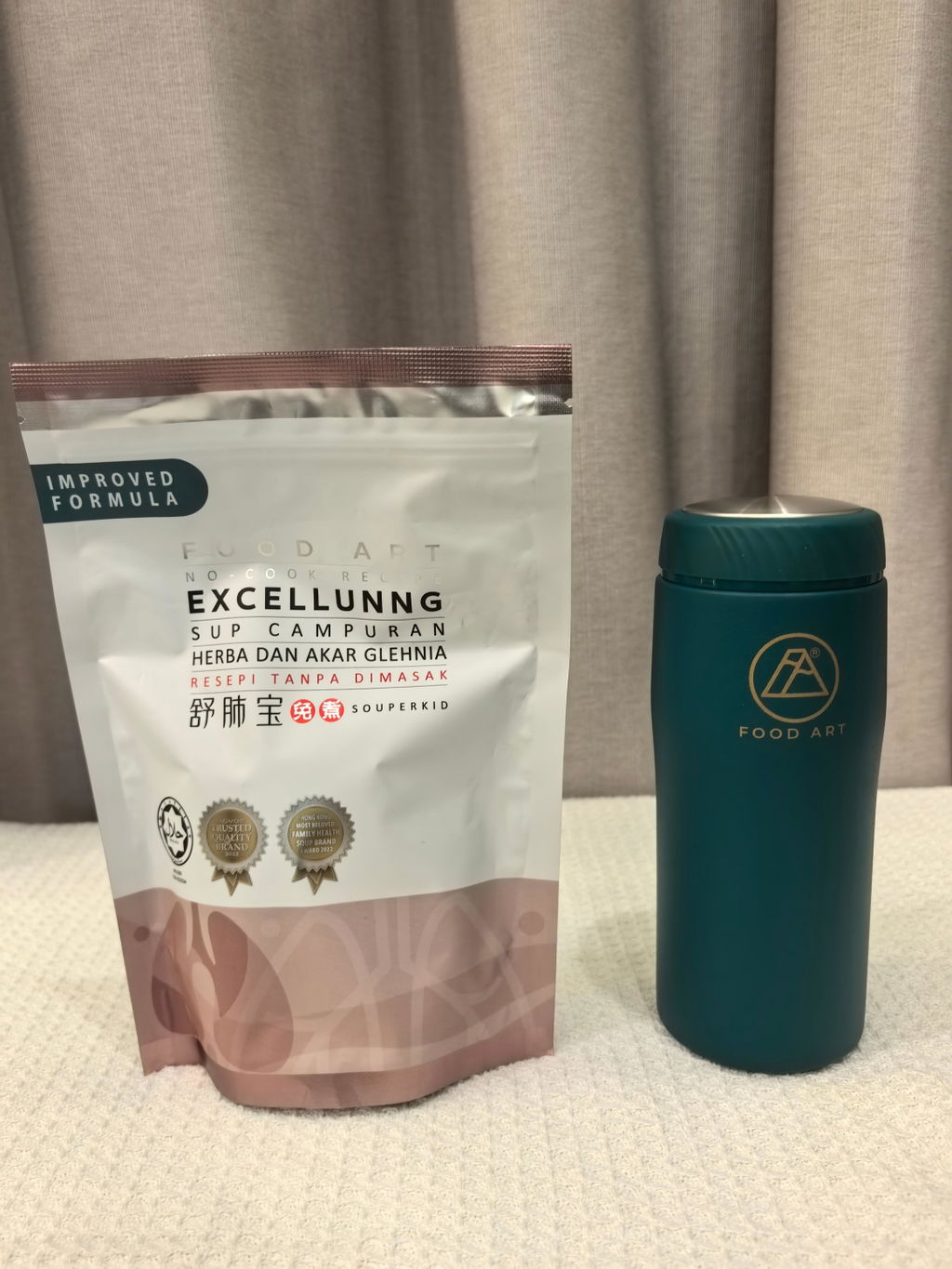
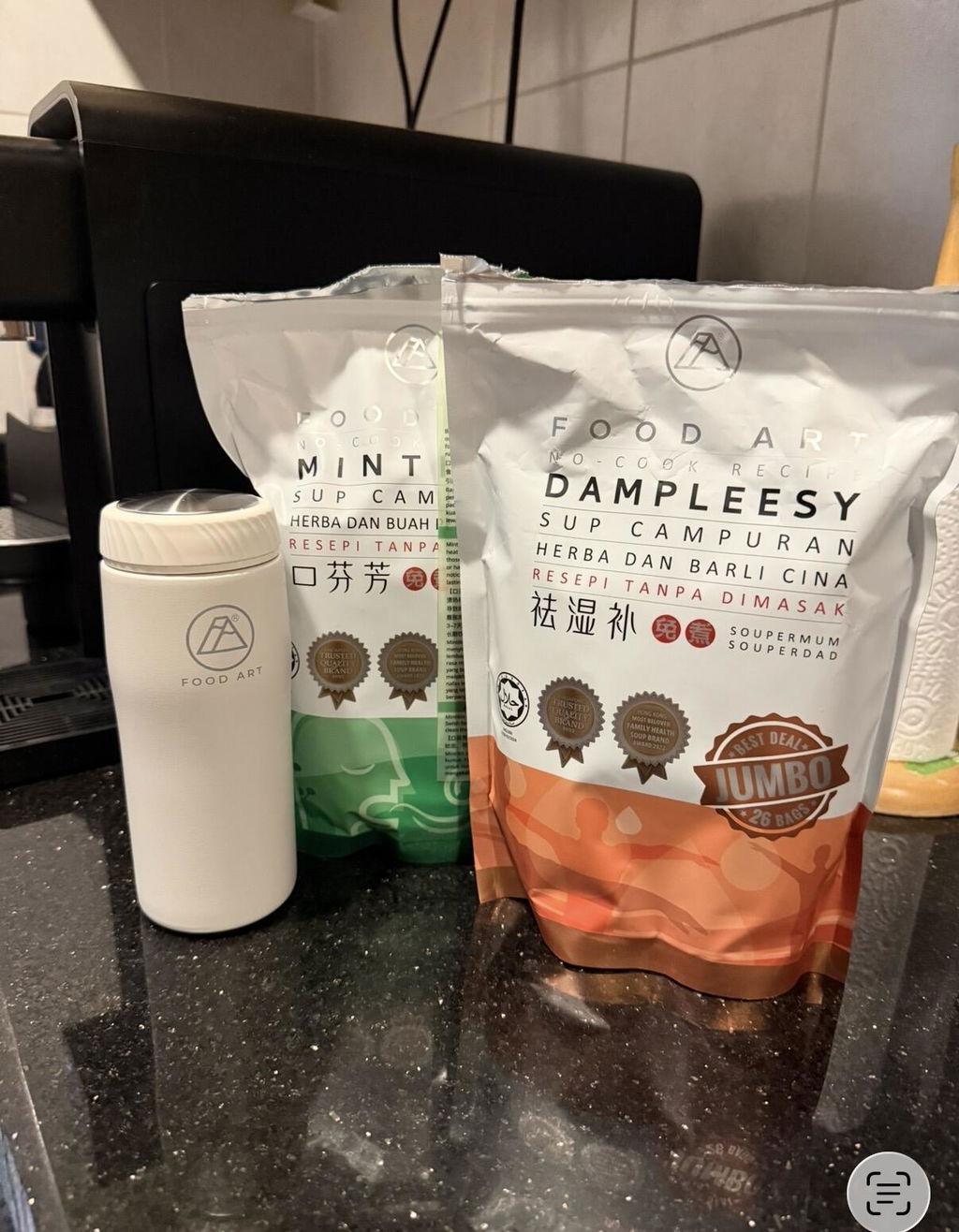
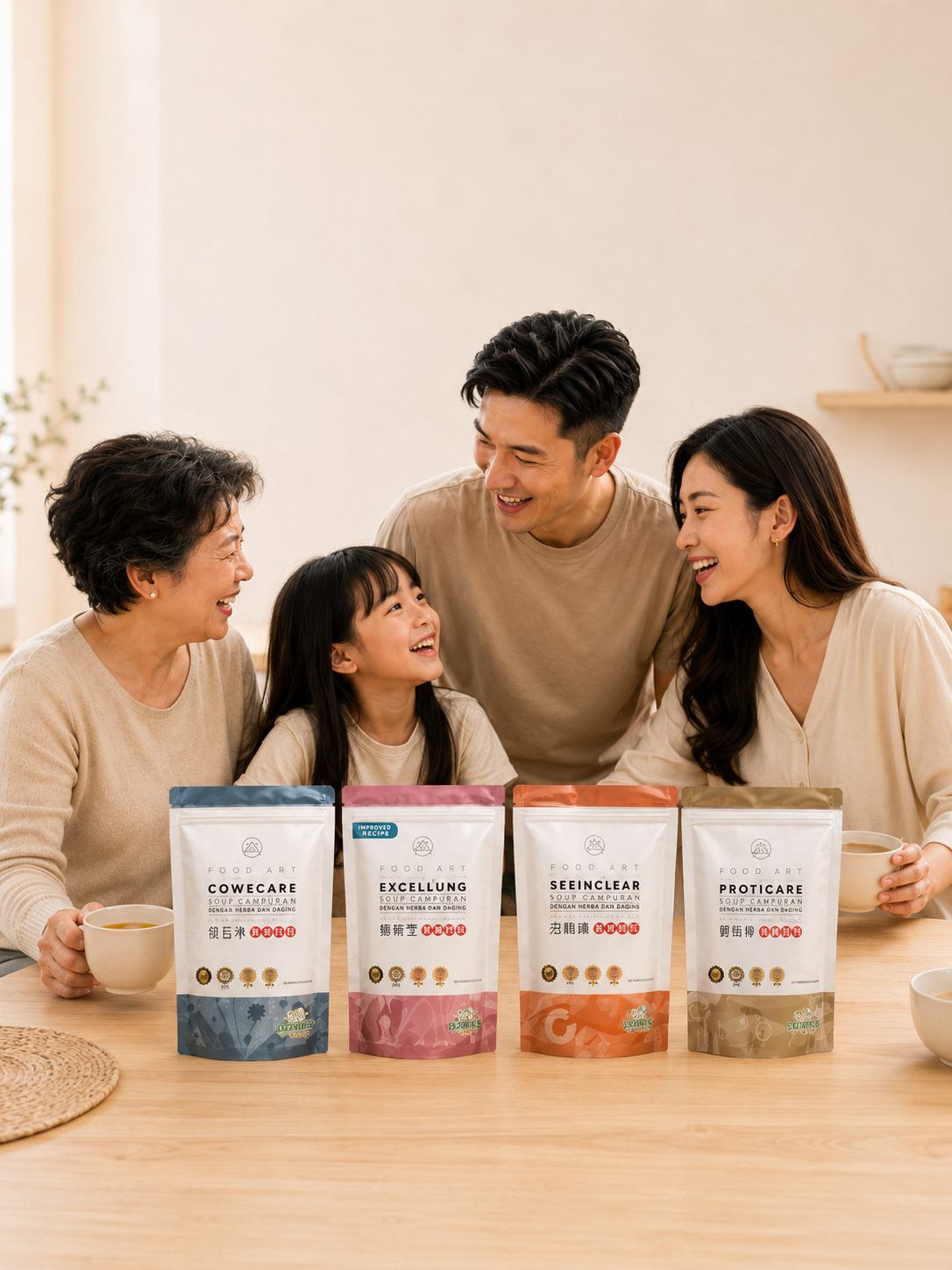
Dehydrated Carrot is a key ingredient in these Food Art no-cook herbal soups, thoughtfully formulated to provide its nourishing qualities in a convenient, ready-to-brew format.

The information provided on this page is for educational and informational purposes only and does not constitute medical advice. Please consult a qualified healthcare professional before using any herbal products.