




Radix Astragali
The great Qi builder and Wei (defensive) energy fortifier — Astragalus membranaceus strengthens the Spleen, secures the body's surface, and raises the energy of life.

What Is Radix Astragali?
Radix Astragali (黄芪, Huáng Qí) is the dried root of Astragalus membranaceus, one of the most important tonic herbs in the entire Chinese materia medica and one of the most extensively researched traditional medicinal plants in modern science. Sweet and slightly warm, it acts primarily on the Spleen and Lung channels to tonify the Middle Qi, raise Spleen-Stomach energy, and fortify the Wei Qi (defensive Qi) that circulates at the body's surface to protect against external pathogenic invasion. It is considered the foremost herb for consolidating the Exterior and is indispensable in conditions of Qi deficiency with spontaneous sweating.
Astragalus has a remarkable range of clinical applications extending from simple fatigue and poor digestion to prolapse, non-healing wounds, oedema, and deficiency fevers. In modern integrative medicine, it has become one of the most popular immune-supporting botanical adaptogens, with clinical research demonstrating immunomodulatory, anti-inflammatory, antioxidant, antiviral, cardioprotective, and anti-ageing effects. Astragalosides — particularly astragaloside IV — have attracted significant interest for their telomerase-activating activity, suggesting potential applications in cellular longevity.
History & Origin
Astragalus root has been elevated to the highest rank of tonic herbs throughout Chinese medical history, consistently praised across dynasties for its ability to strengthen the life force, secure the exterior, and restore depleted energy in the young and old alike.
Traditional Uses
Spleen & Lung Qi Deficiency
The primary herb for tonifying the Middle Qi to relieve fatigue, shortness of breath, weak voice, poor appetite, and loose stools from Spleen-Lung Qi insufficiency.
Wei Qi Deficiency (Recurrent Colds)
Fortifies the body's defensive surface energy to reduce susceptibility to colds, flu, and external pathogen invasion; the chief herb of Yu Ping Feng San.
Spontaneous Sweating from Deficiency
Consolidates the Exterior and secures the pores to stop spontaneous sweating during the day that arises from Wei Qi and Spleen Qi deficiency.
Prolapse of Internal Organs
Raises sunken Middle Qi to address prolapse of the stomach, uterus, rectum, or kidney arising from chronic Spleen Qi deficiency with sinking tendency.
Non-Healing Wounds & Ulcers
Tonifies Qi and Blood to support tissue regeneration and promote healing of chronic wounds, diabetic ulcers, and long-standing sores that fail to close.
Oedema & Water Retention
Tonifies Spleen Qi to improve fluid metabolism and promote urination, addressing oedema from deficiency of Spleen's water-transforming function.
Health Benefits
-
Boosts Qi & EnergyPowerfully tonifies Spleen and Lung Qi to relieve fatigue, weakness, shortness of breath, and poor stamina from Qi deficiency.
-
Strengthens Immune DefenceFortifies Wei Qi and modulates immune function to reduce susceptibility to colds, infections, and external pathogenic factors.
-
Stops Spontaneous SweatingConsolidates the Exterior and secures the skin's pores to prevent inappropriate sweating from Wei Qi insufficiency.
-
Promotes Tissue HealingStimulates regeneration of skin and connective tissue, supporting recovery of chronic wounds, ulcers, and post-surgical healing.
-
Adaptogenic & Anti-AgeingAstragalosides activate telomerase and demonstrate anti-ageing, anti-inflammatory, and cellular protective effects in modern research.
Soups Featuring Radix Astragali
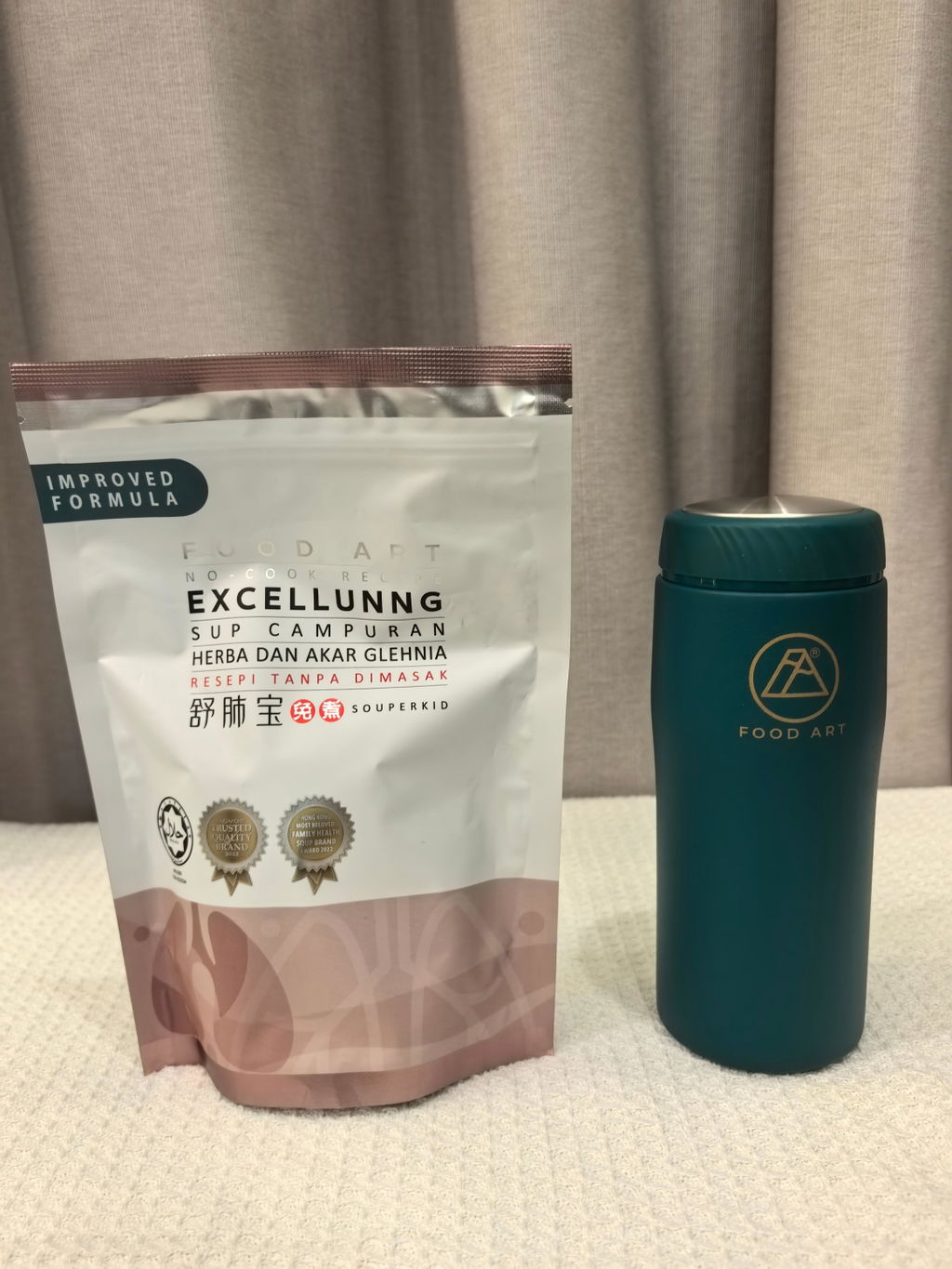
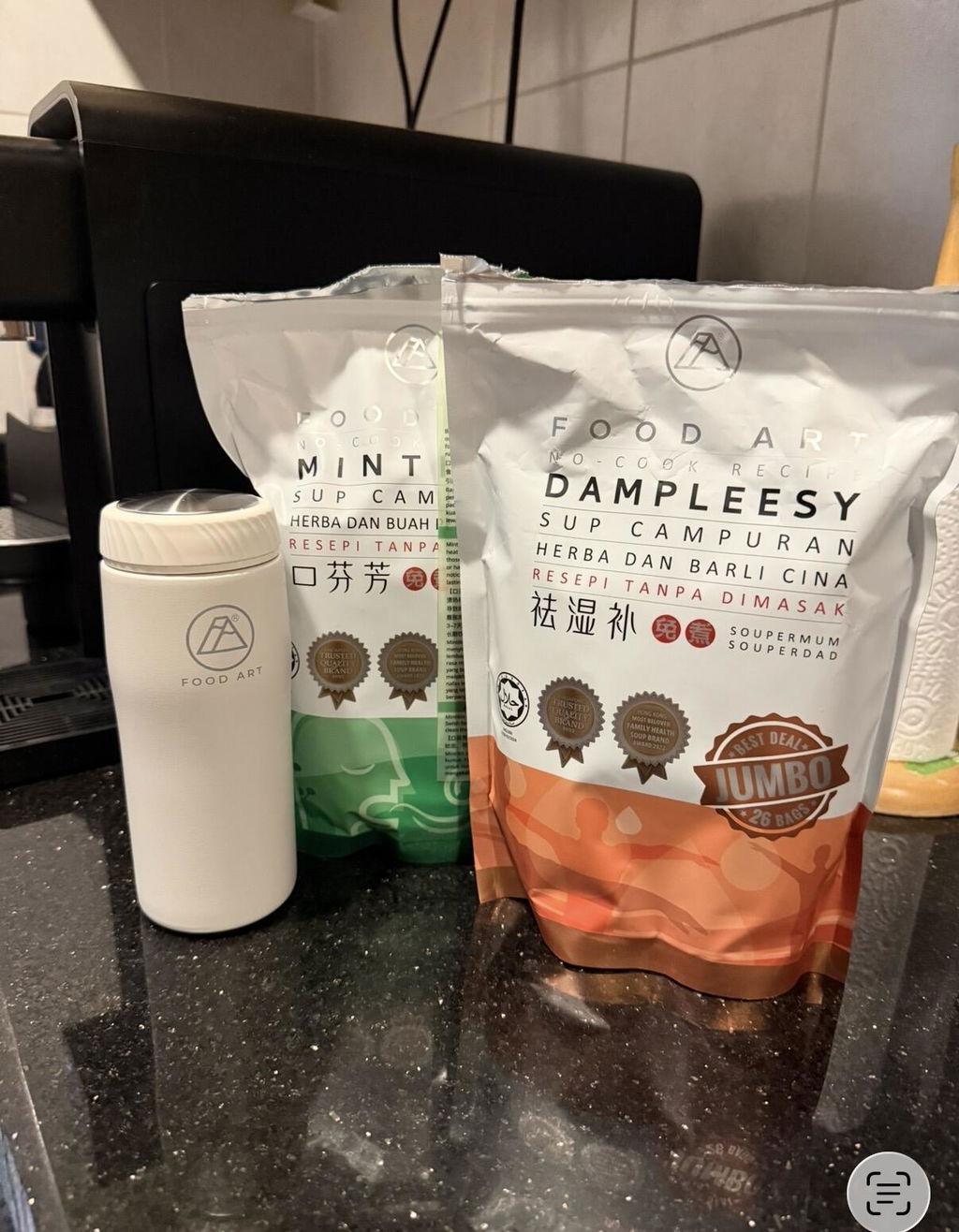
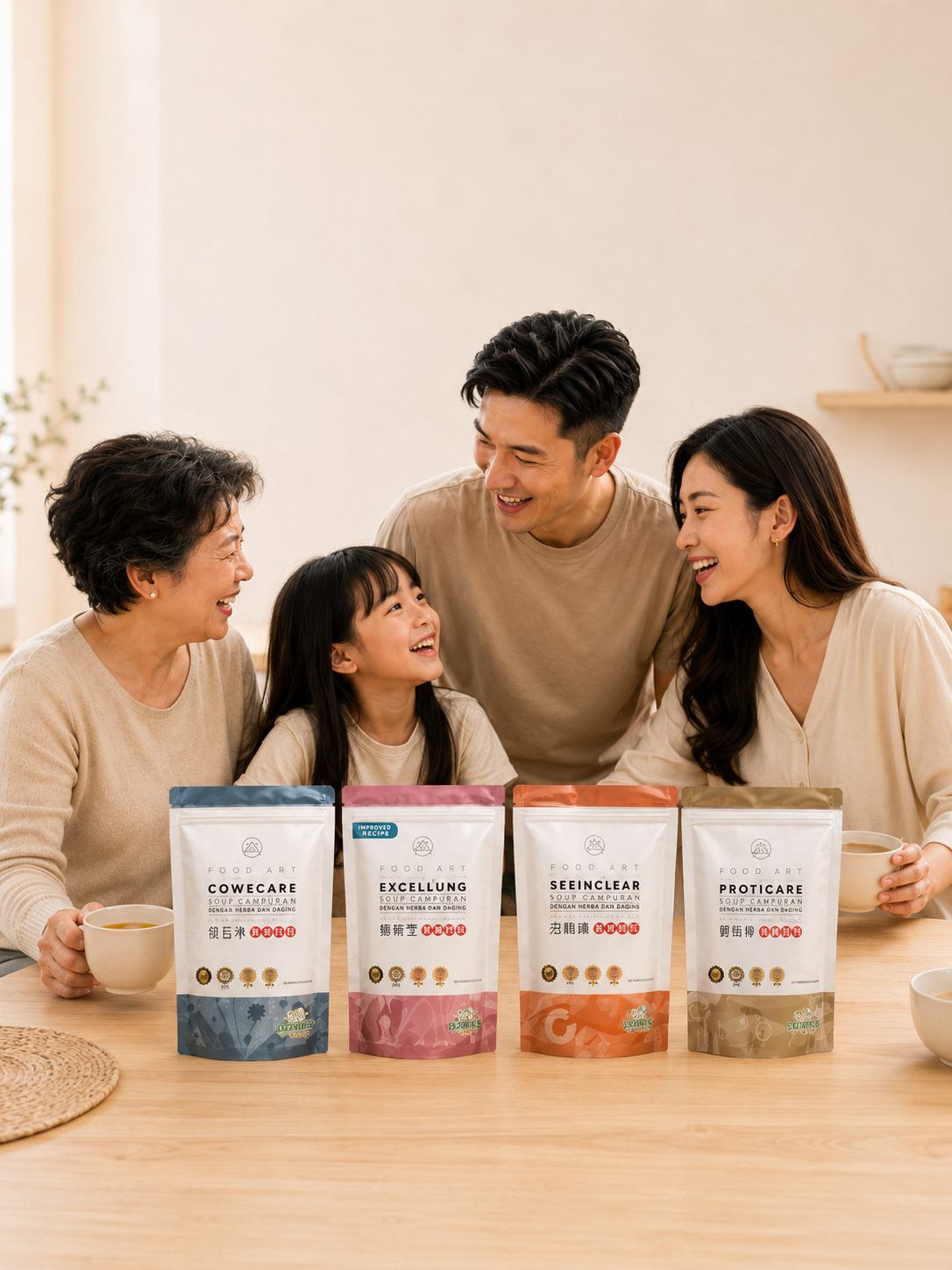
Radix Astragali is a key ingredient in these Food Art no-cook herbal soups, thoughtfully formulated to provide its nourishing qualities in a convenient, ready-to-brew format.


The information provided on this page is for educational and informational purposes only and does not constitute medical advice. Please consult a qualified healthcare professional before using any herbal products.