


Radix Cyathulae
The Sichuan ox-knee root — named for its knotted, knee-like joints, Radix Cyathulae invigorates Blood, descends rebellious Qi, and guides medicinals to the lower body.

What Is Radix Cyathulae?
Radix Cyathulae (川牛膝, Chuān Niú Xī — 'Sichuan ox-knee') is the root of Cyathula officinalis, native to Sichuan province and neighbouring regions of China. It is distinguished from Achyranthes bidentata (Huai Niu Xi / Radix Achyranthis) by its stronger Blood-invigorating and channel-opening actions with comparatively less Liver-Kidney tonifying effect. Sweet, slightly bitter, and neutral, it enters the Liver and Kidney channels with a pronounced downward-directing action, making it invaluable for guiding other herbs downward in the body, descending fire or rebellious Qi, and moving Blood stasis in the lower burner, joints, and limbs.
Chuān Niú Xī is a key herb in formulas for painful obstruction of the lower limbs, traumatic injury with Blood stasis, urinary difficulty with pain, and conditions of Qi and Blood rebelling upward such as headaches, dizziness, and haemorrhage from excess heat. Its downward-leading property is one of the most important guiding actions in the TCM pharmacopoeia — combining it with other herbs directs their therapeutic effect toward the lower body, lower limbs, and urogenital system. Modern research confirms anti-inflammatory, analgesic, immunomodulatory, and osteoprotective effects in its active compounds including ecdysteroids and polysaccharides.
History & Origin
The Niu Xi group of herbs (both Sichuan and Huai varieties) has been fundamental to Chinese medical practice for conditions affecting the lower body, joints, and Blood circulation for over two thousand years, with the Sichuan variety prized for its especially vigorous Blood-moving action.
Traditional Uses
Blood Stasis in the Lower Burner
Invigorates Blood and dispels stasis in the lower abdomen, pelvis, and lower limbs, relieving fixed pain, dysmenorrhoea, and amenorrhoea from blood stagnation.
Painful Obstruction of Lower Limbs
Opens the channels and moves Blood in the joints and sinews of the lower extremities to relieve pain, stiffness, and weakness in the legs, knees, and ankles.
Descending Rebellious Fire & Qi
Guides ascending fire or Qi downward to relieve headaches, dizziness, toothache, bleeding gums, haemoptysis, and epistaxis from heat driving Blood upward.
Urinary Difficulty & Lin Syndrome
Promotes urination and clears damp-heat in the lower burner to relieve painful, difficult, or bloody urination in Lin (urinary obstruction) syndromes.
Traumatic Injury & Bruising
Invigorates Blood and disperses local stasis from trauma, reducing bruising, swelling, and pain in musculoskeletal injuries.
Guiding Formula to Lower Body
Used as an envoy herb to direct other medicinals' actions toward the lower body, lower limbs, and urogenital system in complex formulas.
Health Benefits
-
Invigorates Blood & Disperses StasisPowerfully moves Blood in the lower burner and extremities to relieve pain, promote healing, and restore circulation in stasis patterns.
-
Guides Qi & Blood DownwardRedirects ascending fire and rebellious Qi downward to relieve headaches, dizziness, and bleeding from heat driving fluids upward.
-
Benefits the Lower LimbsOpens channels in the lower extremities to relieve joint pain, weakness, and stiffness in the legs, knees, and ankles from Bi syndrome.
-
Clears Lower Burner Damp-HeatPromotes urinary flow and clears damp-heat to relieve urinary pain, difficulty, and blood in the urine from Lin syndrome.
-
Bone & Joint ProtectiveEcdysteroids demonstrate anti-inflammatory and osteoprotective effects in research, supporting use in arthritis and bone health conditions.
Soups Featuring Radix Cyathulae
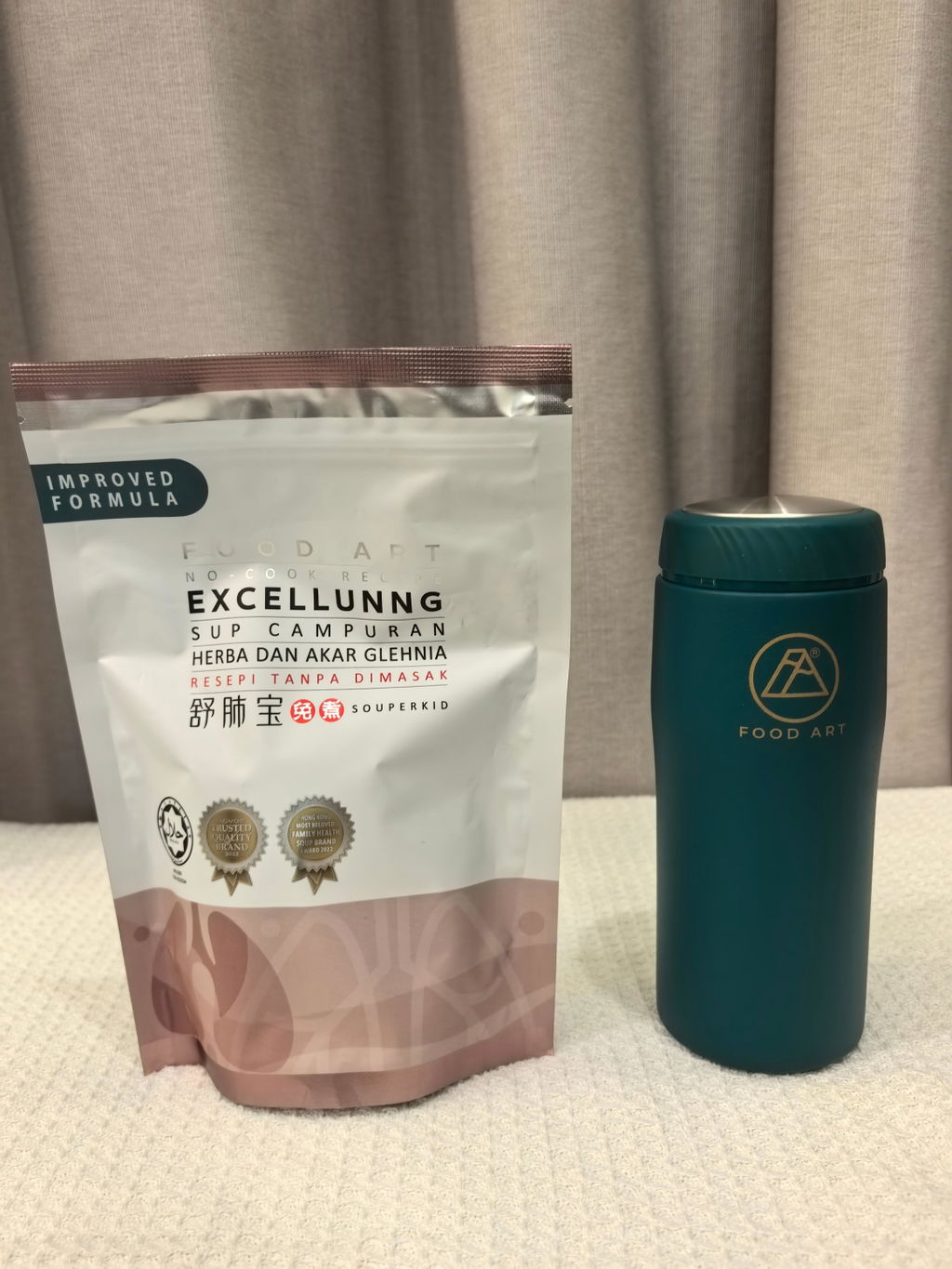
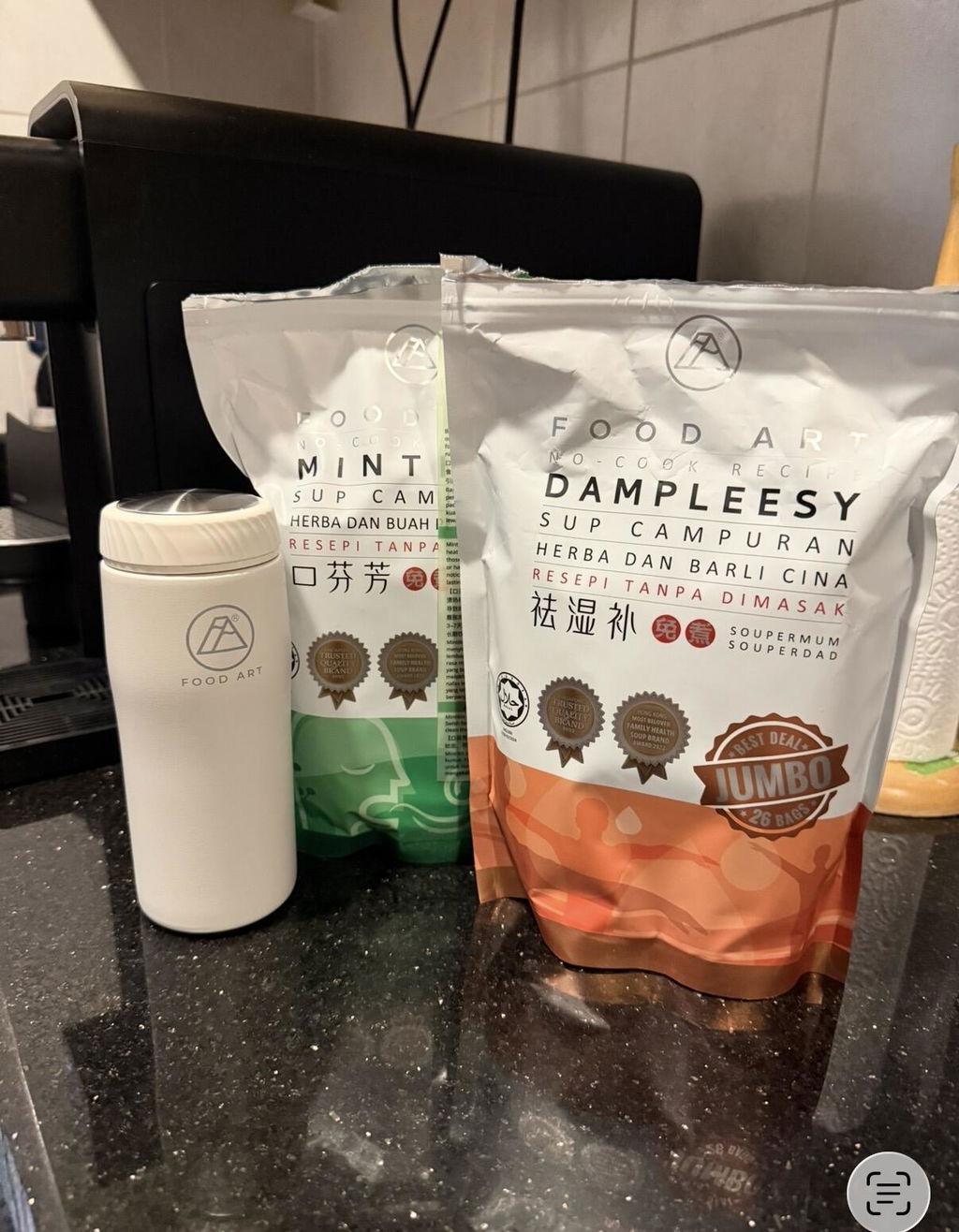
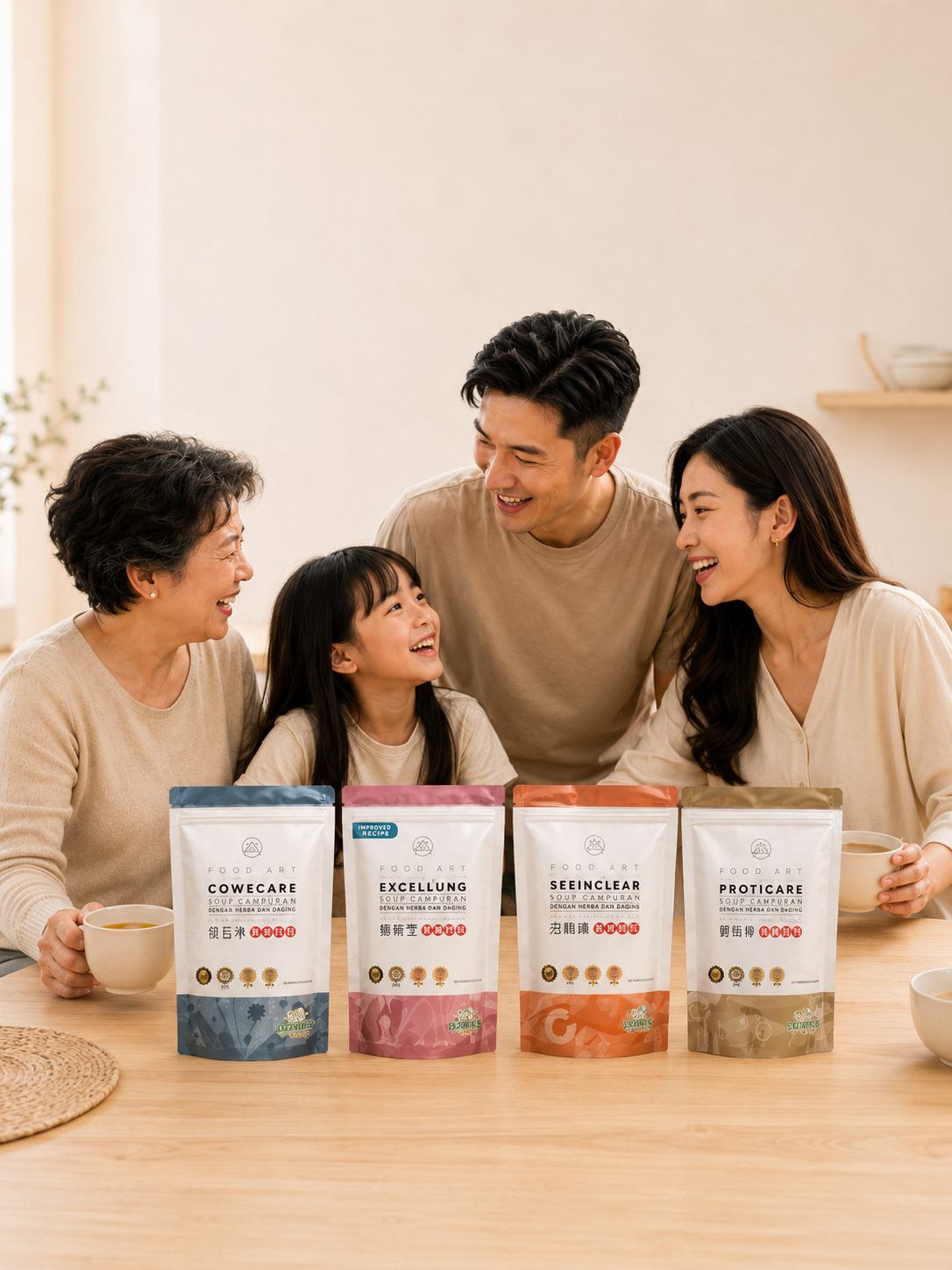
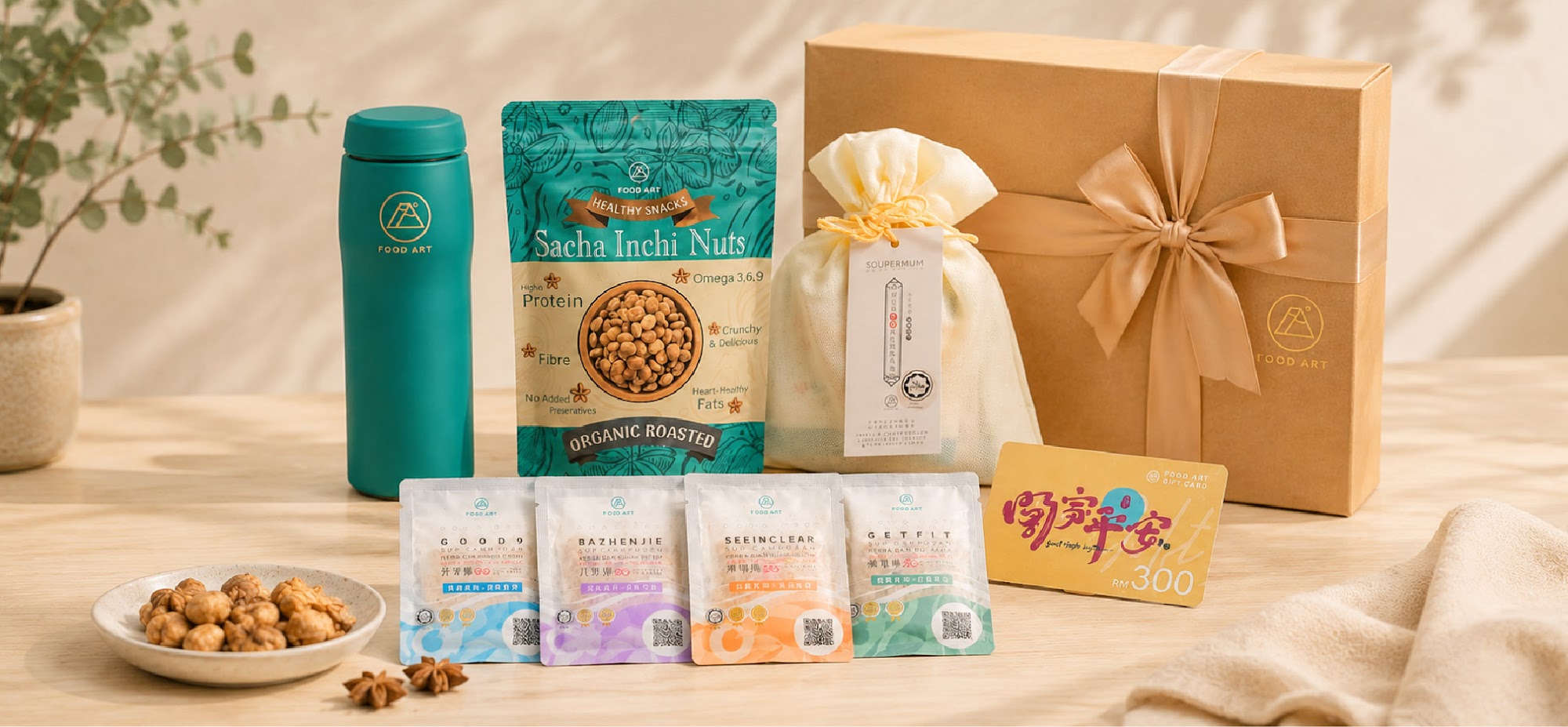
Radix Cyathulae is a key ingredient in these Food Art no-cook herbal soups, thoughtfully formulated to provide its nourishing qualities in a convenient, ready-to-brew format.

The information provided on this page is for educational and informational purposes only and does not constitute medical advice. Please consult a qualified healthcare professional before using any herbal products.