



Morinda
A deep-warming root that fortifies Kidney Yang, strengthens sinews and bones, and expels the cold Dampness that dims vital fire.

What Is Morinda?
Morinda Root (巴戟天, Bā Jǐ Tiān) is the dried root of Morinda officinalis, a climbing vine native to the tropical and subtropical forests of Guangdong, Guangxi, and Fujian provinces in southern China. The root is distinctive for its fleshy, jointed appearance and characteristic purple-reddish colour when fresh. After harvest, it is processed by removing the woody core and often salt-frying or wine-processing to enhance its tonic properties and moderate its mildly acrid character. Morinda is one of the most important Yang-tonifying herbs in the Chinese materia medica, prized for its ability to warm the Kidneys deeply without being harsh or excessively drying.
In Traditional Chinese Medicine, Morinda Root enters the Kidney and Liver meridians with a sweet, acrid, and slightly warm nature. Its principal actions are to tonify Kidney Yang, strengthen sinews and bones, and expel Wind-Cold-Dampness from the channels. This combination of tonic and dispelling actions is relatively unusual among Yang tonics and makes Morinda particularly valuable for patterns where Kidney Yang deficiency has allowed pathogenic Cold and Dampness to accumulate in the lower back, knees, and joints. It is frequently included in formulas for male reproductive health, menopausal Yang deficiency, and musculoskeletal complaints in older adults. Classical formulas such as Zan Yu Dan and Jin Gang Wan feature Morinda as a key ingredient.
History & Origin
Morinda Root has been a cornerstone of Kidney Yang tonification in Chinese medicine for over two thousand years. Indigenous to southern China, it was traded northward as a premium tonic herb and has maintained its position in the top tier of the Yang-supplementing materia medica across dynasties.
Traditional Uses
Tonifying Kidney Yang
Morinda is a principal herb for Kidney Yang deficiency, addressing symptoms such as cold limbs, low libido, fatigue, and low back weakness — particularly in men and post-menopausal women.
Male Reproductive Health
Used in formulas for impotence, spermatorrhoea, and premature ejaculation caused by Kidney Yang insufficiency, often combined with Epimedium (Yín Yáng Huò) and Cistanche (Ròu Cōng Róng).
Expelling Wind-Cold-Damp Bi
Its ability to warm the channels and expel Cold-Damp makes it valuable for joint pain, lower back ache, and weakness of the knees and sinews aggravated by cold and damp conditions.
Strengthening Bones & Sinews
Morinda benefits the Liver and Kidneys — the organ systems that govern bones and tendons — supporting musculoskeletal strength and resilience in older adults.
Uterine Cold & Infertility
Used for female infertility associated with Uterine Cold and Kidney Yang deficiency, helping to warm the lower burner and create a more hospitable environment for conception.
Menopausal Yang Deficiency
Incorporated into formulas for peri-menopausal and post-menopausal women experiencing cold intolerance, fatigue, urinary frequency, and low back pain from declining Kidney Yang.
Health Benefits
-
Kidney Yang FortificationDeeply warms and tonifies Kidney Yang, restoring vital fire, physical warmth, and reproductive vitality.
-
Bone & Sinew StrengthSupports the Liver’s governance of tendons and the Kidney’s governance of bones, maintaining structural integrity and flexibility.
-
Cold-Damp ExpulsionWarms the channels to dispel Wind-Cold-Damp pathogens that accumulate in joints and the lower back.
-
Vitality & StaminaRestores energy, reduces fatigue, and supports overall Yang vitality without the harsh, drying effects of more extreme warming herbs.
-
Gentle Warming ActionSweet nature moderates its warmth, making it a sustained, tonifying warm herb suitable for long-term use in deficiency patterns.
Soups Featuring Morinda
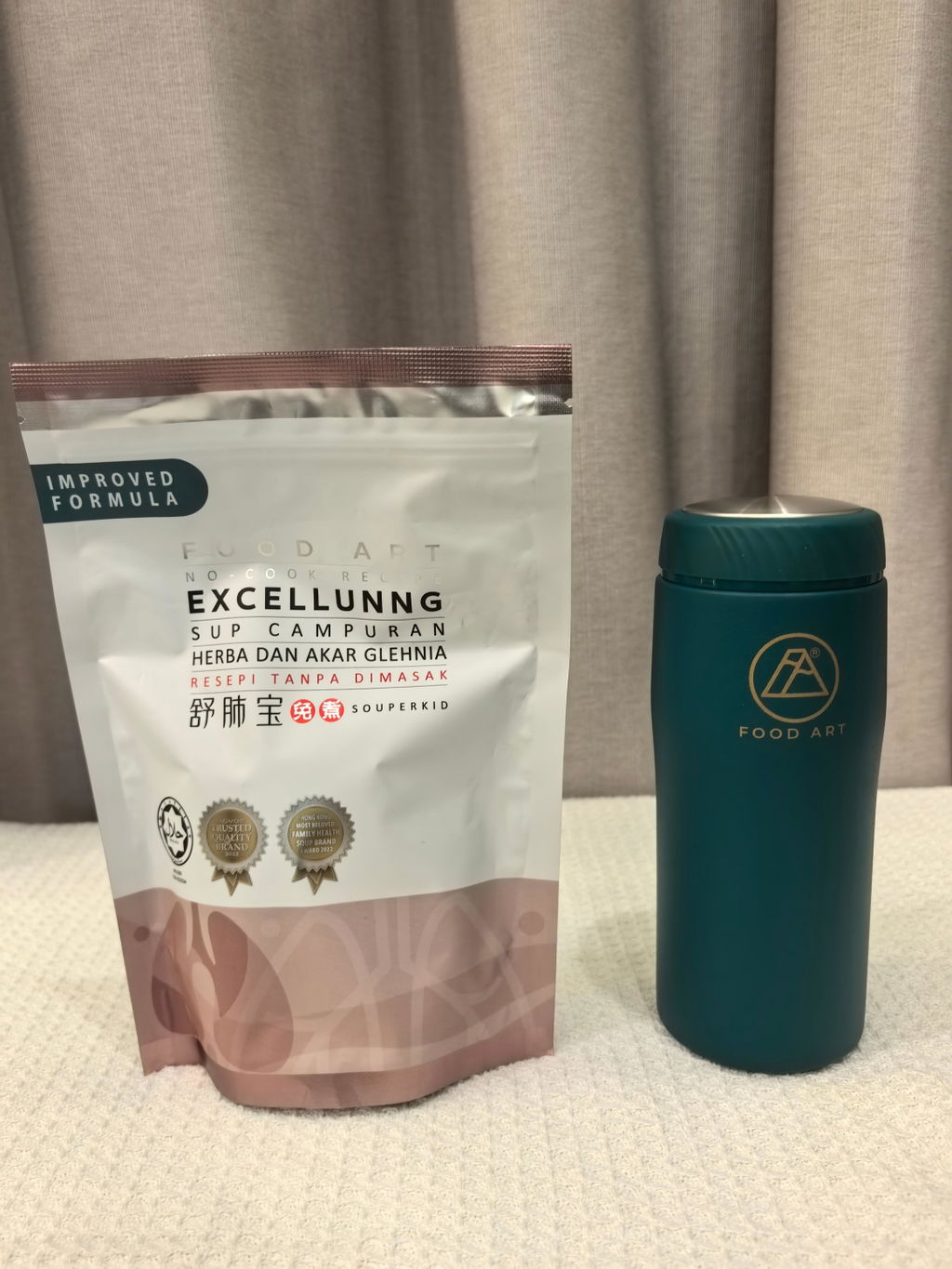
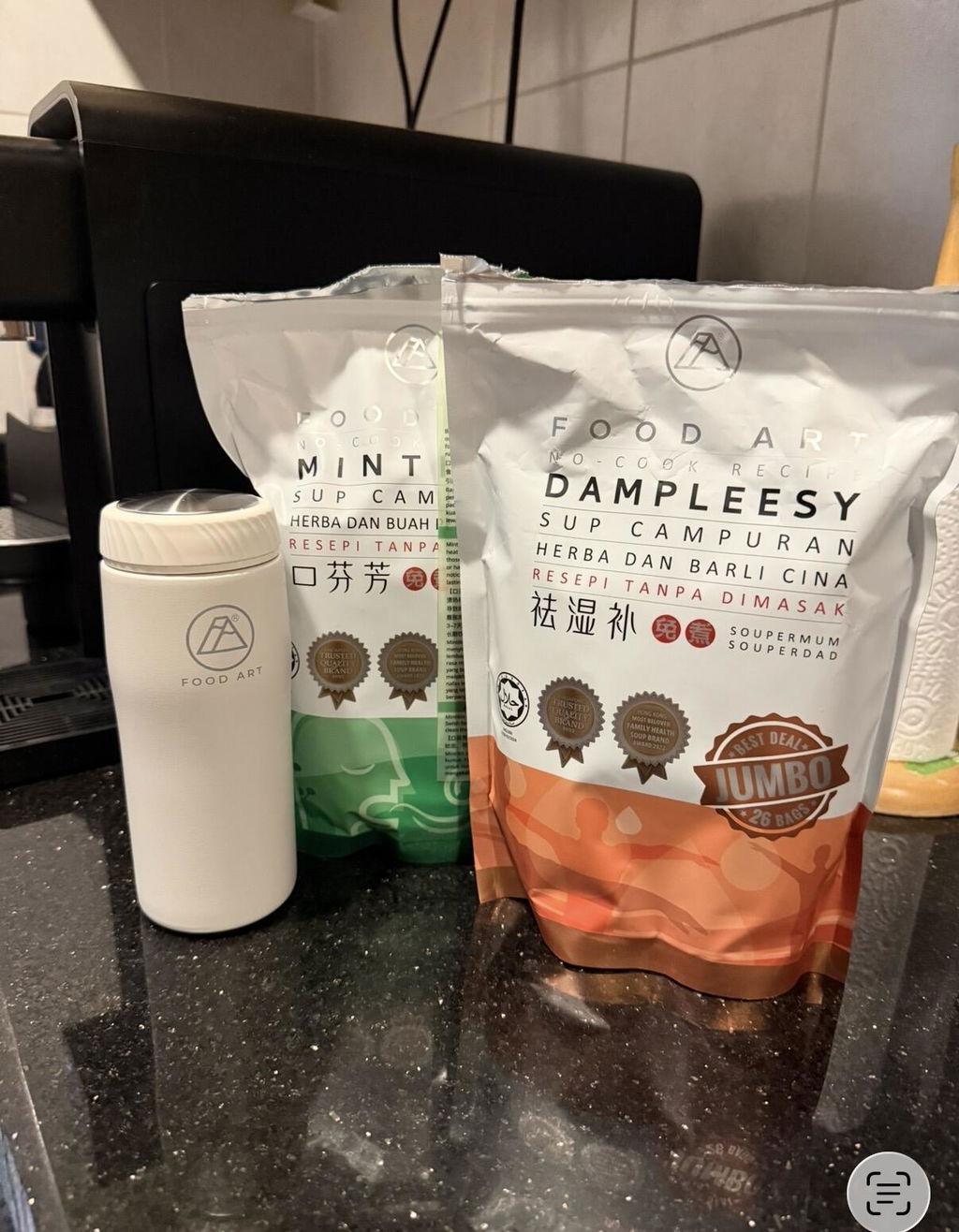
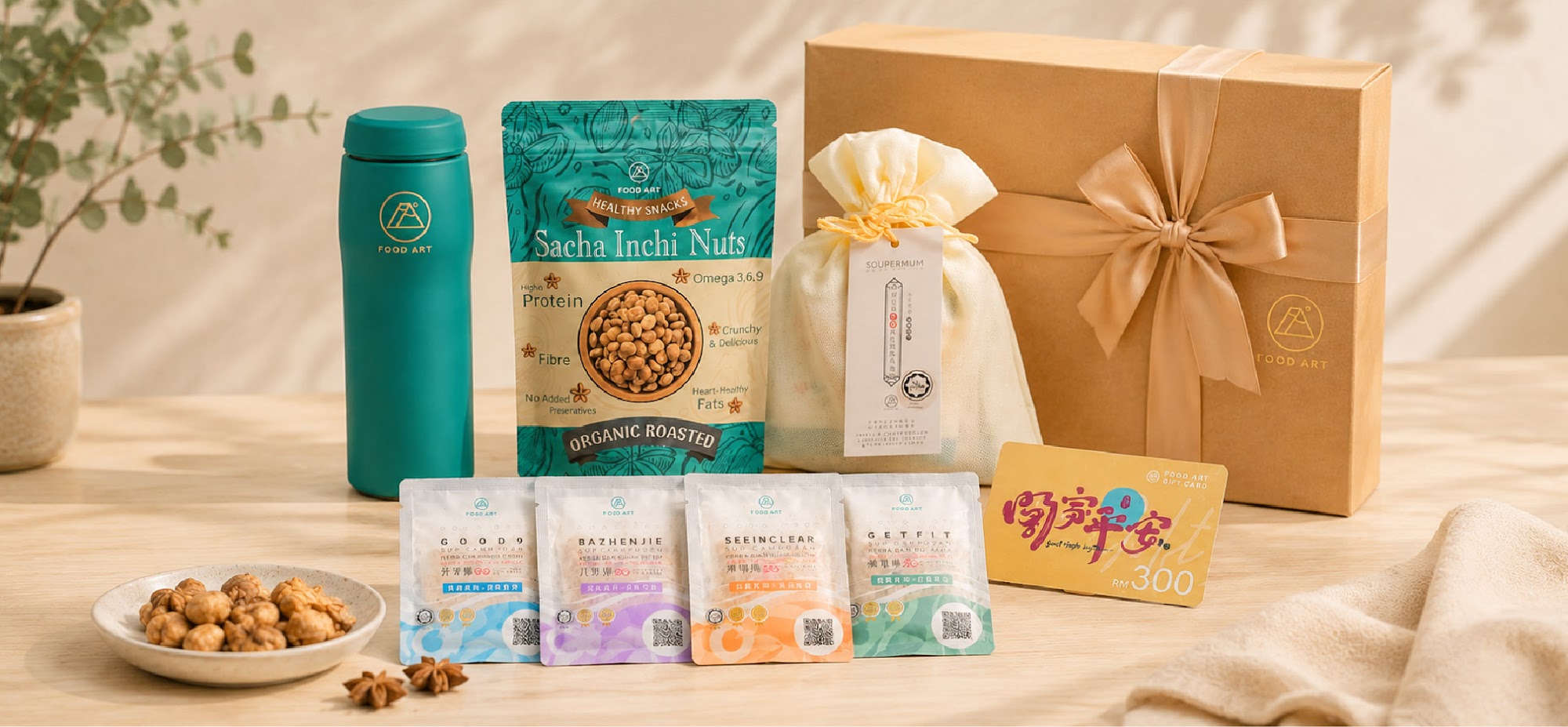
Morinda is a key ingredient in these Food Art no-cook herbal soups, thoughtfully formulated to provide its nourishing qualities in a convenient, ready-to-brew format.

The information provided on this page is for educational and informational purposes only and does not constitute medical advice. Please consult a qualified healthcare professional before using any herbal products.