




Lycopodii Herba
Clubmoss herb — an ancient fern-ally used in TCM to dispel Wind-Damp, relax the sinews, reduce swelling, and relieve painful joints and muscle contracture.

What Is Lycopodii Herba?
Lycopodii Herba (伸筋草, Shēn Jīn Cǎo), meaning 'sinew-stretching herb', is the dried aerial portion of Lycopodium japonicum, a primitive vascular plant in the clubmoss family (Lycopodiaceae) — among the oldest groups of land plants on Earth, predating the dinosaurs. In traditional Chinese medicine it is classified as a Wind-Damp-dispelling herb with a strong action on the tendons and sinews, reflected directly in its Chinese name.
Shēn Jīn Cǎo's primary therapeutic role is the treatment of bi syndrome — painful obstruction caused by Wind, Cold, and Damp lodging in the muscles, joints, and sinews. It is particularly indicated where tendon and muscle contracture, stiffness, and difficulty moving are prominent symptoms. It also shows significant promise in modern research as a source of Huperzine A, the acetylcholinesterase-inhibiting alkaloid now investigated for Alzheimer's disease treatment — derived from the related species Huperzia serrata.
History & Origin
Clubmoss plants have been used in traditional medicine across China, Japan, and indigenous cultures worldwide. Lycopodium species appear in Chinese herbal records from medieval times, primarily for their action on sinews, joints, and swelling. Their pharmacological significance increased dramatically with the discovery of Huperzine A in the 20th century.
Traditional Uses
Bi Syndrome & Joint Pain
Primary classical indication: dispels Wind, Cold, and Damp from joints, muscles, and sinews to relieve bi syndrome with predominant stiffness, pain, and restricted movement.
Sinew & Tendon Relaxation
Its name 'sinew-stretching herb' reflects its specific action on contracture: relieves muscle spasm, tendon tightness, and post-stroke limb stiffness.
Traumatic Swelling
Used in both internal decoctions and topical poultices to reduce swelling, bruising, and pain from falls, sprains, and traumatic injury.
Rheumatic & Cold-Damp Patterns
Particularly effective for bi syndrome with cold and damp predominance — where warmth relieves symptoms and cold or damp weather worsens them.
Post-Stroke Rehabilitation
Classical use in formulas for hemiplegia and limb stiffness following stroke; aimed at moving Blood stasis and relaxing the channels and collaterals.
External Washes
Decoctions used as topical soaks and washes for swollen, painful joints and skin conditions involving Wind-Damp.
Health Benefits
-
Relaxes Sinews & TendonsIts namesake action: directly targets contracture, stiffness, and restricted movement in tendons and muscles by dispelling the pathogenic factors obstructing them.
-
Dispels Wind-Cold-DampEffectively clears Wind, Cold, and Damp from the channels to relieve bi syndrome pain, making it particularly useful in cold, humid climates.
-
Neuroprotective AlkaloidsRelated Lycopodiaceae plants yield Huperzine A, a potent acetylcholinesterase inhibitor with research applications in memory and neurodegenerative conditions.
-
Trauma & Swelling ReliefUsed in TCM first aid for sprains, falls, and bruising — reduces swelling and pain both internally and as a topical application.
-
Stroke Recovery SupportClassical use in rehabilitation formulas for post-stroke stiffness and hemiplegia, supporting the restoration of limb movement through channel-unblocking action.
Soups Featuring Lycopodii Herba
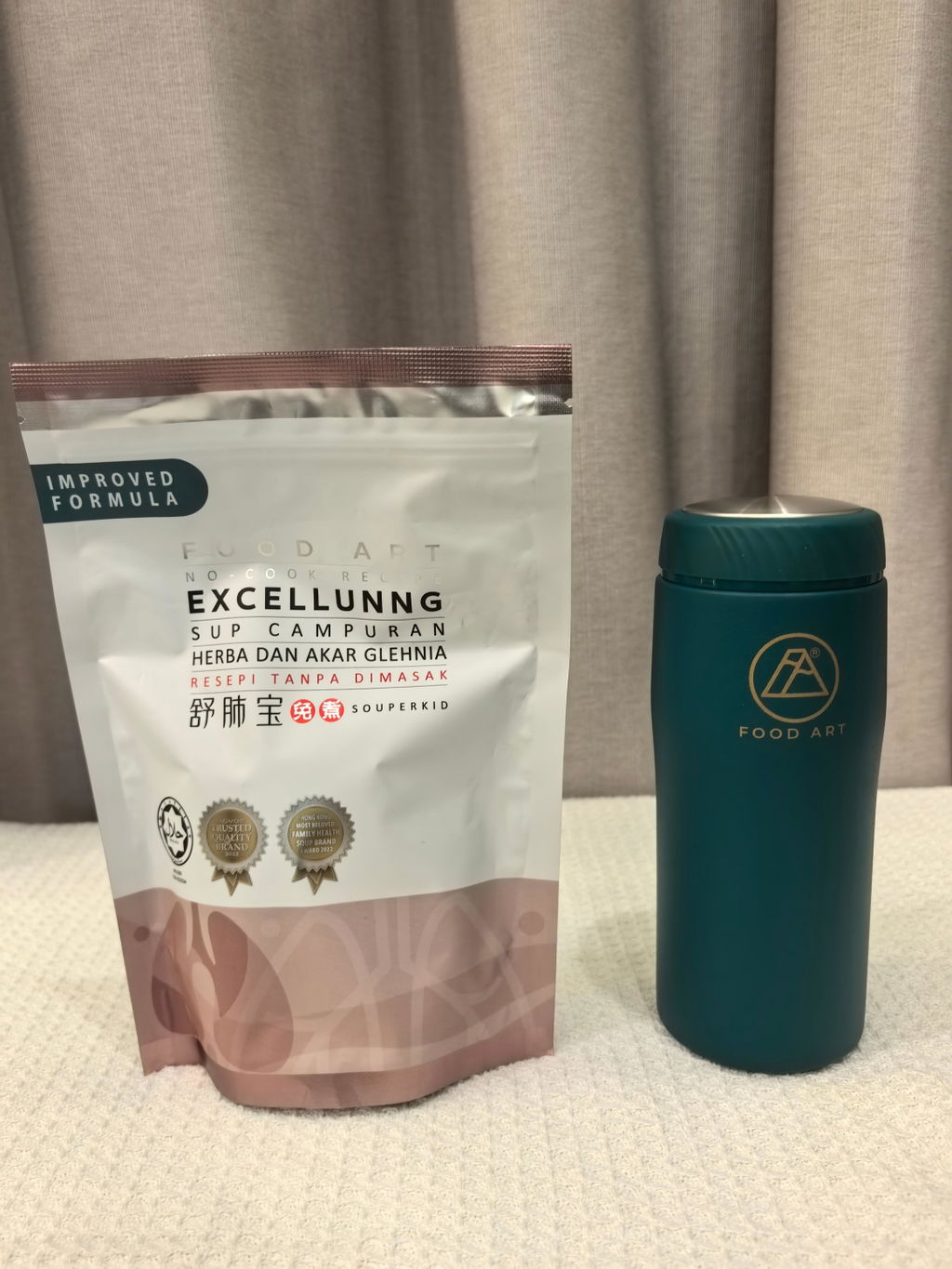
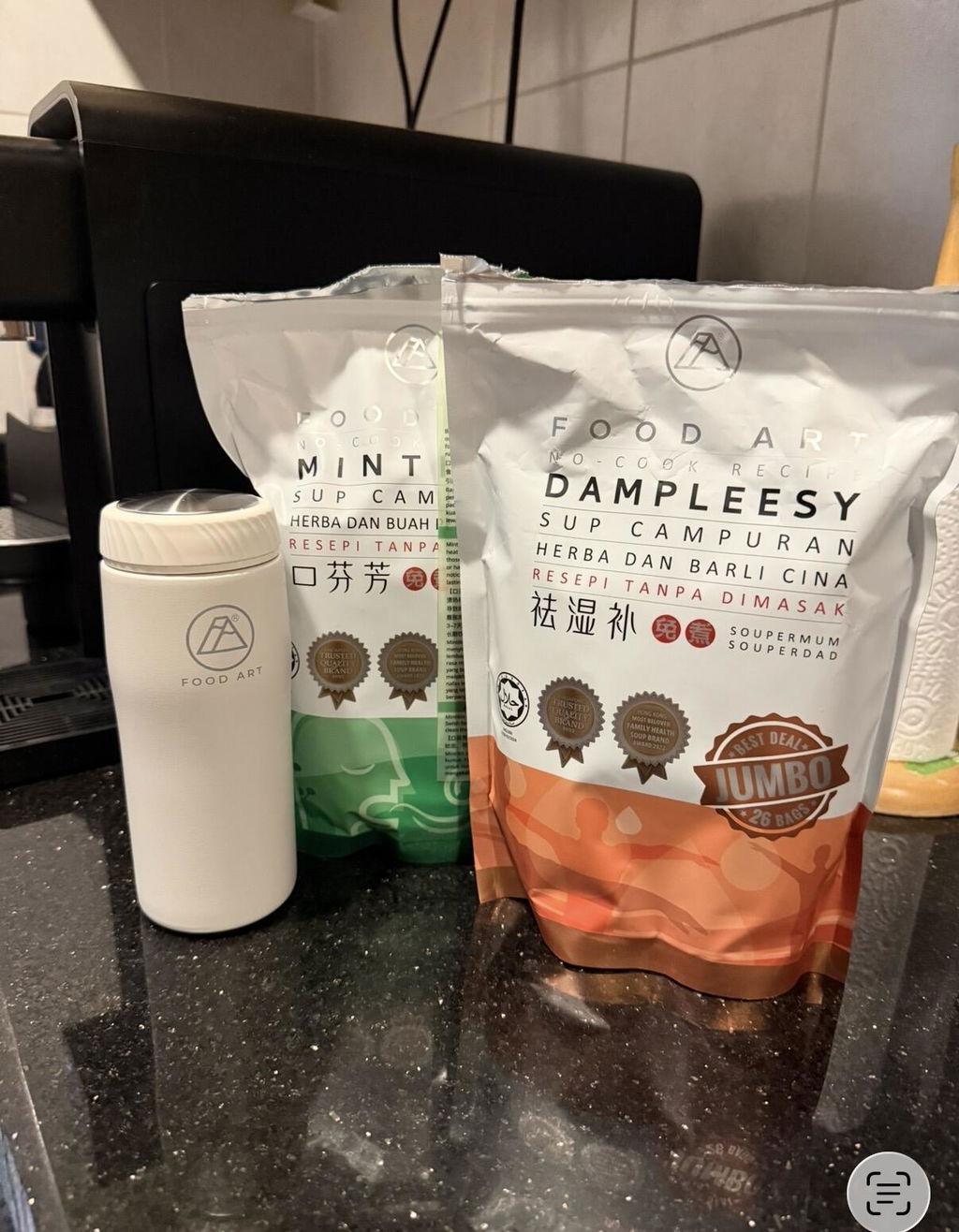
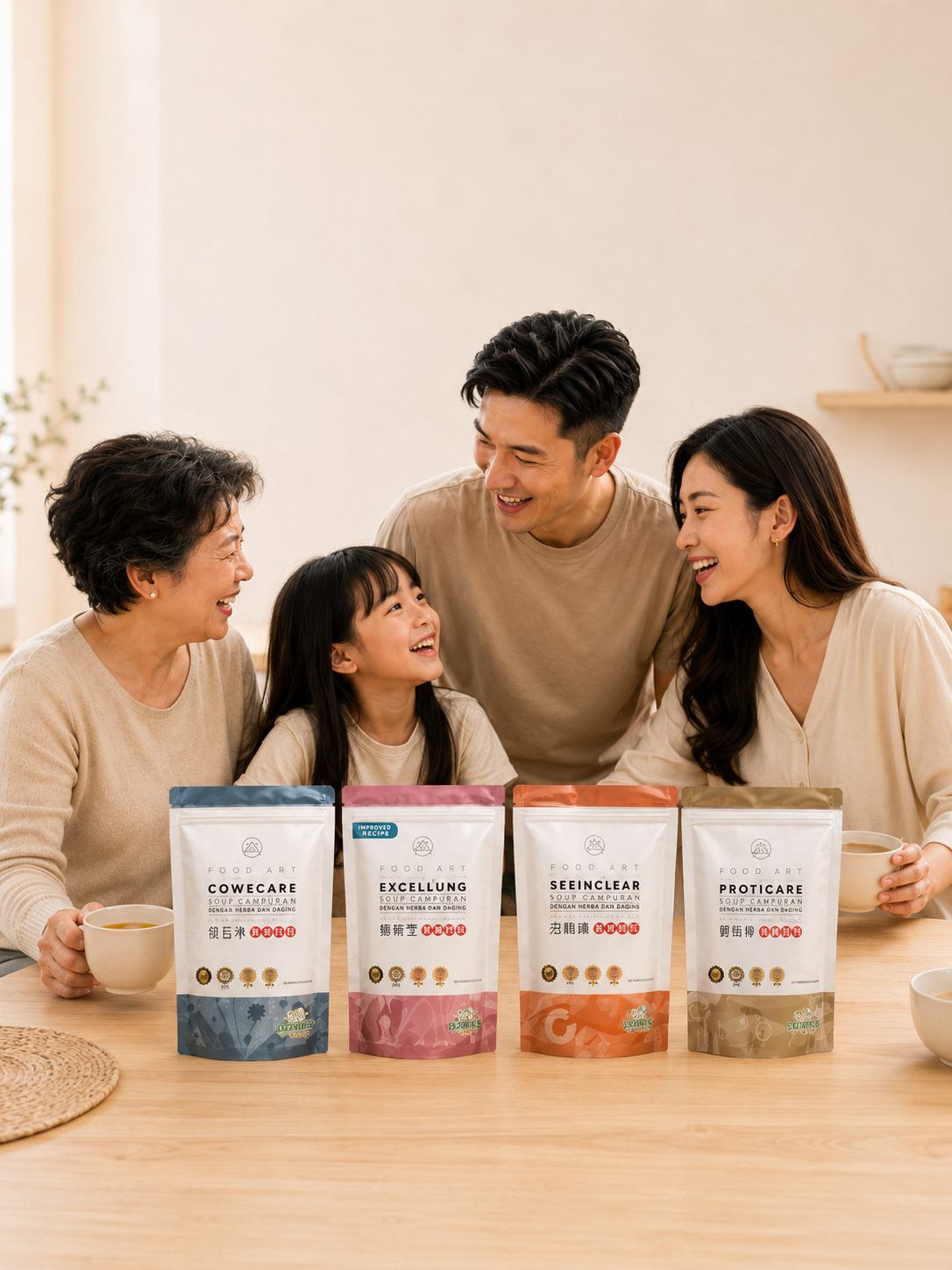
Lycopodii Herba is a key ingredient in these Food Art no-cook herbal soups, thoughtfully formulated to provide its nourishing qualities in a convenient, ready-to-brew format.

The information provided on this page is for educational and informational purposes only and does not constitute medical advice. Please consult a qualified healthcare professional before using any herbal products.