





Rhizoma Corydalis
Nature's analgesic — Yan Hu Suo moves Qi and Blood to relieve pain throughout the body with remarkable speed and breadth.

What Is Rhizoma Corydalis?
Rhizoma Corydalis (延胡索, Yán Hú Suǒ) is the processed rhizome of Corydalis yanhusuo, a delicate herbaceous plant in the poppy family (Papaveraceae) native to northern China. Its small, yellow-brown tubers contain an extraordinary array of alkaloids — most notably l-tetrahydropalmatine (l-THP) — that give it potent analgesic, sedative and antispasmodic actions. In TCM, Yan Hu Suo is classified as acrid and bitter, with a warm nature, acting on the Heart, Liver and Spleen channels.
The classical description of Yan Hu Suo states that it 'moves Qi in the Blood and moves Blood in the Qi' — meaning it addresses pain arising from both Qi stagnation and Blood stasis simultaneously. This dual mechanism makes it arguably the most broadly applicable analgesic herb in the Chinese materia medica, effective for pain in the chest, epigastrium, abdomen, hypochondrium and limbs. Modern pharmacology has confirmed that l-THP acts as a dopamine receptor antagonist and GABA receptor agonist, producing analgesia and sedation without the addictive profile of opioid alkaloids found in related Papaveraceae species.
History & Origin
Yan Hu Suo's origins in Chinese medicine trace to its introduction from Central Asia during the Tang Dynasty, and it has been a prized analgesic in both TCM and folk medicine ever since. Processing with vinegar (cu zhi) — still standard today — was established by Song Dynasty herbalists to enhance its analgesic potency.
Traditional Uses
Epigastric & Abdominal Pain
One of TCM's premier herbs for stomach and abdominal pain — addresses peptic ulcer pain, gastritis, dysmenorrhoea and intestinal cramps arising from Qi and Blood stagnation.
Chest & Cardiac Pain
Used for chest pain and angina in integrated TCM-Western protocols, improving blood flow and relieving spasm of coronary vessels.
Dysmenorrhoea & Menstrual Pain
A classical gynaecological analgesic for painful menstruation, often combined with Chuan Xiong and Dang Gui to move Blood and regulate the Chong channel.
Traumatic Injury Pain
Applied for pain from bruising, sprains and musculoskeletal trauma where Blood stasis is the underlying cause.
Headache & Hypochondriac Pain
The herb's wide channel tropism allows it to address headache, migraine and rib-side pain associated with Liver Qi stagnation and Blood stasis.
Sedation & Sleep
The l-THP alkaloid content imparts mild sedative properties, making Yan Hu Suo useful in formulas for insomnia accompanied by pain or emotional distress.
Health Benefits
-
Broad-Spectrum AnalgesicEffectively relieves pain throughout the body — from chest and abdomen to limbs and head — by simultaneously moving Qi and Blood.
-
Activates Blood & Resolves StasisAddresses the root cause of many pain conditions by dissolving Blood stasis and restoring free-flowing circulation.
-
Natural Sedativel-Tetrahydropalmatine provides mild sedation and anxiolysis without significant addictive potential, supporting sleep in pain-related insomnia.
-
Gynaecological SupportA cornerstone herb for menstrual pain and irregularity rooted in Blood stasis and Qi stagnation patterns.
-
Pharmacologically ValidatedExtensive modern research on its alkaloid constituents confirms potent analgesic, antispasmodic and cardiovascular protective mechanisms.
Soups Featuring Rhizoma Corydalis
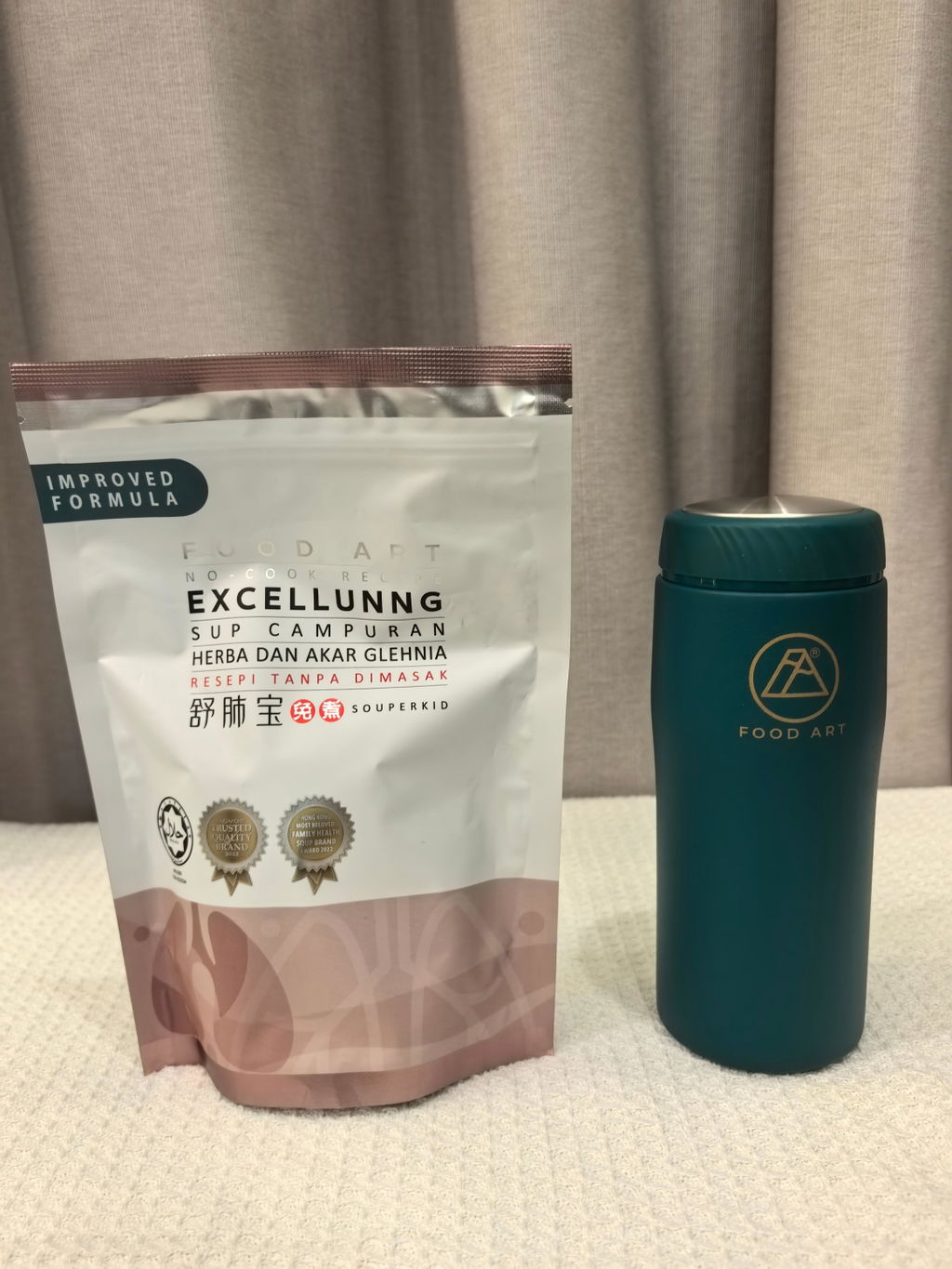
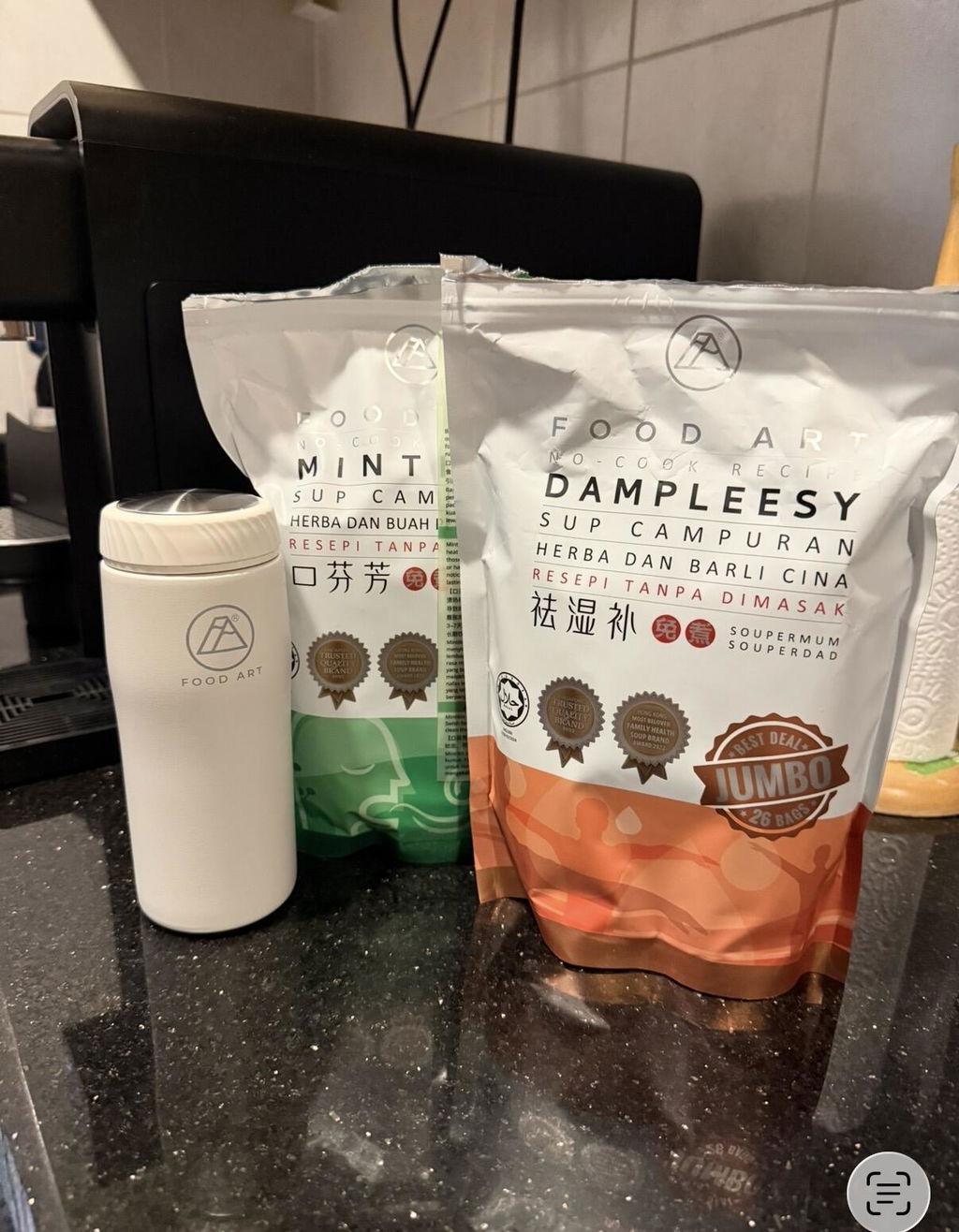
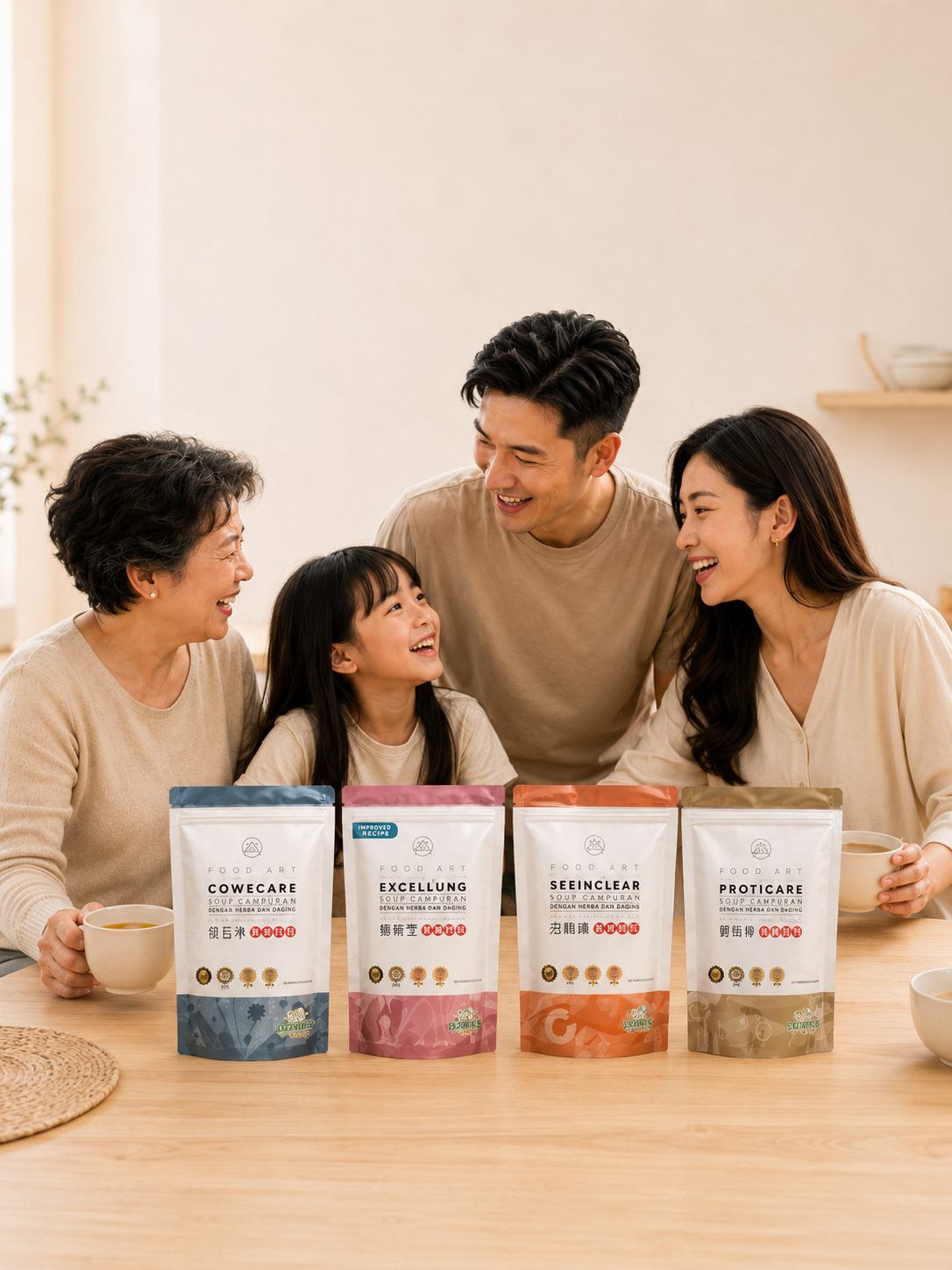
Rhizoma Corydalis is a key ingredient in these Food Art no-cook herbal soups, thoughtfully formulated to provide its nourishing qualities in a convenient, ready-to-brew format.

The information provided on this page is for educational and informational purposes only and does not constitute medical advice. Please consult a qualified healthcare professional before using any herbal products.