





Himalayan Teasel Root
The herb that "continues the broken" — Himalayan Teasel Root tonifies Liver and Kidney, strengthens sinews and bones, promotes healing of fractures and trauma, and stabilises pregnancy threatened by Kidney deficiency.

What Is Himalayan Teasel Root?
Himalayan Teasel Root (Chuan Xu Duan, 川续断) takes its very name from its most celebrated action: xu duan (续断) means "continues the broken" or "rejoins what has been severed" — a poetic description of its classical use for knitting together fractured bone, torn sinew, and damaged tissue. The root of Dipsacus asperoides, grown primarily in Sichuan and other southwestern provinces of China, this herb has been a cornerstone of orthopedic and obstetric TCM practice for over 2,000 years.
Bitter, pungent, and slightly warm in nature, Himalayan Teasel Root enters the Liver and Kidney channels. As a Liver and Kidney tonic, it strengthens the structures governed by these organs in TCM — the sinews and tendons (Liver) and the bones (Kidney). Its secondary moving quality (from its pungent nature) promotes Blood circulation in injured tissue, making it uniquely suited for musculoskeletal trauma: it both tonifies the constitutional foundation for healing and actively moves Blood to the site of injury. Its third major application — calming the fetus in threatened miscarriage — reflects its ability to strengthen Kidney Qi, which in TCM theory is responsible for holding and nourishing the developing fetus.
History & Origin
Himalayan Teasel Root has been documented in Chinese medicine since the Han Dynasty, primarily valued for its remarkable bone-healing and sinew-strengthening properties — uses now receiving scientific validation through modern osteogenic research.
Traditional Uses
Tonifies Liver & Kidney
Strengthens the Liver and Kidney — the foundational organs governing sinews and bones respectively — used for lower back pain, knee weakness, and the general decline of musculoskeletal strength from Liver-Kidney deficiency.
Strengthens Sinews & Bones
A premier herb for bone and sinew health — used both preventively (for chronic lower back and joint weakness) and therapeutically (for fractures, sprains, and traumatic injury to the musculoskeletal system).
Promotes Healing of Fractures & Trauma
The most distinctive action — promotes bone knitting and tissue repair after fracture or injury, used internally in formulas and sometimes as a topical preparation. Its name literally encodes this action.
Calms the Fetus & Prevents Miscarriage
Strengthens Kidney Qi to stabilise and nourish the fetus — used for threatened miscarriage, habitual miscarriage, and restless fetus from Kidney deficiency or Kidney-Liver deficiency with Blood insufficiency.
Relieves Lower Back & Knee Pain
One of the most commonly used herbs for lower back pain and knee weakness from Kidney deficiency — the "straight-to-the-target" herb for musculoskeletal Kidney deficiency pain.
Invigorates Blood in Trauma
Its pungent, moving secondary action promotes Blood flow to injured areas, reducing swelling, bruising, and pain from traumatic injury while simultaneously building the Kidney-Liver foundation for repair.
Health Benefits
-
Bone Healing & StrengthPremier fracture-healing herb — akebiasaponin D studied for osteogenic properties supporting bone repair and density.
-
Sinew & Joint SupportStrengthens tendons, ligaments, and joints through Liver tonification — ideal for musculoskeletal rehabilitation.
-
Pregnancy StabilisationA classical obstetric herb — strengthens Kidney Qi to stabilise threatened pregnancy and support fetal nourishment.
-
Liver & Kidney TonificationFortifies the two organs governing musculoskeletal integrity and reproductive health in Chinese medicine.
-
Anti-inflammatoryIridoid saponins confirmed for anti-inflammatory and analgesic properties supporting pain relief in musculoskeletal conditions.
Soups Featuring Himalayan Teasel Root
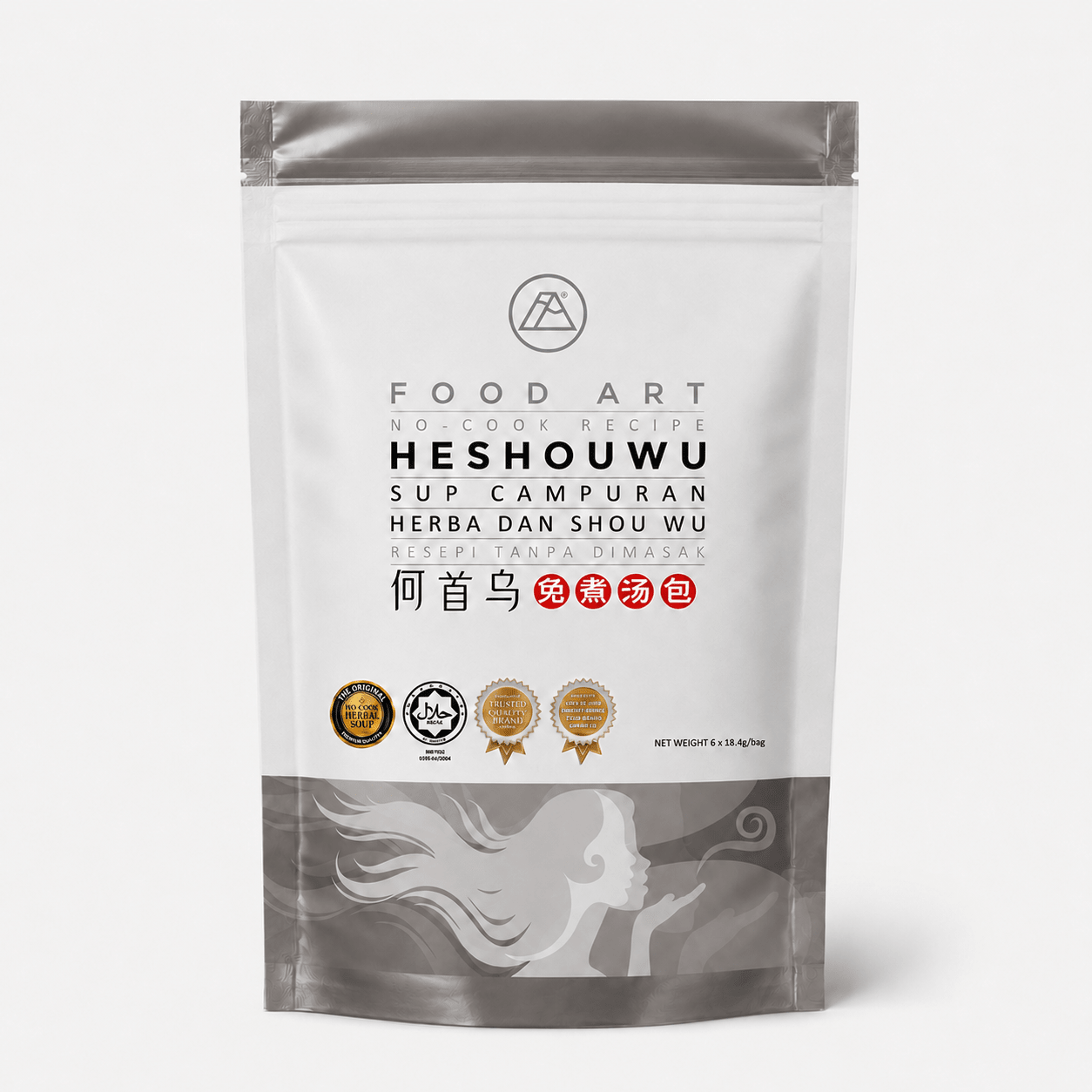
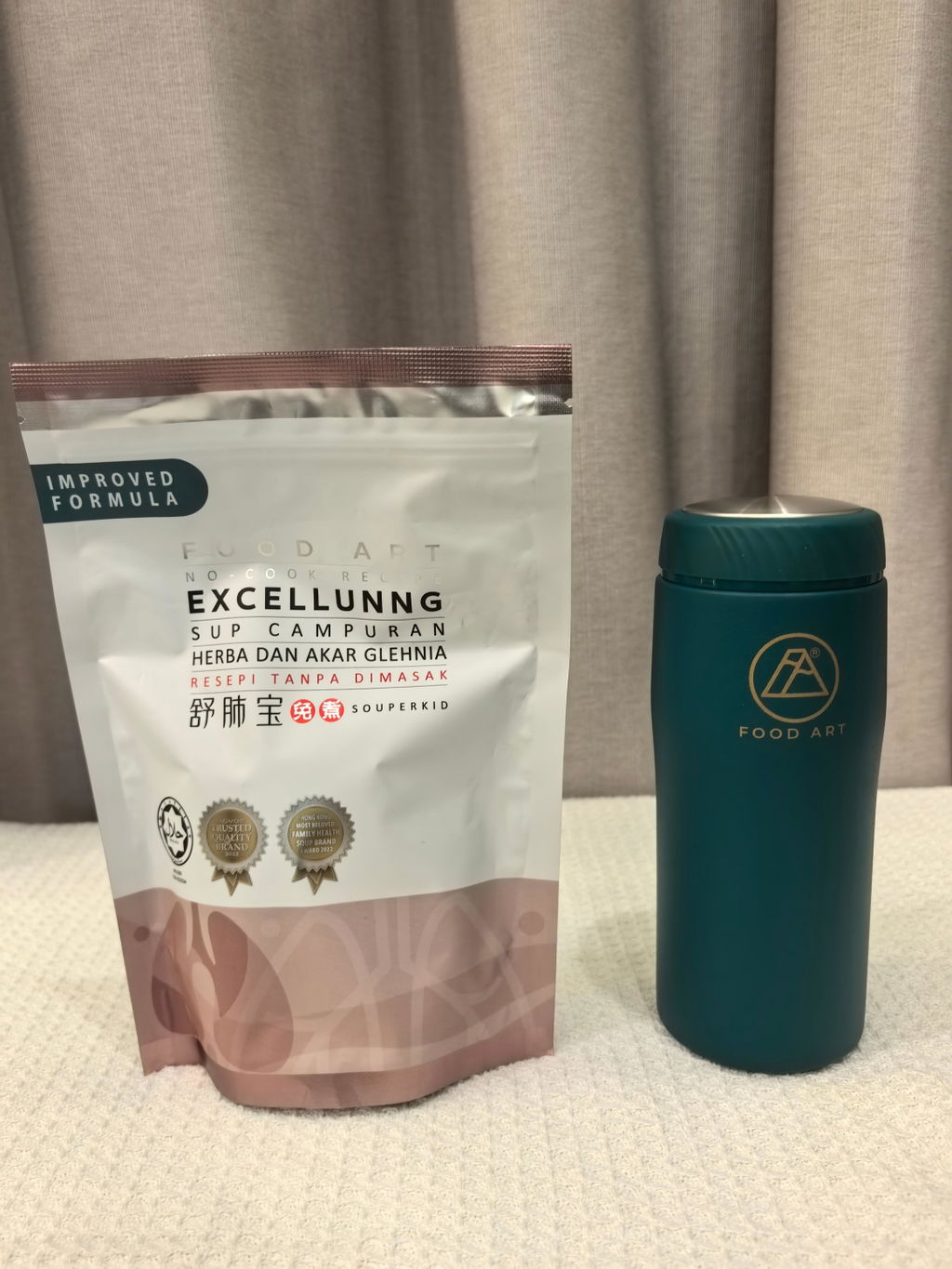
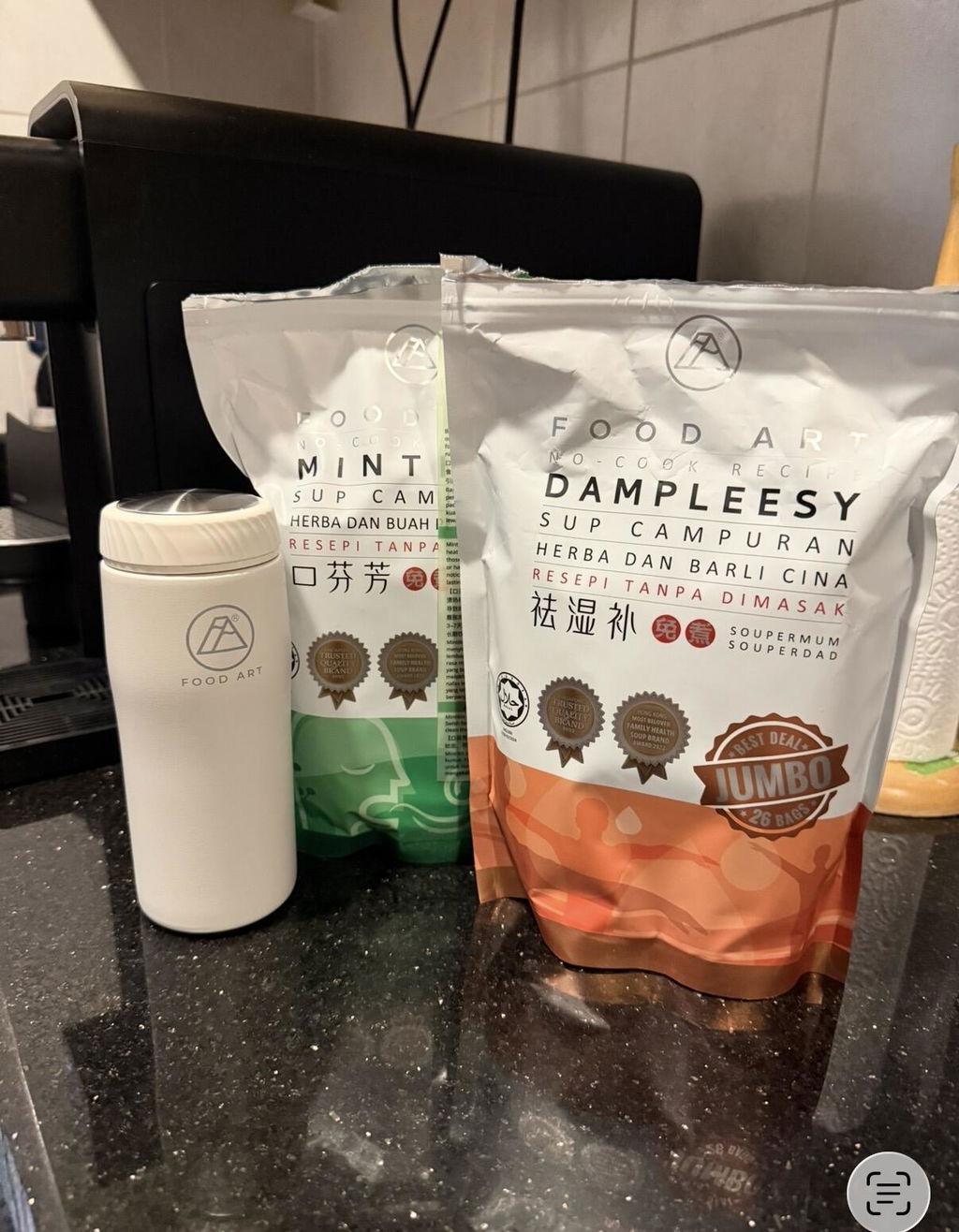
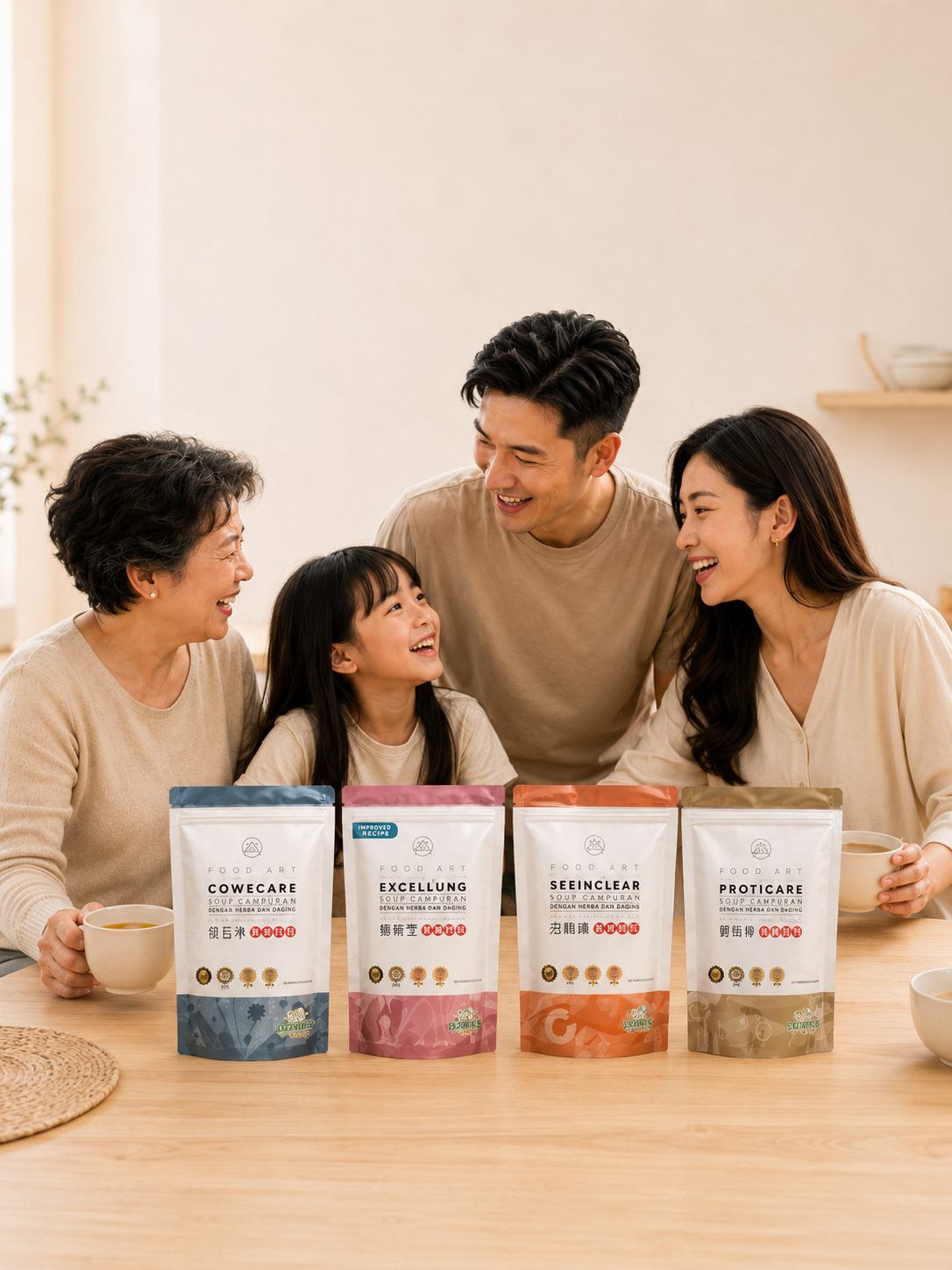
Himalayan Teasel Root is a key ingredient in these Food Art no-cook herbal soups, thoughtfully formulated to provide its nourishing qualities in a convenient, ready-to-brew format.

The information provided on this page is for educational and informational purposes only and does not constitute medical advice. Please consult a qualified healthcare professional before using any herbal products.