




Peanut Root
The hidden tonic beneath every harvest — Peanut Root calms the Liver, nourishes Blood, quiets the mind, and supports restful sleep with gentle, sustained warmth.

What Is Peanut Root?
Peanut Root (花生根, Huā Shēng Gēn) is the dried root of Arachis hypogaea — the actual underground root system of the peanut plant, harvested after the pods are collected. While the peanut kernel and its red seed coat each have their own distinct medicinal roles, the root is a separate medicinal material prized in Cantonese folk medicine and TCM for its calming, blood-nourishing properties. The dried root is used in herbal soups and decoctions as a gentle tonic for the Heart, Liver, and Spleen.
In Traditional Chinese Medicine, Peanut Root enters the Liver, Lung, and Spleen meridians. Its primary actions are to calm Liver Yang, nourish Blood, and settle the Shen (spirit) to promote restful sleep. It is commonly used for patterns of Liver Yang rising with Blood deficiency — manifesting as insomnia, restlessness, mild hypertension, and nervous tension. Its gentle, neutral nature makes it well-suited for everyday soup use and suitable for all ages including children.
History & Origin
Peanuts were introduced to China from the Americas in the sixteenth century, and the whole plant — including roots — was gradually absorbed into Cantonese and southern Chinese folk medicine. The root, harvested when peanuts are dug from the ground, became valued for its calming and blood-nourishing properties, distinct from those of the kernel or seed coat.
Traditional Uses
Calming Liver Yang & Blood Pressure
Addresses Liver Yang rising patterns — including headache, irritability, flushing, and mild hypertension — through its gentle downward-directing, Liver-settling action.
Nourishing Blood
Supports Blood enrichment and production, making it useful for Blood deficiency patterns including pallor, dizziness, fatigue, and poor complexion.
Promoting Sleep & Calming the Shen
Settles the spirit and quiets restlessness arising from Liver-Heart disharmony, supporting the natural transition to deep, restorative sleep.
Relieving Cough
Supports Lung Qi and gently eases mild chronic or dry cough through its moist, soothing action on the Lung meridian.
Everyday Family Tonic Soup Use
Gentle and neutral enough for regular daily use across all ages; commonly added to Cantonese nourishing soups for sustained calm and wellbeing.
Health Benefits
-
Calms Liver YangSoothes rising energy patterns linked to stress, irritability, and mild hypertension through gentle Liver-settling, downward-directing action.
-
Nourishes BloodEnriches Blood to address deficiency fatigue, pallor, and dizziness with sustained, gentle tonic support.
-
Promotes Restful SleepSettles the Shen and calms the Heart-Liver axis for deeper, more natural, restorative sleep without sedating side effects.
-
Supports Lung QiGently eases mild chronic cough and supports healthy respiratory function through its moistening action on the Lung meridian.
-
Safe for All AgesDerived from a common food plant, gentle and neutral in nature, suitable for regular family use including children’s tonic soups.
Soups Featuring Peanut Root
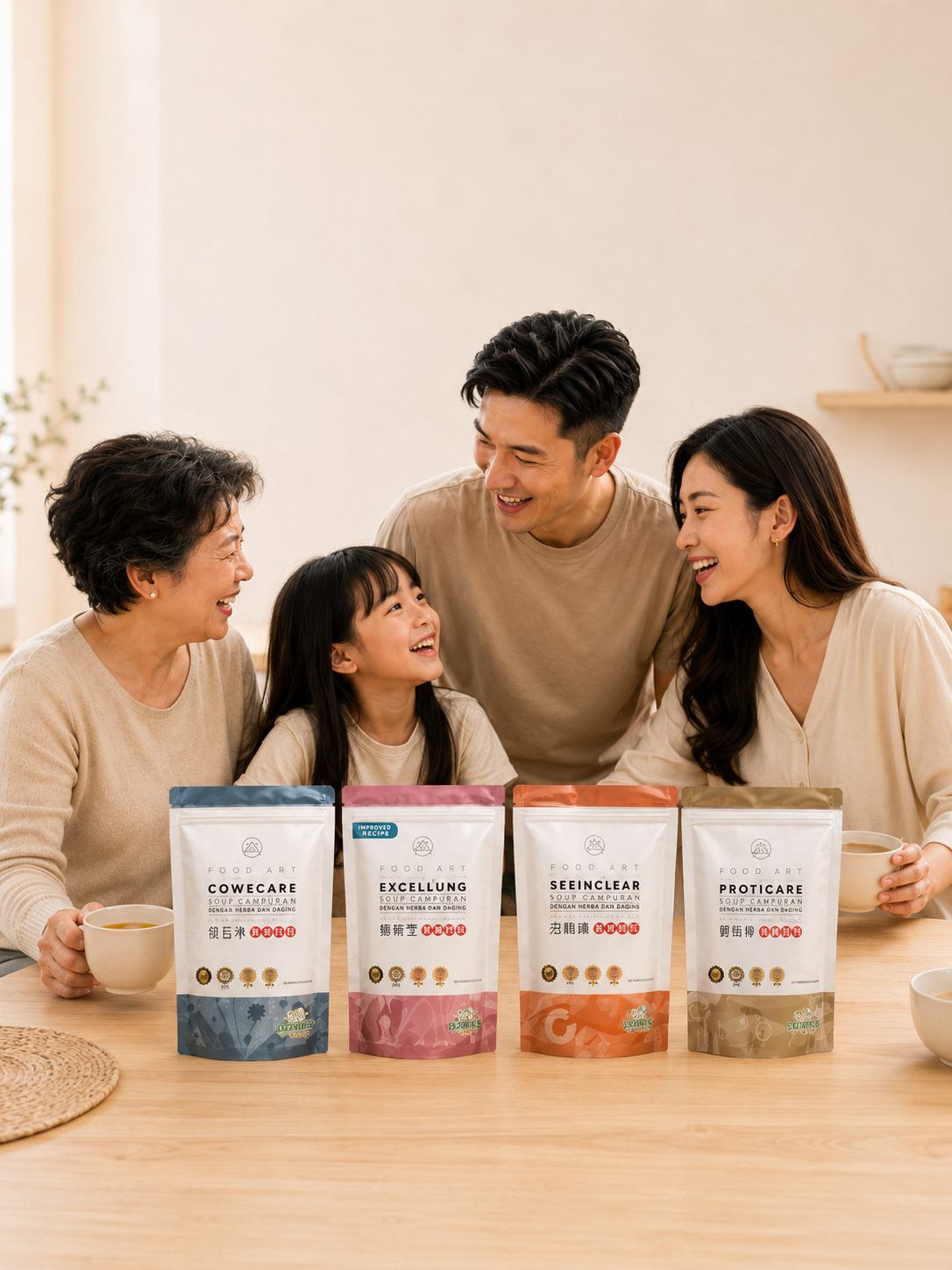
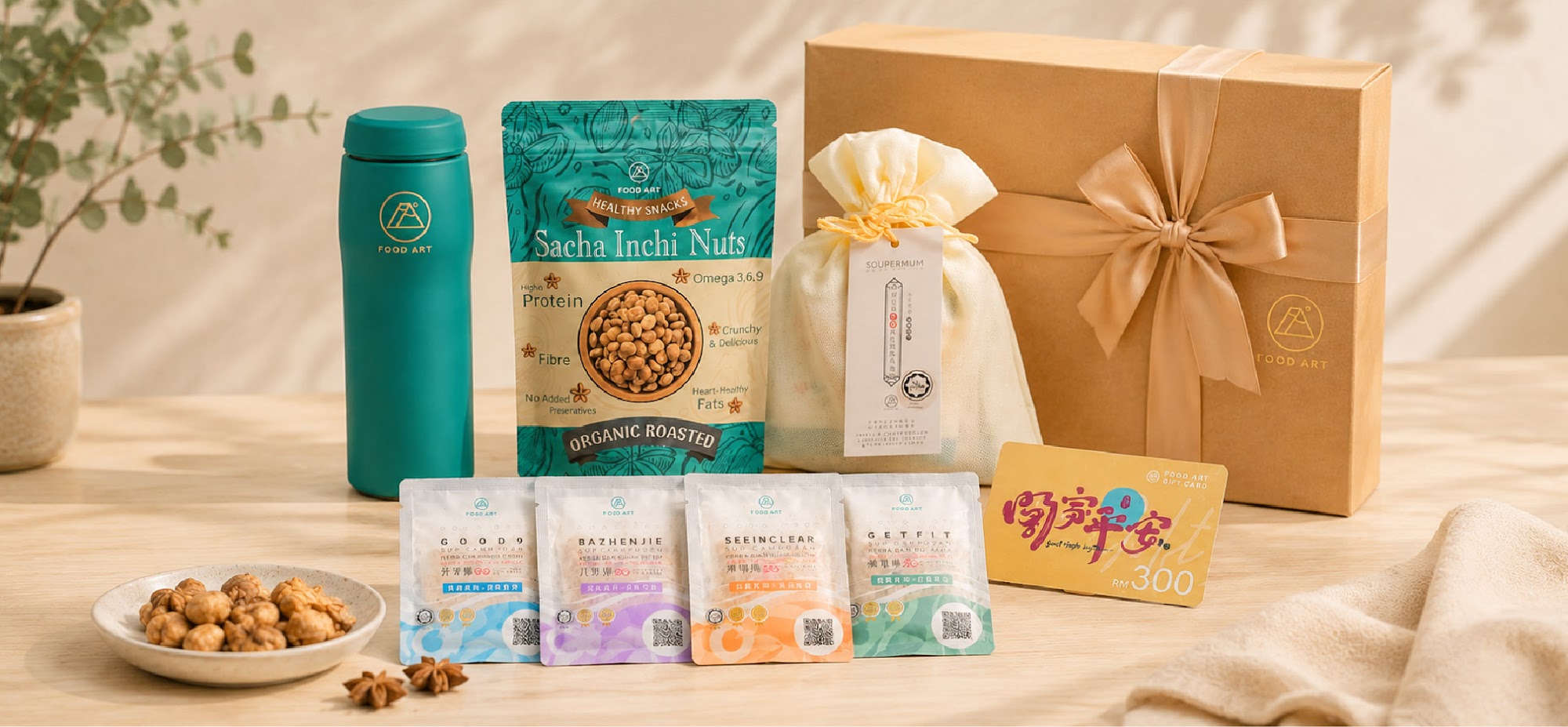
Peanut Root is a key ingredient in these Food Art no-cook herbal soups, thoughtfully formulated to provide its nourishing qualities in a convenient, ready-to-brew format.

The information provided on this page is for educational and informational purposes only and does not constitute medical advice. Please consult a qualified healthcare professional before using any herbal products.